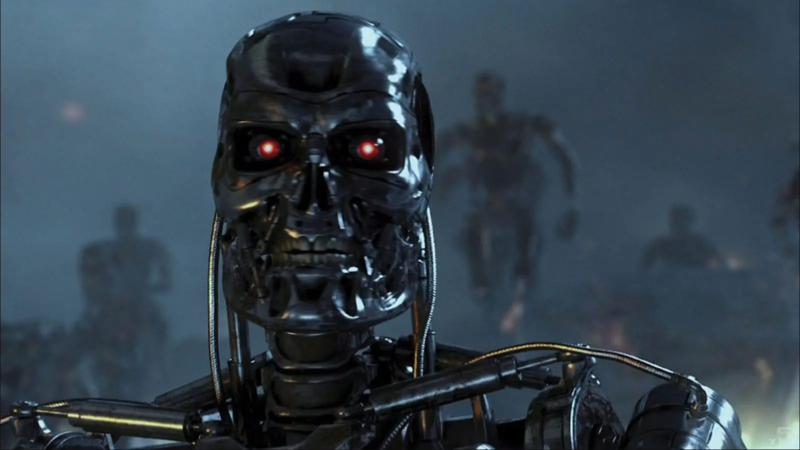
It's easy enough to find warnings that artificial intelligence (A.I.) will eventually, perhaps soon, be a threat to humankind. Those warnings have loomed in science fiction sagas for decades, from the murderous HAL 9000 of 2001: A Space Odyssey to the obliterating robots of the Terminator and Matrix movies. These are modern-day Frankenstein stories, in which man's hubris becomes humanity's downfall as intelligent creations take on a life of their own and come back to kill their makers.
Now, as we enter a new age of readily available consumer A.I. thanks to large language model (LLM) chatbots like ChatGPT, similar warnings have entered popular discourse. You can find those warnings on op-ed pages and in reports about worried lawmakers and policy makers, who, according to a recent New York Times article, are struggling to understand the technology even as they seek to regulate it. Indeed, part of the fear about A.I. is that, unlike, say, a search engine, its inner workings are somewhat mysterious, even to its creators.