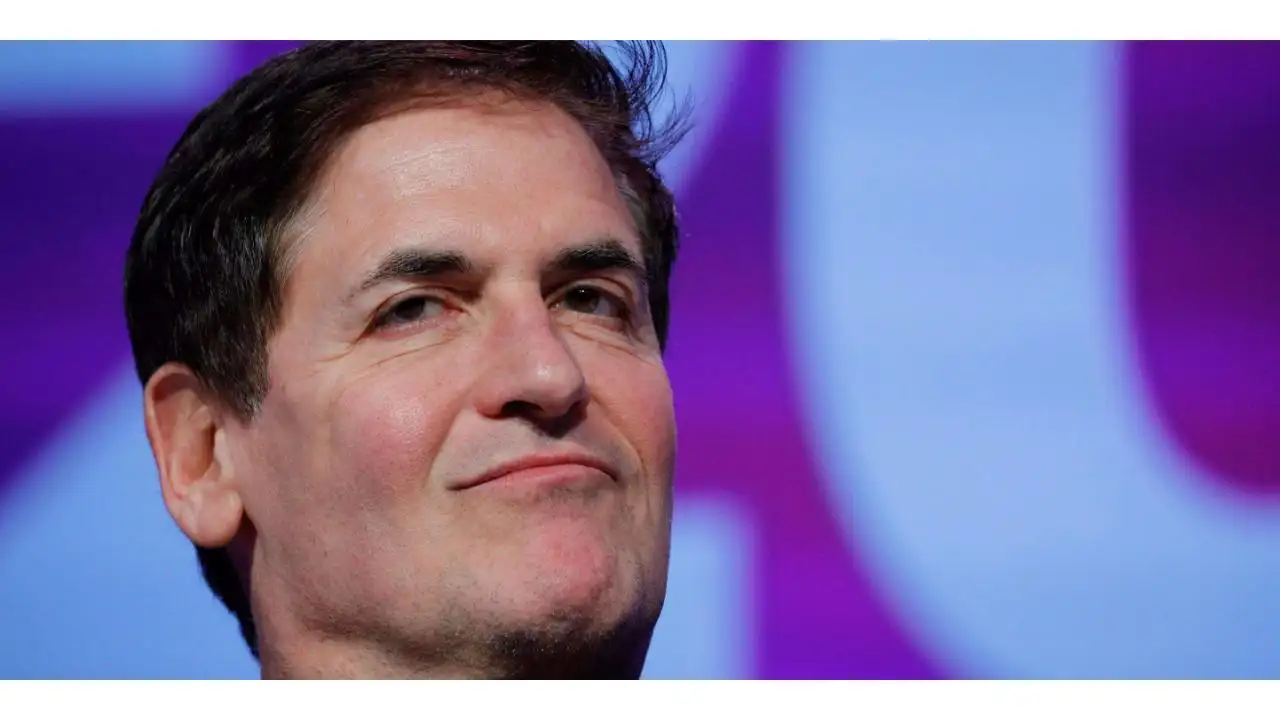
A heart transplant survivor’s struggle to get affordable access to a critical anti-rejection medication has drawn attention online. The incident also prompted billionaire entrepreneur Mark Cuban to step in after her insurance coverage became too expensive to cover.

Heart transplant survivor faced a steep drug bill
Payton Herres, 26, underwent a heart transplant when she was a preteen. About a year after the surgery, she began taking everolimus, a generic version of Novartis’ anti-rejection drug Zortress, off-label.
Herres had been paying about $180 for a 90-day supply of the medication. But last year, her insurance provider, Elevance Health, told her it would no longer cover the drug.
With few options left, Herres shared her experience on Facebook. “I didn't know what else to do,” she told MarketWatch.
Her post was shared thousands of times. A day after she posted about her situation, her insurance coverage was restored. However, the price she was required to pay had changed dramatically.
Instead of $180 for a 90-day supply, Herres was faced with a $1,000 bill. “I call that ghost approval. Technically, you approved it,” Herres told MarketWatch. “But I still can't realistically get the med because you [made] it financially impossible to get.”
Her story went viral again
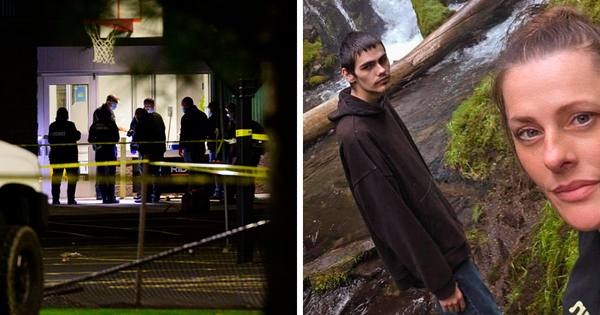
Herres’ situation gained renewed attention after The Independent published a story about Mary Cutter, whose 24-year-old son died in 2012. Cutter’s son was an organ donor, and his heart was ultimately transplanted into Herres.
After learning about Herres’ struggle to afford the medication, Cutter offered to pay for the drug so that Herres could continue taking it.
The story was subsequently shared on social media, where Warris Bokhari, CEO and co-founder of Claimable, and billionaire entrepreneur Mark Cuban were tagged.
Cuban reacted strongly to Herres’ situation on LinkedIn. “This is beyond incredible,” Cuban wrote. He added: “Approve and pay for the heart transplant. Deny the generic rejection medicine.”
Mark Cuban’s pharmacy helped lower the cost
Cuban’s pharmacy eventually stepped in to supply Herres with the medication. She is now able to obtain the drug for about $300 for a 90-day supply, according to the report. A nonprofit connected with Bokhari’s startup is covering the costs.
The intervention means Herres will no longer have to pay $1,000 price that followed the restoration of her insurance coverage.
Health insurance denials are affecting more Americans
Herres’ experience comes as patients across the United States continue to report difficulties getting medical care and prescription medicines covered by insurance.
A recent IQVIA study found that 70% of commercially insured patients were initially denied coverage for at least one newly prescribed branded medicine in 2024. Nearly one in four patients were still unable to obtain approval for any new prescriptions after a year.
Insurance disputes are not limited to prescription drugs.
A Commonwealth Fund survey found that 21% of working-age adults with private insurance said they or a family member had experienced a denial for medical care recommended by a doctor. Among those who experienced a denial, nearly 70% said the denial resulted in additional costs for their household.