When it comes to feeding a newborn, breast pumps can play an important role in offering you flexibility. But with different types of breast pumps available, it’s not always obvious which option will best suit your routine
Choosing between a manual and electric breast pump can feel overwhelming, especially with so many models promising different features. Both types are designed to help express breast milk, but they work in very different ways and suit different needs depending on how often you’re pumping and what level of convenience you’re looking for.

To help make the decision clearer, I spoke to the experts to find out the key differences between manual and electric breast pumps, and which option is likely to come out on top for most parents.
Read more: Best baby monitors 2026 for safer sleep and easier nights
What is the best kind of breast pump?
“The type of pump that's best is going to be individual to you, depending on your goals, your lifestyle, and what you value most in a pump,” Sharon Berger, an International Board certified lactation consultant and obstetric nurse says. But, for most people, she recommends a double electric pump, for both convenience and efficiency. She also recommends keeping a manual pump on hand for emergencies, like if your pump stops working or you left an important part of it at home.
“Electric breast pumps, especially double electric models, tend to be more appropriate for frequent use, such as when returning to work or when there is a need to establish or maintain milk supply,” adds Marlène Barthelme, founder and editor of family health and wellness website Famtastique.
But it really comes down to personal preference. “Overall, the research doesn’t point to a single ‘best’ breast pump. What tends to matter more is how often it’s used, how comfortable it feels, and how each person responds physiologically,” says Barthelme.
What is the difference between manual and electric breast pumps?
Manual and electric breast pumps both help express and collect breast milk, but they differ mainly in how they’re powered and how much effort they require. A manual breast pump is hand-operated, using a lever or handle to create suction. It’s usually lightweight, quiet and easy to transport, but can take more time and effort, so it’s better for more occasional use.
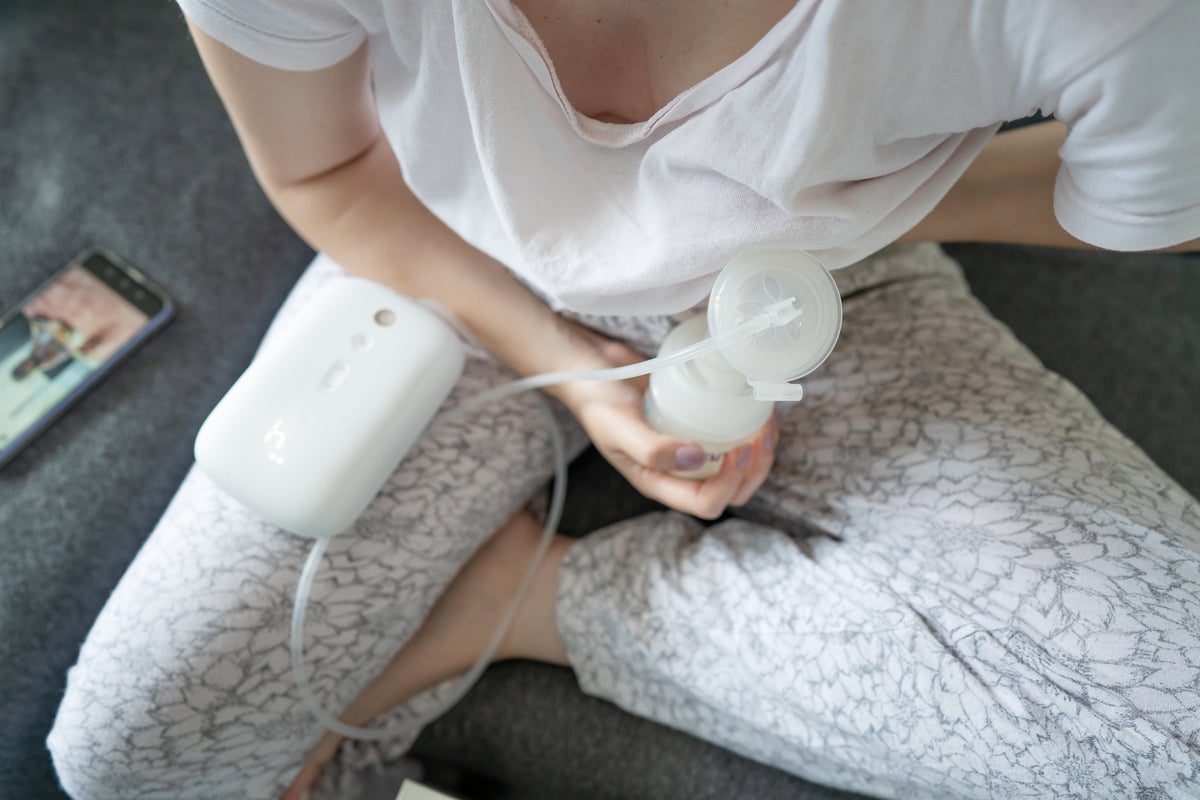
Electric breast pumps on the other hand use a motor to do the work for you, often with adjustable settings and faster expression. So, if you pump daily, this is a more efficient choice. However, they are typically bulkier and dependent on charging or a power source.
Best breast pumps
Lola&Lykke smart electric breast pump
Rating: 4.5/5
Dishwasher-safe: No
Hands-free: No
Why we love it
- Super comfortable
- Easy to set up
- Quiet
Take note
- Heavier than some other options
“Convenience is also where this pump soars,” wrote Rebecca Moore in her round-up of the best breast pumps. “Not only are you pumping directly into a bottle, you can also express into Lola&Lykke milk bags, which don’t feature on many electric breast pumps. I only tested this pump with the bottle provided, but many other baby bottles would also fit.”
Buy now £145, Lolalykke.com
Medela harmony flex manual breast pump
Rating: 4/5
Dishwasher-safe: No
Hands-free: No
Why we love it
- Super lightweight
- Comfortable
Take note
- Bottle doesn’t come with teat
- Trickier to clean than some other options
“While the market is flooded with electric models, I believe there is still a place for manual breast pumps, and this example from Medela is the best I’ve found,” Moore said. “While the significant reduction in price is appealing, there’s also lots to love about a manual option, including eradicating any battery fear.
She added that the pump is lightweight and, with fewer parts, it’s easy to pop this in your changing bag, or take away on holiday. “I was impressed that, while this is a much simpler pump, it still boasts Medela’s two-phase expression technology,” she wrote.
Buy now £21.25, Medela.co.uk
Meet the experts
- Sharon Berger: International Board Certified Lactation Consultant, and obstetric RN
- Marlène Barthelme: Founder and editor of Famtastique
Looking for a new stroller? These are the best lightweight options after two months of testing