
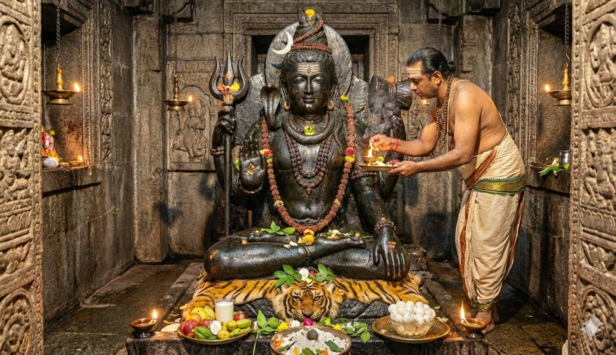
For Lord Shiva devotees, Maha Shivaratri offers the best opportunity to express their reverence and love towards the God. This is the day in which Lord Shiva and Parvathy Devi got married. Therefore, the spiritual significance of this auspicious day is second to no other religious day of the Hindu spiritual calendar. Spiritual leaders point out that this day falls on the Chaturdashi Tithi or fourteenth night of Krishna Paksha or dark fortnight in Phalguna month. In this article, we will learn about the important dates, timings, spiritual significance, puja Vidhi and every important detail that you need to know about Maha Shivaratri.
Date and Timings of Maha Shivaratri 2026
Maha Shivaratri will be celebrated on 15th February 2026.
Chaturdashi Tithi Begins - February 15, 2026 - 05:04 PM
Chaturdashi Tithi Ends - February 16, 2026 - 05:34 PM
Ratri First Prahar Puja Time - February 15, 2026 - 06:11 PM to 09:23 PM
Ratri Second Prahar Puja Time - February 16, 2026 - 09:23 PM to 12:35 AM
Ratri Third Prahar Puja Time - February 16, 2026 - 12:35 AM to03:47 AM
Ratri Fourth Prahar Puja Time - February 16, 2026 - 03:47 AM to 06:59 AM
Nishita Kaal Puja Time - February 16, 2026 - 12:09 AM to 01:01 AM
Shivaratri Parana Time - February 16, 2026 - 06:59 AM to 03:24 PM
Spiritual Significance of Maha Shivaratri 2026
On Maha Shivaratri Lord Shiva and Goddess Parvati will be worshipped. Additionally, this “Great Night of Shiva” represents the time in which the Lord became perfectly still through profound inner silence and meditation. Therefore, this night is an excellent opportunity for devotees to attain spiritual awakening through meditation. People also engage in jagarana. It is an all-night vigil and prayers that symbolises the overcoming of ignorance and darkness. Lord Shiva is believed to be one of the most compassionate Gods. So, if you engage in the rituals with right intention and deep devotion, all your wishes can come true.
Religious Importance of Maha Shivaratri 2026
Most importantly, Maha Shivaratri is the day that marks the union of Lord Shiva and Parvati Devi. Furthermore, traditional faith tells us that the Lord consumed poison on this day to avoid the destruction of the world. During Samudra Manthan or churning of the ocean, the deadly poison of Kalakuta emerged. However, Bhagwan consumed this poison, thereby destroying darkness and ignorance from the universe. Thus, devotees offer a number of pujas and engage in various spiritual activities that are dedicated to Lord Shiva. We can visit Lord Shiva temples where large religious gatherings and abhishekams will take place.
Puja Vidhi for Maha Shivaratri 2026
We should wake up during Brahma Muhurta on this divine day. First thing in the morning, we have to clean our home and puja mandir. Beginning the day with a holy bath is highly recommended.
Wear a traditional and clean attire. Then, we can take a Sankalp that we will not break the fast till parana time.
Performing Jalabhishekam to Shivaling at a temple that is dedicated to Lord Shiva is considered as highly auspicious on this day. Rudrabhishekam is also carried out by a number of devotees on this day.
We can light a diyas using pure ghee. Lighted sticks of incense and other sacred items must be offered to the Lord. Shringar materials and Gathbandhan should be offered to Parvati Devi.
Abhishekam can be performed at homes as well. Many devotees do this by creating Shivalingam using clay.
Recite mantras dedicated to Lord Shiva to attain the Lord’s blessings. Then, we can conclude the puja by chanting the Aarti.
Explore the latest trends and tips in Health & Fitness, Spiritual, Travel, Life Hacks, Trending, Fashion & Beauty, and Relationships at Times Life!
Frequently Asked Questions (FAQs)
-
What to do in Nishita Kaal on Mahashivratri?
Panchamrit Abhishekam can be performed during Nishita Kaal on Maha Shivaratri.
-
Which colour to wear on Shivratri?
White, green, blue, or saffron coloured dresses are considered highly auspicious on Shivaratri.
-
What to avoid on Mahashivratri?
On Mahashivratri, observe spiritual purity by avoiding tamasic foods such as onions, garlic, grains, lentils, non-vegetarian foods and intoxicants.