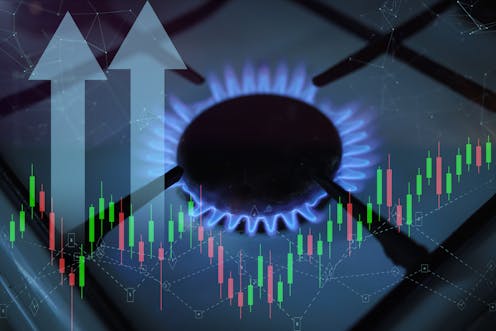
The energy payments package announced by Prime Minister Liz Truss tackles one immediate problem: it heads off soaring household energy bills by capping them at around £2,500 a year until 2024 and offers to hold down prices for businesses. Essentially, the government will cover a sizeable share of your energy bill for two years by paying energy supply companies the difference between their wholesale costs (at which they buy energy in bulk) and those capped consumer prices.
By restraining bills rather than paying consumers directly, Truss hopes to temper inflation. The package is estimated to cost the government around £150 billion. The question is whether it solves any of the problems plaguing the energy system itself (the answer: not really) and whether it risks diverting attention from needed reforms.