
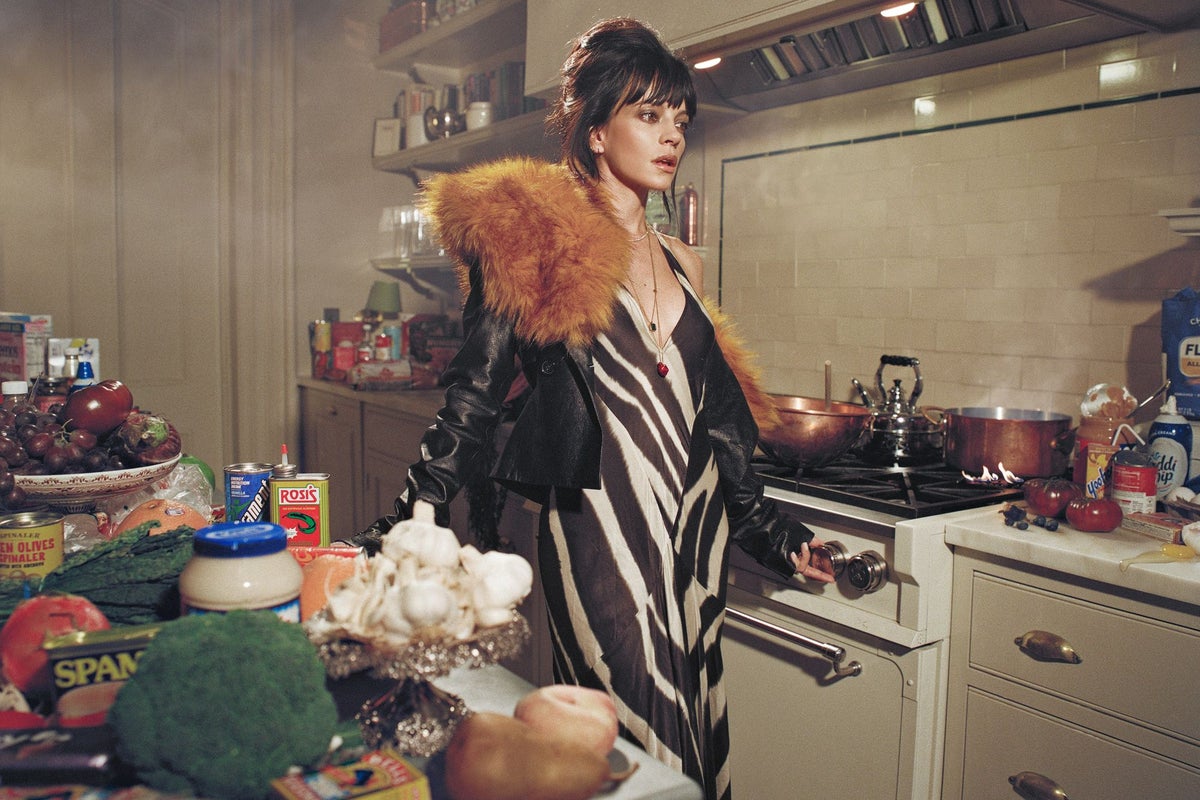
Lily Allen has made a career out of telling the truth, no matter how messy it sounds. She was 21 when she shot to fame as the pop star behind hit singles such as “Smile” and “LDN”, both of which narrated her exploits around buzzing London town with candid, wry humour. The songs were catchy, the lyrics delivered in an insouciant stream-of-consciousness style that made you feel like you were gossiping with her at the pub. Her debut album, 2006’s Alright ,Still, was packed full of that same candour: “Knock ‘Em Out” was an eye-rolling riposte to drunken louts trying it on with exasperated women at the bar, “Not Big” a withering kiss-off to a bad lover, “Alfie” a sisterly scolding to her younger brother.
The 2008 follow-up, It’s Not Me, It’s You, might have been glossier, more pop, but it was still quintessentially Lily. Many of the same problems plagued her: bad sex (“Not Fair”), parental woes (“He Wasn’t There”), sibling rivalry (“Back to the Start”). But now Allen was a fully-fledged star contending with paparazzi, issues with substance abuse and body image, and tabloid heckling over what was deemed to be inappropriate behaviour from a young lady. Cue tracks like “Everyone’s At It”, about the hypocrisy of politicians and the media over anti-drugs messaging, and “The Fear”, a succinct assessment of fame and the vapidness of celebrity culture.













