Get all your news in one place.
100’s of premium titles.
One app.
Start reading
Marie Claire
Marie Claire
Lifestyle
Samantha Holender

Let’s Stop Fear-Mongering Hormone Therapy, Okay?

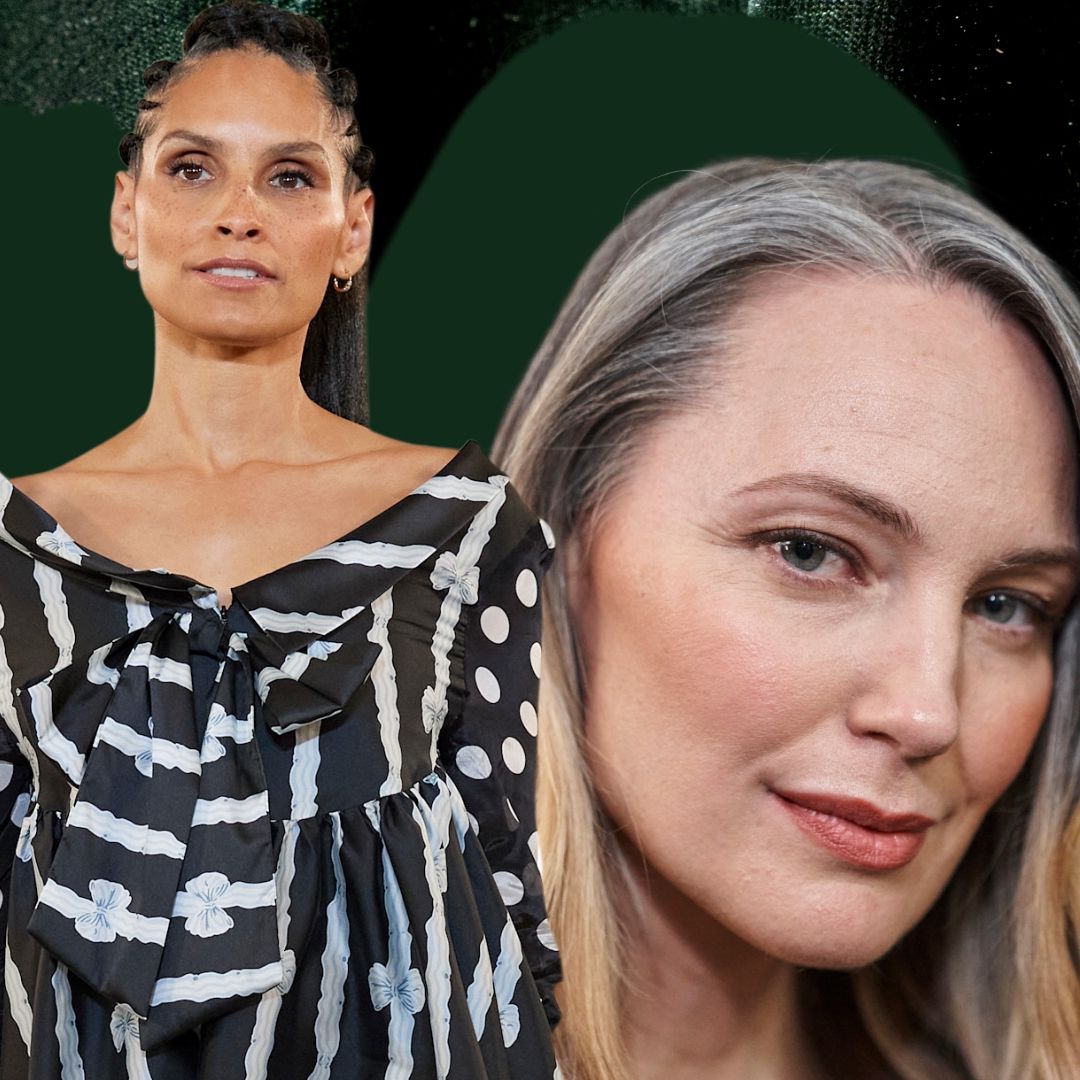
Collage of menopausal women on green background.

If you want a masterclass in how women’s health gets sidelined, look no further than hormonal conditions. Endometriosis takes an average of 10 years to be diagnosed. PCOS? Up to 70 percent of women go undiagnosed. And then there’s the pièce de résistance: menopause. A universal experience for half the population—and yet, for decades, women have been, as Vanessa Coppola, DNP, FNP-BC, puts it, “made to believe that their suffering was psychological rather than physiological.”

Women approaching menopause have long been told—often by men, which is its own irony—that hot flashes, low sex drive, brain fog, and weight gain are “just a normal part of aging.” The implication? That discomfort is inevitable, and treatment is optional. In reality, getting (somewhat) comfortably through perimenopause and menopause is doable with hormone therapy.

The catch: the very effective and safe treatment has been cast as a dangerous, cultural boogeyman due to a deeply flawed Women’s Health Initiative study from the early 2000s, in which nuance was lost, benefits were ignored, and panic took over. The FDA slapped a Black Box warning on hormone therapy, and use of the treatment dropped 22 percent from 1999 to 2020.

The truth is far less alarming. Not only have treatment practises been changed since the study was conducted, but hormone therapy can be life-changing for managing the symptoms that accompany declining estrogen, testosterone, and progesterone levels. The goal of modern hormone therapy isn’t to “replace” hormones to the levels of your 20s or 30s; it’s to supplement them to a degree that eases symptoms and protects long-term health, explains board-certified OB-GYN and Medical Director at Allara Health, Tiffany Pham.

But because we live in a medical system that has historically prioritized male bodies over female ones, research gaps remain glaring. As Dr. Coppola notes, “we are truly missing from the research to a large degree, and that needs to change in a very big way.”

Still, there’s reason for optimism. The cultural tune around hormone therapy is finally starting to change—and there’s hope the research will catch up. Social media has opened the floodgates for candid, destigmatized conversations. Celebrities, including Gwyneth Paltrow, Oprah, and Michelle Obama, have publicly discussed their experiences with hormone therapy. Even longevity-focused physicians like Peter Attia, MD, have entered the mainstream conversation, who appeared 60 Minutes and called hormone therapy a “misunderstood” area of research, and argued that ignoring it could be considered the “crime of the century.”

To be clear, hormone therapy isn’t anti-aging snake oil. But as board-certified endocrinologist Rocio Salas-Whalen, MD, points out, “many women who could benefit are either never offered hormone therapy or are discouraged from considering it. This has led to unnecessary suffering, feelings of dismissal, and the belief that symptoms are something women must simply ‘push through.’”

What’s needed now isn’t blind enthusiasm or blanket rejection, but nuance and context. So let’s stop fear mongering hormone therapy. Let’s replace panic with information. And let’s finally treat menopause like the major health transition it is.

What Happens to Hormones During Menopause?

Before we get into the nitty-gritty, there’s a very important caveat: perimenopause and menopause aren’t ever going to be a cookie-cutter experience; it’s a highly individualized change. While when you start experiencing symptoms and the degree to which you do varies person to person, every biological female will go through hormonal fluctuations once she approaches her late 30s or early 40s. “Perimenopause is marked by unpredictable swings, not just low levels,” explains Dr. Salas-Whalen. “Eventually, during menopause (defined as 12 months without a period), estrogen and progesterone drop significantly, while other hormones like testosterone decline more slowly over time.”

Because our hormones are responsible for so much of how we feel—estrogen controls our internal thermometer and vaginal health, while testosterone plays a role in sex drive—their changing levels have a big impact on how women feel and function. “Hot flashes and night sweats are the hallmark symptoms, but the impact on lifestyle is much broader,” says Dr. Pham, noting that woman should expect to see changes in cognitive function, hair loss, sex drive, metabolic changes, and weight gain, and adult acne—to name a few. Fun stuff.

Where Does Hormone Therapy Come In?

Hormone Replacement Therapy, which is now more often referred to as Hormone Therapy or Menopausal Hormone Therapy, is a series of medications prescribed by your OB-GYN or other board-certified physician to help supplement declining hormone levels—and lessen the symptoms that come with it. “Treatment involves the clinical use of estrogen alone or estrogen combined with a progestogen to relieve symptoms like hot flashes and night sweats, improve sleep and quality of life, treat vaginal symptoms, support sexual function, and preserve bone density that decreases as women age,” explains board-certified OB/GYN and medical irector at Winona Cathleen Brown, DO.

That said, there’s no cut-and-dried formula for hormone therapy. Your doctor will likely run a hormone panel, but it is a case-by-case prescription. "The dose of MHT is determined by evaluating a patient’s symptoms, age, time since menopause, medical history, and individual risk factors,” says Dr. Brown. “The goal is to use the lowest effective dose and safest route of administration for each patient, with ongoing reassessment and adjustment over time.” Some patients will stop hormone therapy once their hormones level out post-menopause, while others might continue if they find some benefit. That’s why it’s important to find a provider you can trust and who will monitor you consistently.

How Do These Hormones Get Supplemented, Exactly?

There’s a handful of different way to get hormones into your system. Hormone therapy can be delivered through patches that gradually release hormones into your body, topical creams or gels, oral medications, injections, or pellets, which are inserted under the skin for time-released doses. “Each has benefits and drawbacks,” says Dr. Coppola. “Topical and transdermal options are often preferred due to their favorable safety profiles and steady hormone delivery, but the choice should always be individualized based on patient needs, preferences, and risk factors.”

Are There Risks With Hormone Therapy?

Nothing is without risks, but there is a lot of fear surrounding hormone therapy that’s overstated. The why and when is clear. Following the 2001 Women’s Health Initiative study—which used hormone formulations and patient populations that don’t reflect current practice—that showed an increase in risk for cervical cancer, breast cancer, and stroke, among other risks, the FDA slapped a Black Box warning label on hormone therapy, which led to a 22 percent drop in use from 1999 to 2020. “Much of the fear stems from misinterpretation of early 2000s research, which looked at older women starting HRT long after menopause using outdated formulations,” says Dr. Salas-Whalen. “Newer data show that when started at the right time, in the right patient, HRT is safe and beneficial. Fear has been over-amplified, often without context. Women shouldn’t be scared, but they should be informed.”

Is Everyone a Candidate for HRT?

Most women can be a candidate, but as with anything, there are exceptions the rule. “Those with an active breast cancer diagnosis, blood clot (including clots that lead to heart attacks or strokes) or condition that predisposes to developing blood clots, an allergy to the medication, active liver disease, or undiagnosed vaginal bleeding [shouldn’t do hormone therapy],” says Dr. Pham. It’s also worth noting that some individuals might manage their symptoms better with alternative medications. “It’s not an end all be all—it is part of a toolkit of medications and therapies that can be utilized,” says Dr. Pham. This is why it’s so important to find a doctor who will be able to guide you through the different options available to you.

What Does the Future of Hormone Therapy Look Like?

While much remains to be seen, the hope among leading physicians is that hormone therapy begins to at least be a first-line topic of conversation for women in perimenopause. “Historically, women’s health (especially midlife and post-reproductive health) has been underfunded and under-prioritized,” says Dr. Salas-Whalen. “Talking about the benefits is long overdue. There’s growing awareness, better education among clinicians, more nuanced media coverage, and increased advocacy from women demanding better care.”

If we keep this up, women approaching menopause will be able to get through it with facts (and relief) instead of fear.

Why Trust Marie Claire

For more than 30 years, Marie Claire has been an internationally recognized destination for news, fashion and beauty trends, investigative packages, and more. When it comes to the products Marie Claire recommends, we take your faith in us seriously. Every product that we feature comes personally recommended by a Marie Claire writer or editor, or by an expert we’ve spoken to firsthand.

Meet the Experts

Sign up to read this article
Read news from 100’s of titles, curated specifically for you.
Already a member? Sign in here
Related Stories
Top stories on inkl right now
Our Picks
Fourteen days free
Download the app
One app. One membership.
100+ trusted global sources.