
Get all your news in one place.
100's of premium titles.
One app.
Start reading
Tom’s Hardware
Tom’s Hardware
Technology
Jowi Morales

Lenovo announces world's first laptop with inkjet-printed OLED — the Legion R9000P is equipped with a 240 Hz IJP panel from TCL CSOT

Inkjet printed laptop.

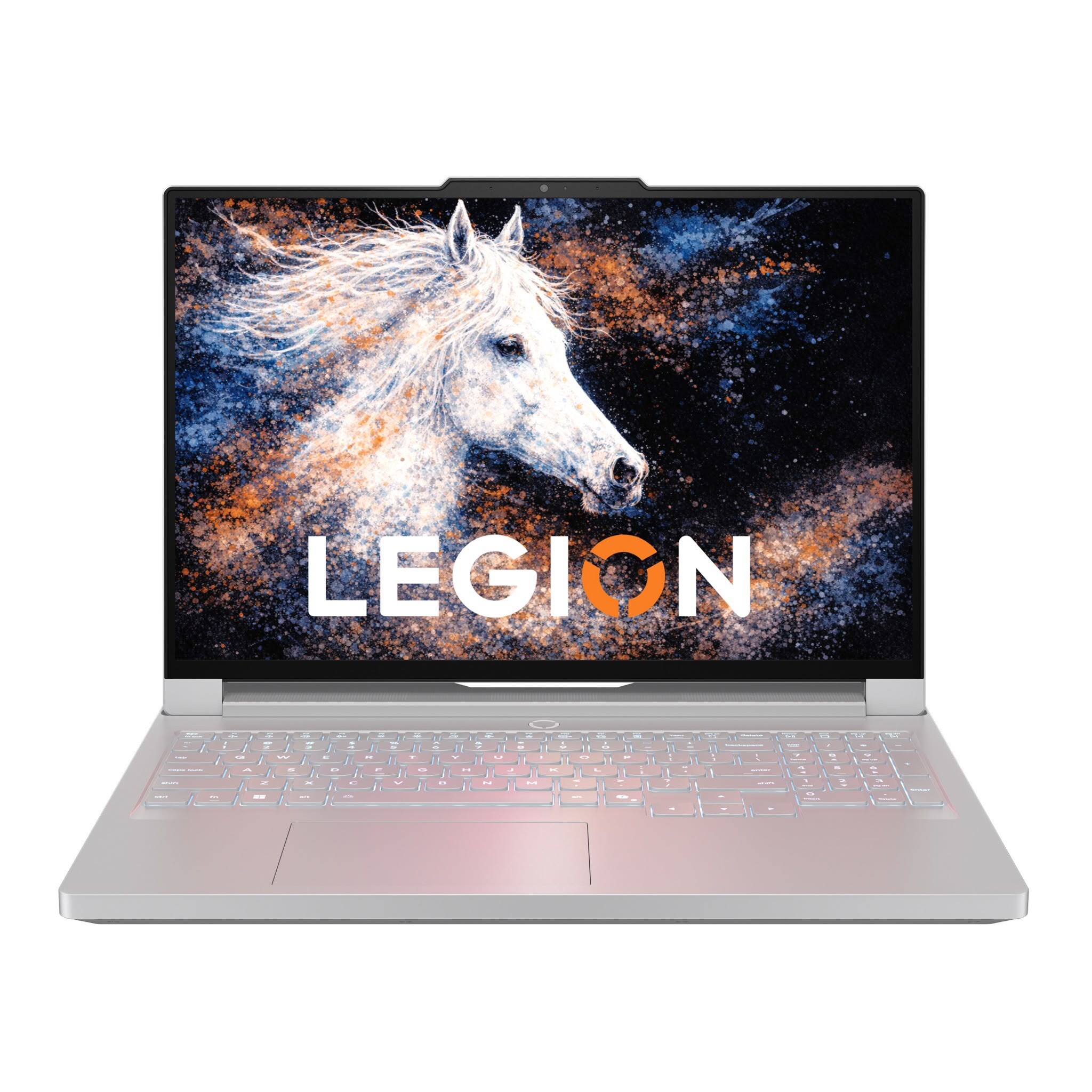
TCL CSOT, a subsidiary of Chinese electronics and TV giant TCL, has been developing inkjet-printed (IJP) OLED displays since 2024, and it seems that it has finally brought it to market with the Lenovo Legion R9000P. Lenovo says that this is the first laptop in the world to feature the TCL CSOT technology, which marks a significant step towards “the commercialization of this next-generation display technology.”

(Image credit: Lenovo)

This Lenovo Legion laptop will feature a 16-inch IJP OLED that can hit a 240 Hz refresh rate while also covering more than 99% of the DCI-P3 color gamut. This isn’t exactly groundbreaking when it comes to OLED monitors, but the biggest advantage that IJP OLED displays have over the traditional vacuum thermal evaporation (VTE) method is that it’s cheaper and simpler to produce, resulting in higher yields. TCL CSOT’s IJP OLEDs also promise improved brightness, which is something that traditional OLED screens struggle with. This is especially important for laptops like the Legion R9000P, which are expected to face more varied lighting conditions due to their portable nature, compared to monitors and TVs that are often placed statically in one location for most of their lifetime.

If this technology catches on, it should reduce the cost of the best OLED gaming monitors, which, arguably, offer one of the best experiences when it comes to contrast and color. Unfortunately, Lenovo hasn’t revealed the specifications or the price of the Legion R9000P, so we cannot say for sure how the IJP OLED has affected its affordability and compare it with similar models that feature a more traditional OLED display.

While this is the first time that IJP OLED is being mass-produced for consumer electronics, TCL CSOT has been working on the technology for over 10 years now. In fact, the company has been mass-producing its 5.5-generation IJP OLED since 2024 (which is presumably used in commercial and industrial products like medical displays) and has started construction of its 8.6-generation IJP OLED production last year.

Aside from Lenovo, MSI is also using this new IJP OLED panel in the just-announced MSI Pro Max OLED 271UPJW12. While the company did not explicitly mention that it used a display from TCL CSOT, its specifications exactly match. Besides that, TCL CSOT is currently the only one manufacturing OLED screens using the inkjet printing technique.

MSI Unveils the PRO MAX OLED 271UPJW12: The World's First 27-Inch 4K IJP OLED Monitor from r/OLED_Gaming

Aside from laptops and monitors, we also expect to see this technology to eventually reach TVs and smartphones. This should make high-quality OLED TVs more affordable to more users and compete against cheaper TVs that use technologies like QLED and Mini LED. It could also allow for budget phones with beautiful screens that can give flagship models a run for their money.

Sign up to read this article
Read news from 100's of titles, curated specifically for you.
Already a member? Sign in here
Related Stories
Top stories on inkl right now
One subscription that gives you access to news from hundreds of sites
Already a member? Sign in here
Our Picks
Fourteen days free
Download the app
One app. One membership.
100+ trusted global sources.