Halfway through 2026, Latin music has once again pulled ahead of the broader American recording industry, according to figures released by the Recording Industry Association of America. The genre's 8.6% revenue growth outran the 6.9% posted by the U.S. market as a whole, extending a streak that now stretches across 13 consecutive mid-year periods.

How the numbers break down
Total Latin revenue reached $542.2 million between January and June, a figure confirmed in reporting from Digital Music News. Paid streaming subscriptions supplied the largest single chunk of that total, generating $308.4 million and now making up nearly 57% of everything the genre earns. Physical formats, while still a rounding error next to streaming, tripled to $14 million, and sync placements in film, television and advertising more than doubled to $3.3 million.
Streaming dominates, but downloads keep fading
Streaming accounted for 96% of every dollar Latin music generated in the first half of the year, a share that has held remarkably steady even as the underlying revenue keeps rising. Ad-supported streaming was the one category to slip, dipping about 1.1% to roughly $177.8 million. Sales of individual tracks and albums fell even harder, down close to 12%, underscoring how thoroughly ownership has given way to access across the genre's fan base.
A market share that keeps widening
Latin music's slice of total U.S. recorded music revenue grew to 9.1% in the first half of 2026, up from 8.8% during the same window last year. Zoomed out, that share sat at just 2.9% back in 2017, meaning the genre's footprint has roughly tripled in under a decade. The pace of growth is also picking up rather than flattening out: first-half revenue rose 5.9% in 2025 and has now jumped to 8.6% this year, well above the RIAA's own full-year 2025 growth rate of 4.2%.
Vinyl's small but explosive comeback
Physical formats remain a tiny slice of the overall pie, but the growth curve is hard to ignore. Latin vinyl sales climbed to roughly 800,000 units, up about 291% from a year earlier, pushing vinyl revenue to $13.7 million and accounting for nearly all of the genre's physical-format earnings.
Bad Bunny, Shakira and a year of cultural flashpoints
RIAA officials pointed directly to a handful of high-visibility moments as fuel for the growth. Bad Bunny's Super Bowl LX halftime show, delivered almost entirely in Spanish and the first of its kind in NFL history, and Shakira and Burna Boy's World Cup anthem "Dai Dai" were both singled out as breakthrough events that pulled new audiences toward Latin artists.
"Dai Dai" carved out its own piece of chart history, becoming the first official World Cup theme song to reach number one on both the Billboard Global 200 and the Global Excl. U.S. chart, a feat no previous World Cup single had managed since those rankings launched in 2020.
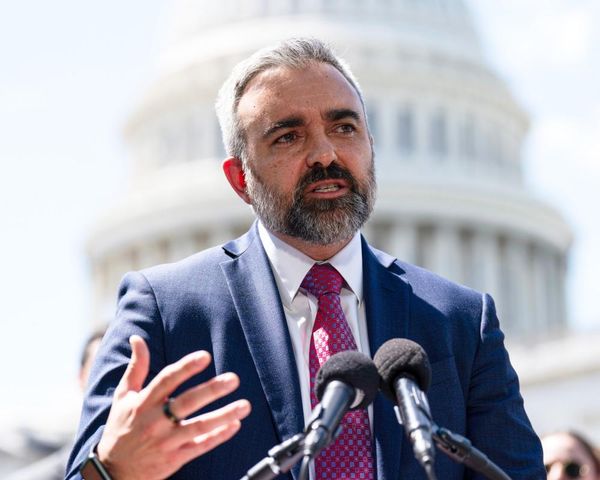
RIAA Senior Vice President of State Public Policy and Latin Music Rafael Fernandez Jr. framed the results as evidence of a broadening fan base rather than a single breakout artist, saying in a statement carried by Billboard that Latin music "keeps raising the bar."
What comes next
With growth accelerating instead of leveling off, label executives are likely to keep steering investment toward Latin artists through the rest of 2026. Should the current trajectory hold, the genre's slice of the overall U.S. market could edge past 10% within the next year or two — a threshold Latin music has been closing in on steadily since its annual revenue first crossed the $1 billion mark in 2022.
For now, the mid-year snapshot reinforces a pattern that has held for more than a decade: Latin music isn't simply keeping pace with the U.S. recording industry — it continues to outrun it.