
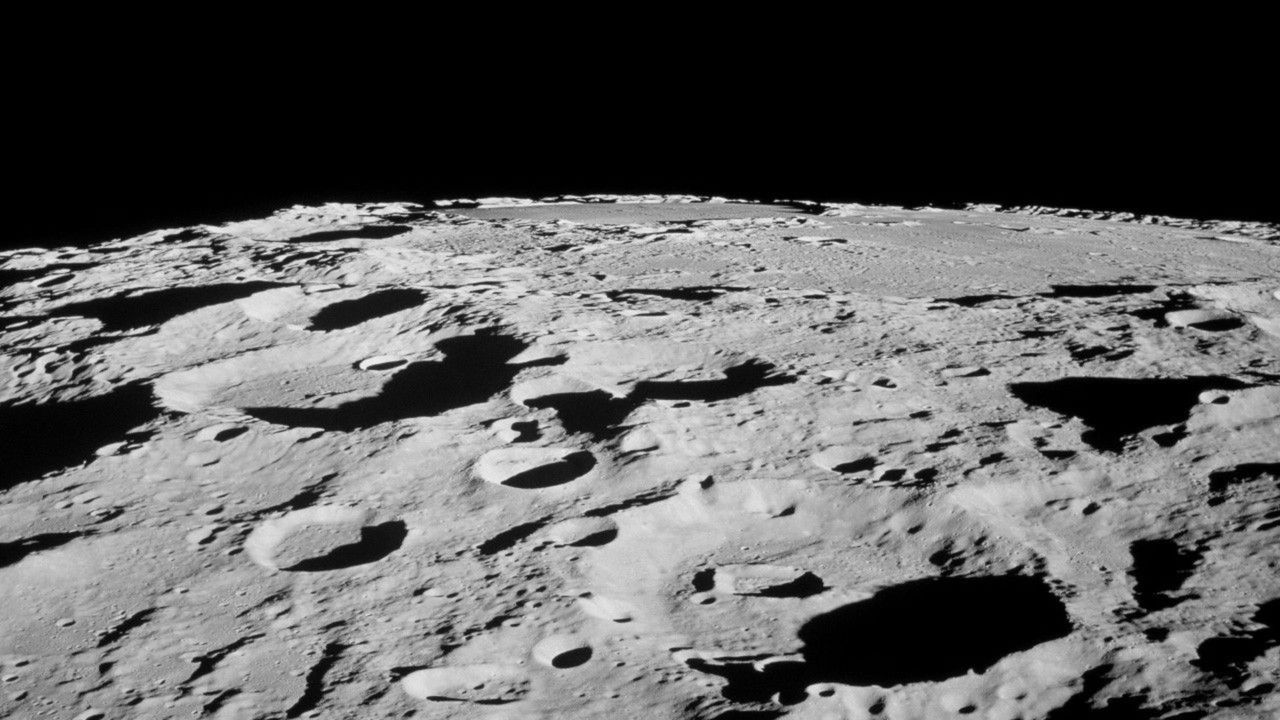
Placing ultrastable lasers inside some of the coldest, darkest lunar craters could help scientists establish a GPS-like navigation system on the moon, allowing future Artemis astronauts and spacecraft to navigate the lunar surface more easily.
Researchers at the National Institute of Standards and Technology (NIST) have proposed that permanently shadowed craters near the moon's south pole may offer the perfect natural environment for extraordinarily precise laser systems. Those lasers could one day provide the timing backbone needed for future astronauts, rovers and spacecraft to navigate the moon without relying so heavily on Earth-based tracking systems, according to a statement from the NIST.