
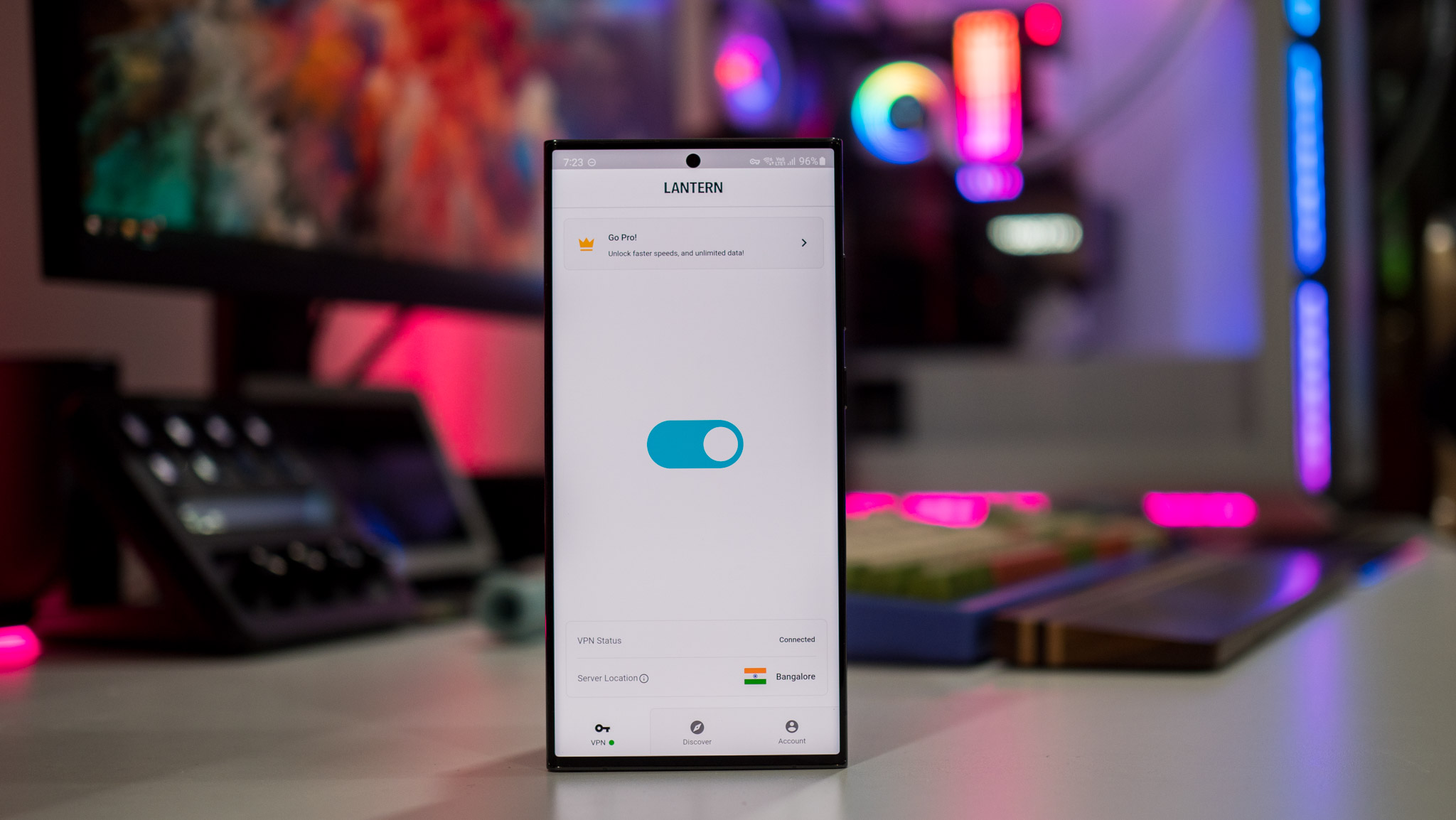
There's no shortage of VPNs and proxy services these days, and every corner of the internet is littered with ads for the same. I'm cynical of VPNs as a rule, so when I was asked to take a look at Lantern, I went in with a decent amount of skepticism. The service has seen a lot of momentum in countries like Iran in recent months, and has amassed 10 million downloads on the Play Store globally, with over 8 million users in Iran. The basic premise of Lantern is that it provides access to blocked websites, and it promises to do so even when traditional VPNs go down.
That is an area where Lantern is different; it isn't a full-fledged VPN that creates a tunnel to another region and serves data from that country. Instead, it is a proxy service that aims to unblock websites that have been targeted for shutdown in authoritative regimes. I talked to the folks behind Lantern, and was told that the service was used by protestors in Iran to evade the local government's censorship of social media sites like Twitter.














