Get all your news in one place.
100's of premium titles.
One app.
Start reading
The Economic Times
The Economic Times

Kitchen shelf cleaning tips? Try these viral deep-cleaning hacks to remove years of grease, grime and sticky buildup

Kitchen shelves are one of those places most people clean less often than they should. Between spice spills, sticky oil bottles, crumbs and layers of grease, even a shelf that looks clean can have plenty of hidden grime.

If your kitchen shelves have been quietly collecting dirt for weeks, these simple deep-cleaning hacks can help. The best part? Most use everyday cleaning supplies and do not require expensive products.

Read more - How AI is saving elephants: When mighty animals move towards railway tracks, Gajraj AI sends instant alerts to trains, helping them cross safely

1. Empty the shelf completely

This is the cleaning step most people tend to skip. Instead of moving things around and wiping only the visible areas, take everything off the shelf.

Check packets, jars and bottles for spills, leaks, expired food and signs of insects. Once the shelf is empty, you can finally reach those forgotten corners where crumbs and dust love to hide.

Read more - Soha Ali Khan won’t let daughter Inaaya’s bedtime go beyond 8 pm, the Sharmila Tagore wisdom behind this strict routine & why she refuses to compromise

2. Get rid of crumbs before using water

Don't immediately grab a wet cloth. First, remove all the loose crumbs, flour, rice, spice particles and dust.

Use a small vacuum cleaner, soft brush or dry microfibre cloth. This simple trick makes the next cleaning step much easier because you won't end up spreading wet crumbs across the shelf.

3. Try the simple soap-and-water hack

You don't always need a fancy kitchen cleaner to tackle everyday dirt.

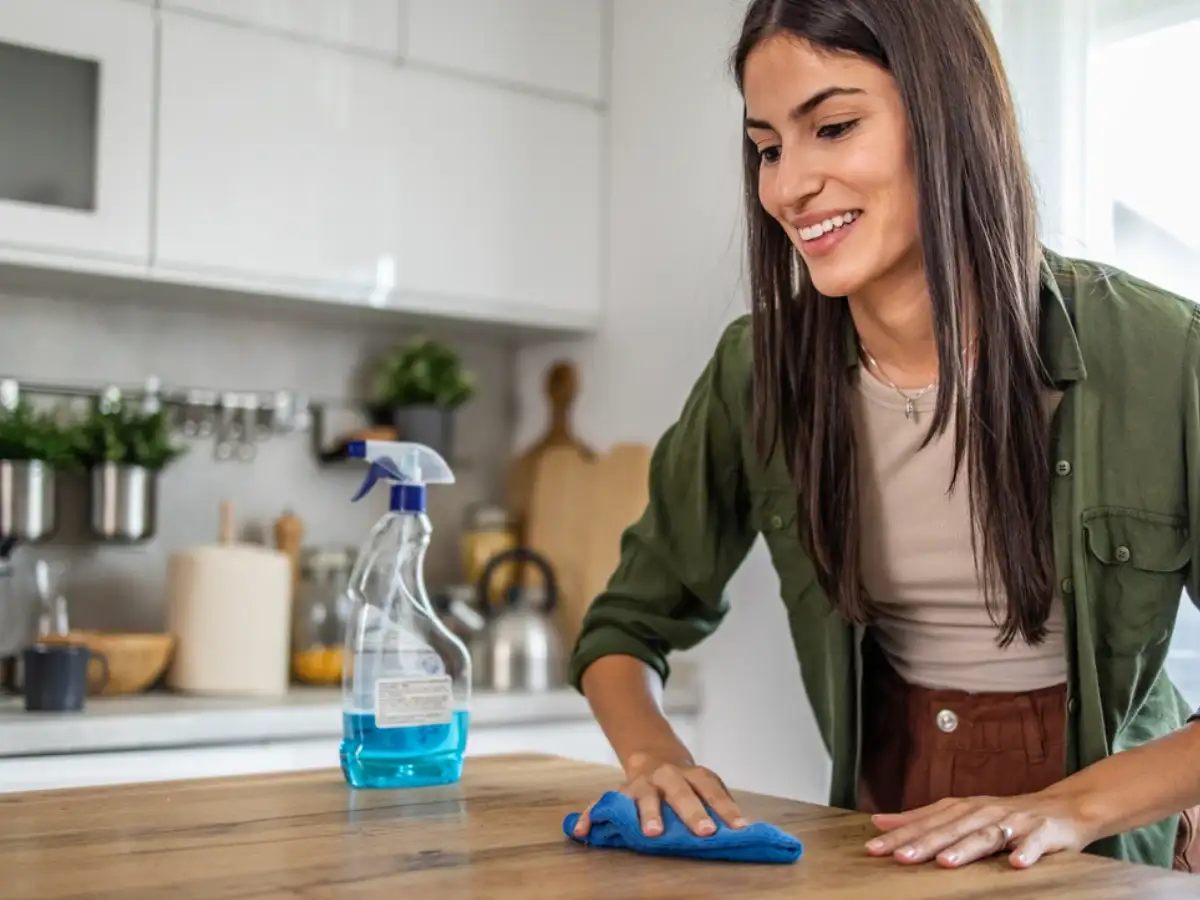
Mix a small amount of washing-up liquid with warm water. Dip a microfibre cloth into the mixture, wring it out well and wipe the shelf.

The viral-cleaning truth? Sometimes the simplest method works best. For ordinary dust, food residue and light grease, mild soapy water is often enough.

4. Use this trick for stubborn grease

Greasy shelves can be particularly annoying, especially around cooking oils and spice containers.

Take a soft cloth, dampen it with warm water and add a little washing-up liquid. Gently work over the greasy patch and allow the soapy cloth to sit on stubborn residue for a short while before wiping.

Avoid aggressive scrubbing, particularly if the shelf has a delicate coating or finish.

5. Don't ignore sticky spills

Spilled honey, sauces, sugar or other food can turn into rock-hard sticky messes if left for too long.

Instead of scraping the shelf with a knife or another sharp object, place a warm, damp cloth over the residue for a few minutes. This helps soften it so that you can wipe it away more easily.

6. Here's the corner-cleaning trick most people forget

The shelf itself isn't the only place that gets dirty. Check the corners, edges, shelf supports and gaps.

Use a soft brush or slightly damp microfibre cloth to get into these areas. Crumbs hiding in corners can attract ants and other pests, so this tiny step can make a surprisingly big difference.

7. Clean the bottles before putting them back

Imagine spending 20 minutes cleaning your shelf only to put a sticky oil bottle straight back on it.

Before restocking, wipe the bottoms and sides of jars, spice containers, oil bottles and other frequently used items. Make sure everything is dry before returning it to the shelf.

This one small habit can keep your freshly cleaned shelves looking cleaner for longer.

8. Don't put everything back on a wet shelf

This may sound obvious, but it is an easy step to rush.

After wiping the shelves, use a clean, dry cloth and allow the surface to dry completely before putting food and containers back. Excess moisture can damage some wooden or engineered shelves and may contribute to mould in enclosed areas.

The kitchen shelf cleaning hack that actually saves time

Here's the trick: don't wait until your shelves look filthy.

Give them a quick wipe whenever you notice a spill, particularly around oil bottles, sauces and spices. Then do a deeper clean every few weeks, depending on how heavily your kitchen is used.

And before putting everything back, take a minute to throw out expired products and check for damaged food packets or signs of pests.

Disclaimer: This article provides general information and household cleaning suggestions for informational purposes only. Cleaning methods may not be suitable for every surface, material or finish. Always follow the manufacturer's care instructions, use products only as directed and test any cleaning method on a small, inconspicuous area first. Keep cleaning products away from children and pets, ensure adequate ventilation, and never mix different cleaning products.

Sign up to read this article
Read news from 100's of titles, curated specifically for you.
Already a member? Sign in here
Related Stories
Top stories on inkl right now
One subscription that gives you access to news from hundreds of sites
Already a member? Sign in here
Our Picks
Fourteen days free
Download the app
One app. One membership.
100+ trusted global sources.