Get all your news in one place.
100’s of premium titles.
One app.
Start reading
The Times of India
The Times of India
Lifestyle
TIMESOFINDIA.COM

Kidney cancer: 4 stages of this deadly disease

Kidney cancer is a type of cancer that begins in the kidneys, which are vital organs that filter waste products from the blood and produce urine. According to data from the Indian Council of Medical Research (ICMR), kidney cancer is one of the top 10 cancers in India, accounting for approximately 2-3% of all cancer cases. The incidence of kidney cancer is slightly higher in men than women, and it is most diagnosed in people between the ages of 50 and 70.

Kidney cancer is staged according to how advanced the cancer is and how far it has spread in the body. Staging is an essential aspect of cancer diagnosis as it helps determine the extent and spread of the disease, which is crucial for treatment planning and prognosis.

There are four stages of kidney cancer, and each stage requires different treatments and has different prognoses.

Stage 1 Kidney Cancer

Dr. Vikram Kalra, Consultant, Department of Nephrology, CK Birla Hospital (R), Delhi says, “Stage 1 kidney cancer is the earliest stage, and the tumour is generally small, usually measuring less than 7 cm in diameter. At this stage, the cancer is confined to the kidney and has not spread to nearby lymph nodes or other organs. Surgery is the most common treatment for stage 1 kidney cancer, and in many cases, the entire kidney can be removed through a procedure called a nephrectomy. In some cases, a partial nephrectomy can be performed, which involves removing only the part of the kidney that contains the tumour. The five-year survival rate for stage 1 kidney cancer is approximately 81%.

Stage 2 Kidney Cancer

In stage 2 kidney cancer, the tumour is larger than 7 cm but still confined to the kidney. Surgery is also the main treatment for stage 2 kidney cancer however depending on the size and location of the tumour, a partial nephrectomy may not be possible. In some cases, a radical nephrectomy, which involves removing the entire kidney and surrounding tissue, may be necessary. The five-year survival rate for stage 2 kidney cancer is approximately 74%.

Stage 3 Kidney Cancer

According to Dr. Kalra, “In stage 3 kidney cancer, the tumour spreads beyond the kidney and has invaded nearby lymph nodes or other tissues, such as the adrenal gland or the vena cava (the large vein that carries blood from the lower body back to the heart). The five-year survival rate for stage 3 kidney cancer is approximately 53%. The treatment for stage 3 kidney cancer may involve surgery, radiation therapy, chemotherapy, or a combination of these treatments.”

Stage 4 Kidney Cancer

Stage 4 kidney cancer is the most advanced stage, and the cancer in this stage spreads to other organs, such as the lungs, liver, or bones. The five-year survival rate for stage 4 kidney cancer is approximately 8%. Treatment for stage 4 kidney cancer may involve surgery, radiation therapy, targeted therapy, immunotherapy, or a combination of these treatments. Palliative care may also be provided to help manage symptoms and improve quality of life.

Early detection is the key

Several tests and procedures are used to stage cancer accurately. However, the tests may vary depending on the type and location of the cancer. Here are some common tests and procedures used for staging cancer:

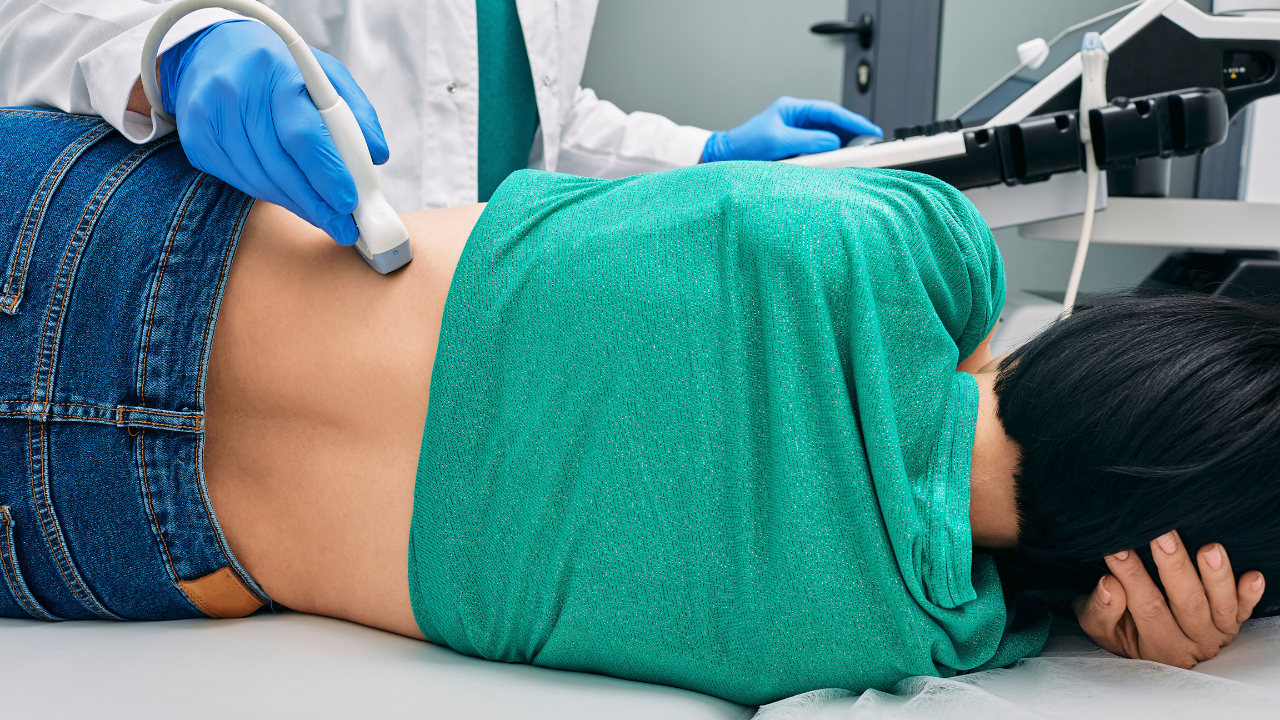
Imaging tests: “Various imaging techniques provide detailed images of the body to assess the tumour’s size, location, and any spread to nearby lymph nodes or distant organs. These tests may include X-rays, CT scan, Magnetic resonance imaging (MRI) scan, Positron emission tomography (PET) scan, Ultrasound,” says Dr. Kalra.

Biopsy: A biopsy involves removing a small sample of tissue from the suspected tumour or affected area. The tissue is then examined under a microscope to confirm the presence of cancer cells and determine the tumour type. Biopsy results are crucial for accurate staging.

Blood tests: Blood tests may be conducted to evaluate specific markers or substances in the blood that can indicate the presence of cancer or provide information about organ function. For instance, certain blood tests can measure levels of tumour markers associated with specific cancers.

Endoscopy: Dr. Kalra says, “This procedure involves using a thin, flexible tube with a camera (endoscope) to visualize and examine the internal organs. Endoscopy can help identify the location, size, and extent of tumours, particularly in cancers affecting the gastrointestinal tract, bladder, or respiratory system.”

Lymph node biopsy: In some cases, a biopsy may be performed on nearby lymph nodes to determine if the cancer has spread to these lymph nodes.

Surgical staging: Depending on the cancer type and stage, surgical procedures may be performed to explore the extent of the disease and collect additional information. This may involve removing nearby lymph nodes or other tissues for examination.

The takeaway

Kidney cancer is a significant health issue in India, with a notable proportion of cancer cases originating from the kidneys. Therefore, it is important to understand the stages of kidney cancer and their treatments. Early detection and treatment can increase the chances of a successful outcome, especially in the early stages of the disease. Therefore, it is essential to be aware of the symptoms of kidney cancer, such as blood in the urine, a lump or swelling in the abdomen, fatigue, unexplained weight loss, and fever, and to seek medical attention promptly if any of these symptoms occur. Regular check-ups with a doctor can also help detect kidney cancer early, especially in high-risk individuals, such as those with a family history of kidney cancer, smokers, and people with certain genetic mutations.

Sign up to read this article
Read news from 100’s of titles, curated specifically for you.
Already a member? Sign in here
Related Stories
Top stories on inkl right now
One subscription that gives you access to news from hundreds of sites
Already a member? Sign in here
Our Picks
Fourteen days free
Download the app
One app. One membership.
100+ trusted global sources.