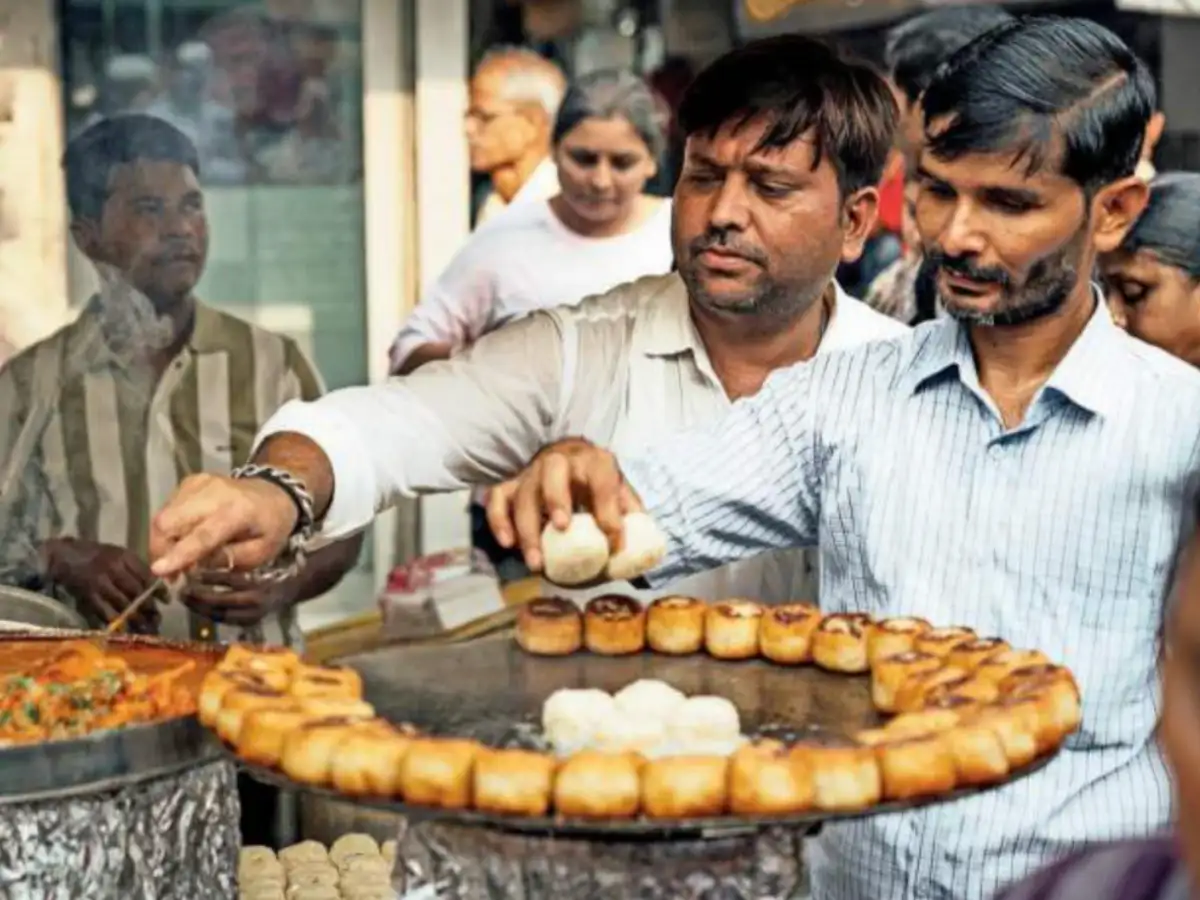
Karnataka will expand its food-safety enforcement and awareness drive to street-food vendors, with a focus on hygiene, safe food handling and cleanliness, health and family welfare minister UT Khader said on Wednesday.
The initiative will cover hygiene during food preparation and serving, cleanliness, safe handling of ingredients and responsible use of cooking oil, Khader said at an interactive session on food safety organised by the Bangalore Chamber of Industry and Commerce (BCIC).

The government has intensified food-safety inspections across the state in recent weeks, covering hotels, restaurants and other food establishments. Khader said the focus would now include greater awareness and education among street vendors and food handlers, alongside enforcement.
“Food safety cannot be achieved through inspections alone. Greater education and awareness among vendors, food handlers, businesses and consumers are equally critical,” Khader said.
Karnataka will also host a national-level conclave of Food Safety Officers and Commissioners in October, bringing together officials from different states to discuss ways to strengthen the country's food-safety framework.
The conclave will facilitate the exchange of best practices, identify gaps in existing food-safety systems and examine areas where rules and regulations may need strengthening. Recommendations from the discussions could also be taken up with the central government, Khader said.
The government is also examining measures to prevent the repeated reuse of cooking oil by food establishments. One option under consideration is to facilitate collection of used cooking oil by biodiesel companies, which can use it as a raw material for biodiesel production.
BCIC president K Ravi said industry-government collaboration was necessary to strengthen food-safety standards and consumer confidence. BCIC said it would work with the state government on awareness and other initiatives involving the industry.
Food safety a management responsibility
Dr V Pasupathy, national advisor, Federation of Hotel & Restaurant Associations of India (FHRAI), said food safety should be treated as a management responsibility rather than being limited to kitchen operations.
“In the last 90 days, across the country, 11,216 food-safety raids have resulted in 172 suspension notices, 519 criminal cases and 926 improvement notices with fines,” Pasupathy said.
He said the Food Safety and Standards Authority of India (FSSAI) assesses hotels on 51 questions carrying 126 marks, with 44 marks directly concerning the owner and general manager. He also said 46% of recent suspension notices were related to raw-material management.
The session, organised under BCIC’s Hospitality, Tourism & Travel Expert Committee, focused on food-safety and hygiene standards, compliance, enforcement and industry practices.