Get all your news in one place.
100's of premium titles.
One app.
Start reading
AAP
AAP
Politics
Jacob Shteyman

Jobless jump, Iran war shoot down fears of rate rise

The Reserve Bank could hold interest rates as Australia's jobs market shows signs of softening. (James Ross/AAP PHOTOS)

The likelihood of a rate hike in June has shrunk after a surprise jump in the unemployment rate showed the Iran war is having a material impact on Australia's economy.

While bad news for workers, the rise in the jobless rate from 4.3 per cent to 4.5 per cent in April will be greeted with a sigh of relief by the Reserve Bank.

About 18,600 jobs dropped out of the economy in the month, defying economists' expectations for a rise of 15,000 jobs and a steady unemployment rate in official data released by the Australian Bureau of Statistics on Thursday.

seasonally adjusted unemployment graphic
The number of unemployed people in Australia rose by 33,000 in April. (Susie Dodds/AAP PHOTOS)

HSBC chief economist Paul Bloxham said the figures were the sort of decisive marker, taken together with falling consumer and business confidence and housing prices, that the economy was entering a downturn.

"Critically, (it's) the sort of indicator we have been looking for to support our view that the RBA is unlikely to increase its cash rate further," he said.

"We expect that once the jobs market is decisively loosening, the RBA will be able to argue that a loosening jobs market will put downward pressure on wages growth in the medium-term, helping to dis-inflate the economy."

The result challenged the Reserve Bank's forecast from earlier in May that the unemployment rate would average 4.2 per cent in the June quarter.

NAB still expects the Reserve Bank to hike again but pushed back its prediction for the next rate rise from June to August.

"There is now less urgency for the RBA board to lean more firmly against inflation risks," NAB economists Taylor Nugent and Michael Hayes said.

"The balance of risks has shifted in favour of the board's characterisation that they have some 'space' to monitor incoming data for both inflation and activity impacts due to higher oil prices and uncertainty coming out of the Middle East."

interest rates
The Reserve Bank has been in rate-hiking mode so far in 2026. (Susie Dodds/AAP PHOTOS)

Westpac also expected the Reserve Bank to hike again in August but economists at CBA and ANZ said the figures supported their call the cash rate had already peaked at 4.35 per cent.

Before the release, money markets had been pricing in four basis points of rate hikes at the next Reserve Bank meeting in June, putting the chance of a 25 percentage point rise at about 15 per cent.

By the afternoon, markets forecast just one basis point in June.

While the Reserve Bank would be comforted by signs of softening demand in the economy, an increase in hours worked suggested the labour market was not cooling as quickly as the headline figures implied, BDO chief economist Anders Magnusson said.

Despite the fall in employment, hours worked rose by 15.8 million hours, meaning hours worked per person rose by 0.9 per cent, the bureau's head of labour statistics Sean Crick said.

The number of unemployed people rose by 33,000.

"Compared to what we usually see in April, more people remained unemployed this month," he said.

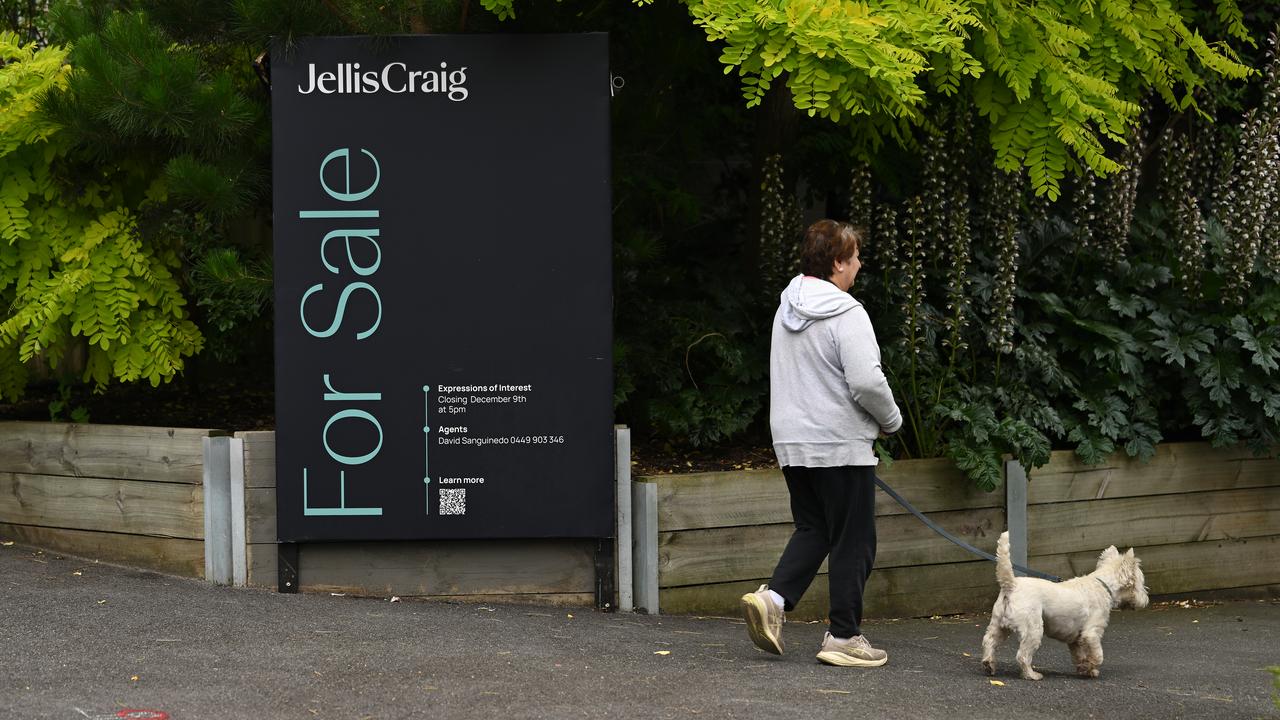
shoppers
Cost-of-living pressures remain an issue for the broader Australian economy. (Joel Carrett/AAP PHOTOS)

The participation rate fell 0.1 percentage points to 66.7 per cent.

The weak result was driven by a fall in female employment - the first since August 2025 - which was down 19,000 full-time roles and 13,000 part-time.

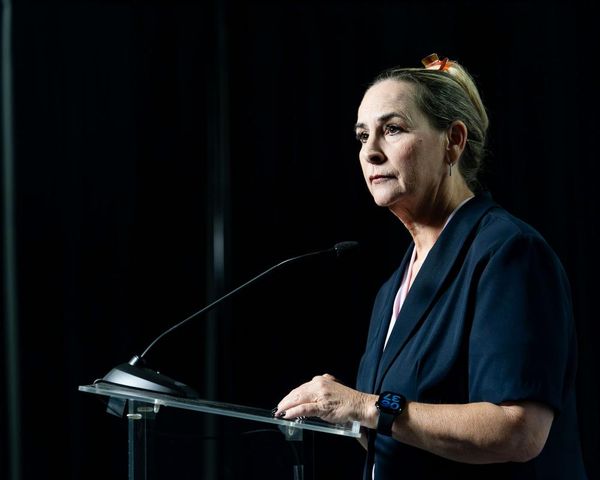
Australia's labour market remained a considerable source of strength for the economy, considering the headwinds blowing from the Middle East, Treasurer Jim Chalmers said.

Earlier in the week, Reserve Bank chief economist Sarah Hunter noted cost pressures from the Middle East conflict were being passed through faster and more widely than previously assumed.

Monthly inflation data due out on Wednesday will be crucial to the board's decision as it weighs the downside risks of the conflict on activity and employment with the upside risks to price growth.

Sign up to read this article
Read news from 100's of titles, curated specifically for you.
Already a member? Sign in here
Related Stories
Top stories on inkl right now
One subscription that gives you access to news from hundreds of sites
Already a member? Sign in here
Our Picks
Fourteen days free
Download the app
One app. One membership.
100+ trusted global sources.