The Jimmy Kimmel Melania Epstein Joke has drawn fresh attention after a recent segment in Jimmy Kimmel's late-night monologue, where he made a reference involving Melania Trump and the ongoing public discussion around Jeffrey Epstein, according to The New York Times.
The moment quickly spread across social media, not because of a specific quote or official reaction, but because the topic itself is so sensitive. It sits right at the crossroads of politics, celebrity culture, and the increasingly blurred limits of late-night comedy.

Reactions have been mixed. Some viewers see it as typical political satire from Kimmel, while others feel it pushes too close to a line that shouldn't be crossed.
Jimmy Kimmel Revels in News That Trump Was Blindsided by Melania's Epstein Address: 'She Must Really Hate Him' https://t.co/N00RsGh2hV
— Mediaite (@Mediaite) April 10, 2026
What Happened with the Jimmy Kimmel Monologue
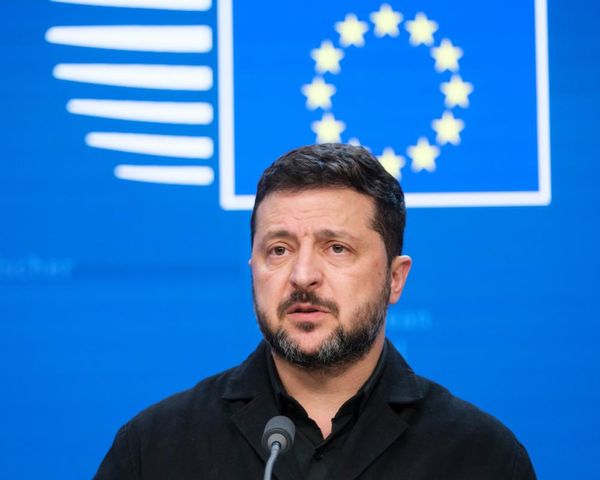
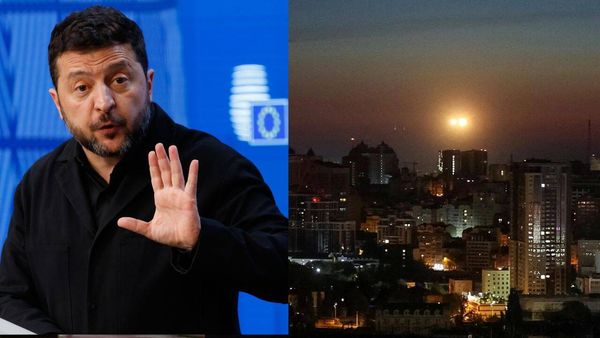
The segment aired during Jimmy Kimmel's recent show as part of his usual monologue, where he often covers politically charged topics in a satirical way.
According to The New York Times, the joke included a reference linking Melania Trump to the wider public discussion around Jeffrey Epstein, a subject that remains highly sensitive in US political and media coverage.
So far, there has been no official statement from Kimmel or his team, and no reports of any formal complaint or regulatory action.
The moment fits into the broader tradition of US late-night television, where comedy and political news often overlap, but this reference has gained extra attention because of the high-profile names involved.
Jimmy Kimmel aired a photo of Melania Trump and Jeffrey Epstein together after the First Lady made a public address to say she's "never been friends with Epstein."
— Variety (@Variety) April 10, 2026
"While you’re explaining how much you didn’t know Epstein, any particular reason you can think of that he had a… pic.twitter.com/3IvaMIXSQ6
Why The Epstein Reference Drew Attention
The Jeffrey Epstein case remains one of the most widely discussed and controversial topics in modern politics and media. Because of its legal complexity and long-running public scrutiny, even brief references in entertainment often draw strong attention.
In this instance, linking Melania Trump to the broader Epstein discussion created a moment that people interpreted in very different ways. Some saw it as standard political humour, while others felt it crossed into uncomfortable territory.
This is a familiar pattern in late-night comedy controversy, where hosts like Jimmy Kimmel often blend satire with real-world political issues. Audience reactions tend to shift depending on timing, context, and the wider political mood.
The result is usually the same. A single joke airs, spreads quickly online, and turns into a much larger debate about where entertainment ends and serious commentary begins.
— Far Out Cinema (@FarOutCinema) April 10, 2026
Audience Reaction And Ongoing Debate
Reactions to the segment have been mixed, with online conversations showing a divided audience rather than a clear backlash.
Some viewers felt that referencing such a sensitive topic in comedy risks blurring the line between serious allegations and entertainment. Others defended it as standard US satire, where political figures and controversies are often part of late-night monologues.
At this stage, there is no verified evidence of coordinated criticism or official statements directed specifically at Jimmy Kimmel over the segment. Most of the discussion has played out on social media, where opinions vary widely.
This reflects a common pattern in late-night controversy cycles, where short clips spread quickly online and context is often lost along the way.
Late Night Comedy And Political Sensitivities
The moment reflects a wider shift in US late-night talk shows, where political jokes are now instantly amplified online and often shared without full context.
In the past, monologues were mostly seen once on TV. Today, they are clipped, reposted, and debated within minutes, quickly turning a single joke into a wider online conversation.
This puts extra pressure on comedians, including hosts like Jimmy Kimmel, to balance humour with sensitivity, especially when referencing real public figures such as Melania Trump or ongoing political controversies.
At its core, the debate raises a bigger question: should satire keep pushing boundaries as it always has, or adjust to an audience that is now faster, louder, and more divided than ever online?
It's almost as if she is trying to get ahead of a bombshell story that is about to drop. This would be like Bill Clinton coming out today and crying about being accused of having relations with Monica Lewinsky. https://t.co/hrUk4ZvqxR
— PG Kroeger (@PGKroeger) April 9, 2026
What Happens Next
For now, the conversation remains focused on how the joke is being interpreted, rather than any real-world fallout.
There are no confirmed reports of formal action or institutional response linked to the monologue from Jimmy Kimmel.
What is clear is that moments like this will keep happening as long as political satire stays central to American late-night television.
In the end, there is no clear verdict or official line on the moment, only sharply divided reactions. Some see it as fair game in the world of political satire, others as a step too far, and that split is exactly what keeps the debate alive long after the monologue ends.