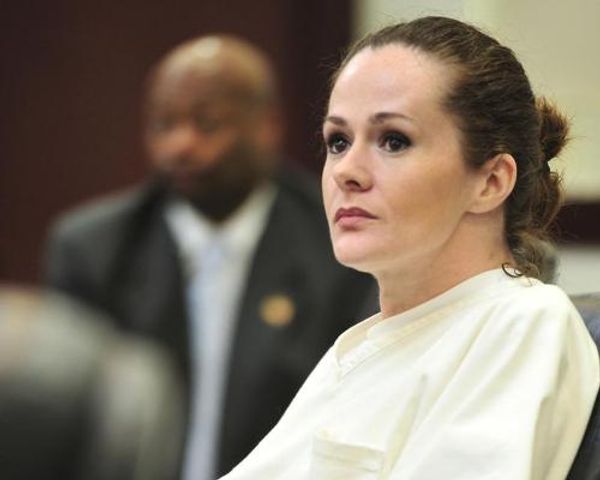
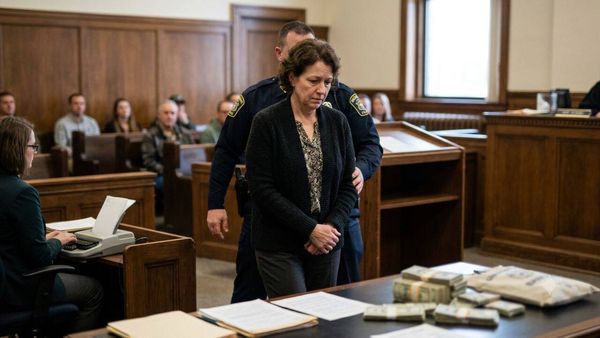
Jess Phillips has revealed she is a victim of the soaring crown courts backlog, with a man accused of breaching a restraining order not due to face trial until 2028.
The safeguarding minister said she will have to wait years to have her day in court as MPs voted in favour of sweeping reforms to tackle the crisis, including controversial plans to curb jury trials.

Speaking before a moving debate in the House of Commons, the Labour MP for Birmingham Yardley said the bill had her full support after her experience showed the court system is “broken”.
“I am a victim of the backlog, and I know what it feels like to be a victim of crime,” she told The Guardian. “I see the court system used to control victims all the time. It is a tactic that is well known among those who study stalking, and it has to change.”
Ms Phillips said she believed the alleged breach of the order should have been dealt with at a magistrates’ court and questioned why it had been sent to the crown court.
She added: “It’s OK for me. I’ve got extra security, I’ve got other safeguards.
“But imagine that was a breach of an order against a violent ex-husband, and it’s going to be heard in more than two years’ time. Are you joking? That’s absolutely mental.”
Justice secretary David Lammy’s reforms, which will remove the right to a trial by jury for crimes likely to receive a sentence of less than three years, have been met with fierce opposition from parts of the legal sector.
They are part of a package of measures to tackle the backlog of 80,000 crown court cases, which also include unlimited court sitting days and “blitz courts” to speed up the justice system, along with increased use of AI in courts.
Despite reports of a possible backbench rebellion, the reforms in the Courts and Tribunals Bill passed their first parliamentary stage on Tuesday evening.
The Commons voted 304 to 203 to pass the bill at second reading. Ten Labour MPs voted against it, while 90 had no vote recorded, according to parliament’s data. The bill will now move to committee stage, where MPs are expected to push for significant amendments.
Opening the debate, Mr Lammy had warned MPs of the “stark” choice as he argued “we cannot continue with this rising backlog”.
He added: “Victims are currently worn down, people simply give up, cases collapse and offenders remain free. Free to roam the streets, free to commit more crimes, free to create more victims.
“To restore swift and fair justice, we are pulling every lever available, investment is essential, modernisation is essential, and reform.”

However, Charlotte Nichols, Labour MP for Warrington North, accused Mr Lammy of using victims as a “cudgel” to push through reforms as she spoke publicly for the first time about being raped.
In a powerful speech, Ms Nichols said: “The government’s framing and narrative has been to pit survivors and defendants against each other in a way I think is deeply damaging.”
“I waited 1,088 days to go to court,” she told MPs. “Every single one of those days was agony, made worse by having a role in public life that meant that the mental health consequences of my trauma were played out in public, with the event that led to my eventual sectioning for my own safety still being something that I receive regular social media abuse from strangers about to this day.
“But here’s the kicker: in this debate, experiences like mine feel like they’ve been weaponised and are being used for rhetorical misdirection, for what this bill actually is.”
She added: “We have been told that if we have concerns about this bill, it is because we have not been raped or because we don’t care enough for rape victims. The opposite is true in my case; it is because I have been raped that I am as passionate as I am about what it means for a justice system to be truly victim-focused.
“It is because I have endured every indignity that our broken criminal justice system could mete out that I care what kind of reform will actually deliver justice for survivors and victims of crime more widely.”
Ms Nichols told MPs the man who raped her was acquitted in a criminal court, but she was given compensation after a civil case found she had been raped.

The reforms to jury trials follow two reports on the crisis by Sir Brian Leveson, a former senior judge. However, the government plans go even further than his recommendations, which suggested that less serious cases should be heard by a judge and two magistrates, rather than by judge alone.
This week, more than 3,200 legal experts, including leading lawyers and former judges, pleaded for the government to rethink the jury trial changes in an open letter.
However, a group of over 30 female Labour MPs also wrote to Mr Lammy, urging the government to remain steadfast in its modernisation of the court system.
Victims’ commissioner Claire Waxman urged MPs to listen to victims who have lost jobs, suffered severe declines in their mental health and attempted suicide while waiting years for their day in court.