
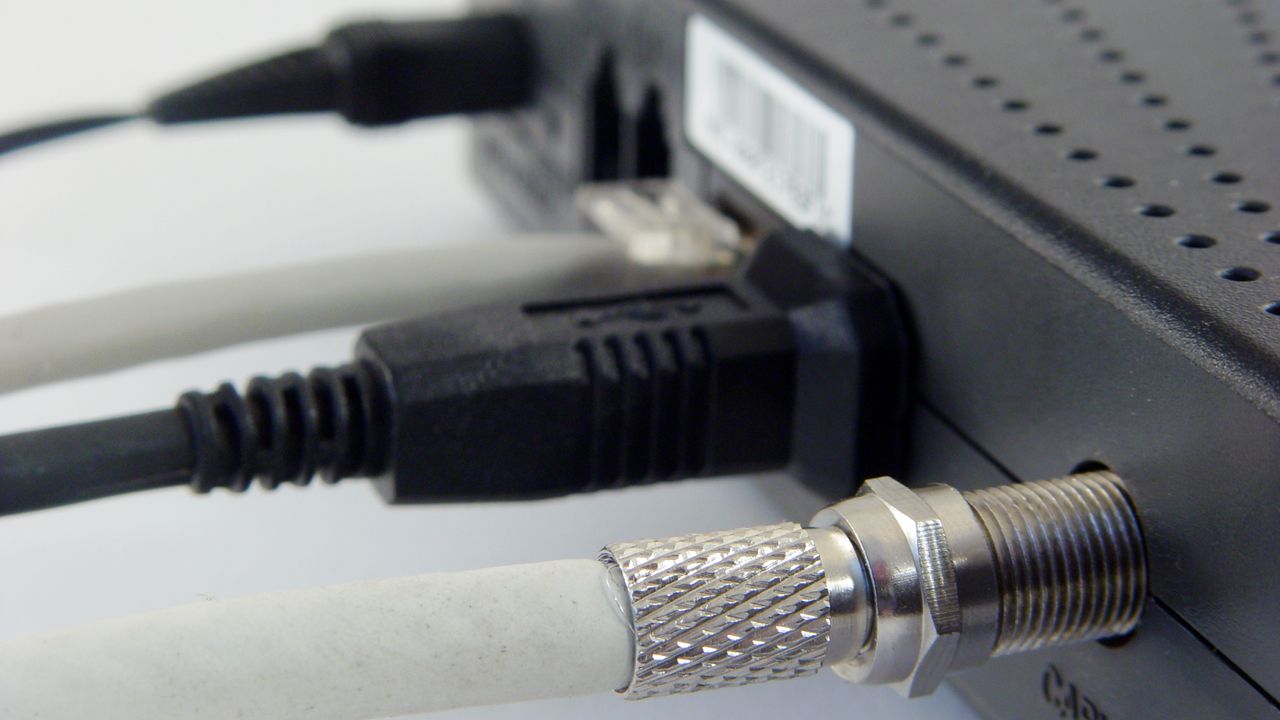
The German Koblenz Regional Court has banned 1&1 from referring to its fiber-to-the-curb (FTTC) service as fiber-optic DSL, because it still uses copper cables for the final stage of its connections, sometimes for up to a mile. According to the Federation of German Consumer Organizations [machine translated], users who visited the ISP’s website and checked connection availability would get a ‘1&1 fiber optic DSL connection available’ check mark, even if the entire line isn’t composed entirely of fiber optic cables.
However, the reality is that the fiber optic cables end at the distribution box, which is usually installed in the street for residential neighborhoods or at the service room of a multi-unit structure building. From there, the company uses copper lines to run directly into the homes of its subscribers and pairs it with vectoring connection technology that reduces interference between multiple connections that terminate at the box. This boosts the DSL speed up to 100mbps, giving subscribers the impression that they’re paying for and getting fiber optic internet, which is not the case. "However, the plans listed directly below the check results with the label "1&1 Fiber Optic DSL" were not fiber optic plans. In fact, they offered conventional DSL plans," the body explains.