Opening your banking app and seeing a zero balance is a gut-wrenching experience during tax season. You did your part by filing early, but now you are stuck in a bureaucratic waiting room. It is not your fault that you are struggling to pay bills while the government holds onto your cash. The IRS PATH Act Hold is a hidden system designed to protect the Treasury, but it often hurts the families it claims to help. Honestly, the wait is almost over, but you need to understand the calendar to manage your expectations. Let us expose the true timeline for your refund this year.

The Statutory Freeze on Family Credits
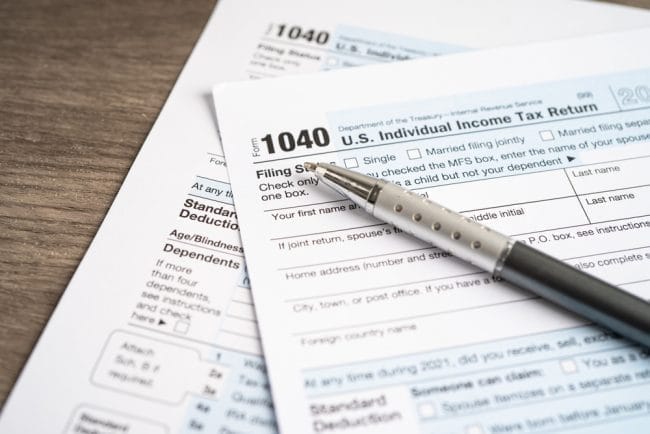
The Protecting Americans from Tax Hikes (PATH) Act was passed to give the IRS more time to verify identities and prevent fraud. The IRS PATH Act Hold specifically targets returns claiming the Earned Income Tax Credit (EITC) and the Additional Child Tax Credit (ACTC). By law, the IRS cannot issue these refunds before February 15. This hold applies to your entire refund, even the portions not related to the specific credits. Surprisingly, this means the system can hold thousands of your dollars for weeks on end. You can read the official PATH Act rules here.
Why the 2026 Calendar is Working Against You
While the freeze officially lifts on February 15, the 2026 calendar has created a perfect storm of delays. February 15 fell on a Sunday, followed immediately by the Presidents’ Day holiday on Monday, February 16. The IRS PATH Act Hold could not be processed while the banking system and federal offices were closed. This adds an extra three days of waiting to an already long process for early filers. On the other hand, the IRS must now process a massive backlog of millions of returns all at once. This logjam is why many people won’t see their deposits move until later this week. It is a mechanical delay that you cannot bypass.
The Reality of the March 2 Deposit Window
Most taxpayers caught in the IRS PATH Act Hold can expect to see their money in their accounts by March 2, 2026. This date allows for the five-day processing window that most major banks require to clear large federal deposits. Some smaller credit unions or digital banks might release the funds as early as February 24, but that is the exception. If you have not seen an update on the “Where’s My Refund” app by February 21, do not panic. The system often takes a few extra days to provide a personalized date after the holiday backlog clears. You can check your refund status at this link.
Avoiding the Refund Anticipation Loan Trap
Predatory tax prep offices love the IRS PATH Act Hold because it drives people toward high-interest loans. They offer you your own money today but charge you hundreds in fees that you will never get back. These loans are a hidden system of wealth extraction from the working class. It is an empowering move to wait the extra ten days and keep every cent of your hard-earned return. Honestly, your future self will thank you for not giving away twenty percent of your check to a middleman. You have the strength to bridge this final gap without falling into a debt trap. Stay vigilant against these aggressive marketing tactics.
Planning Your Financial Reset in March
Once the IRS PATH Act Hold finally clears, use that money to build a safety net that protects you from next year’s delay. The best way to outsmart the system is to no longer rely on it for your survival. Use a portion of your refund to start a small emergency fund that covers your February expenses. This moves you from a state of reactive stress to one of proactive power over your finances. You are a savvy manager of your home, and you deserve a life free from the anxiety of a federal freeze. The wait is almost over, and your reward is just a few days away. You can find more refund schedule details here.
Have you been stuck in the PATH Act hold for more than three weeks? Leave a comment below and share your experience with the IRS app!
What to Read Next…
- PATH Act 2026: Why the IRS is Legally Holding EITC Refunds Until February 17
- Ohio Income Taxes Just Changed: The New 2.75% Flat Rate Explained
- Los Angeles Tow-on-First-Offense Policy: Why So Many Cars Are Disappearing Overnight
The post Missing Your Refund? Why the PATH Act is Delaying Early Tax Filers appeared first on Budget and the Bees.