
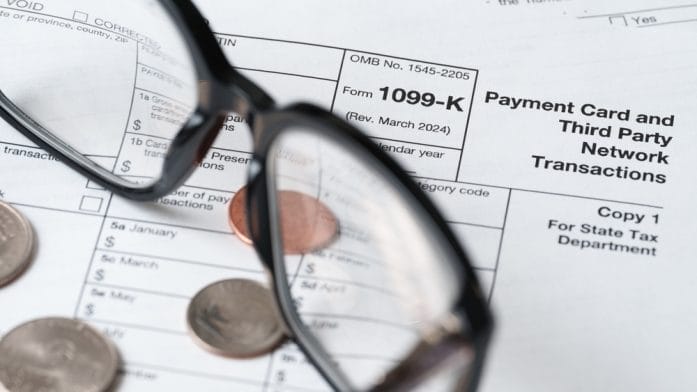
The IRS has been adjusting the 1099-K reporting rules for years, and 2026 was shaping up to be the moment when everything changed. After delays, phased rollouts, and more confusion than anyone asked for, this was the year when millions of Americans were going to make major tax changes. Whether you sell online occasionally, run a side hustle, or use payment apps for business, these rules were set to affect how your income was reported to the IRS.
The good news is that the 1099-K form is about business transactions, not personal ones. But knowing which payments fall into which category is where things get interesting.

The Threshold That Was Supposed To Take Effect
For years, the IRS planned to lower the 1099-K reporting threshold to $600 for business transactions processed through third‑party platforms. After multiple delays, the IRS announced a phased approach, and 2026 was the year the full $600 threshold was scheduled to apply.
However, recent legislation changed all of that. Instead of dropping down to $600, the threshold will now remain at $20,000 and 200 transactions. For many, that created a sigh of relief, but some confusion remains.
However, the fact remains: the IRS will issue a 1099-K to taxpayers who receive more than $20,000 in payments for goods and services and complete over 200 separate transactions on platforms such as eBay, PayPal, Venmo (business accounts), or other third‑party payment networks.
What Counts as a Reportable Payment
Remember, the 1099-K covers payments from online marketplaces, payment apps with business accounts, and platforms that handle transactions between buyers and sellers. So, if you sell handmade items, flip furniture, run a small online shop, or accept digital payments for freelance work, those payments fall under the 1099-K umbrella.
This does not apply to personal transfers between friends or family, like splitting a restaurant bill or sending a birthday gift. But for millions of Americans earning money through side gigs, online sales, or digital payment apps, understanding when a 1099-K is triggered can make tax season far less confusing.
If you use the same app for both personal and business transactions, it’s worth separating them into different accounts or categories. It keeps your records cleaner and reduces the chance of receiving a form that doesn’t reflect your actual taxable income.
Why Online Sellers Need to Pay Attention
Platforms like eBay, Etsy, Poshmark, and Mercari must issue a 1099-K when sellers exceed the reporting threshold for business transactions. If you sell items as a hobby or occasionally clear out your closet, the income may not be taxable if you sell items for less than you originally paid. But the platform may still issue a form if the transactions meet the reporting threshold.
This is where record‑keeping matters. The IRS taxes profit, not the original purchase price of personal items. If you sell a used laptop for $300 that you originally bought for $900, that’s not taxable income. But if the platform issues a 1099-K, you’ll want documentation showing the original cost to avoid confusion.
For people who run online shops or side businesses, the 1099-K simply reflects income that should already be reported. The form helps consolidate information, but it doesn’t change the underlying tax rules.
Gig Workers and Freelancers Aren’t Exempt
If you drive for a rideshare service, deliver food, walk dogs, or freelance through platforms that process payments, the 1099-K may apply. Some gig platforms issue 1099-NEC forms instead, depending on how payments are structured. The key is understanding that income from gig work is taxable regardless of which form you receive.
The 1099-K doesn’t replace your responsibility to track expenses. If you use your car for work, buy supplies, or pay platform fees, those costs may be deductible. Keeping receipts and mileage logs helps ensure you report net income, not gross payments.

The Importance of Categorizing Payments Correctly
Many people use payment apps casually without thinking about how transactions are labeled. But in 2026, categorization matters more than ever. Marking payments as personal when they are personal helps prevent unnecessary forms. Marking business payments correctly ensures accurate reporting.
Most apps now include clear options for tagging transactions. Taking a few seconds to categorize payments can prevent headaches during tax season. If you run a business, consider using a dedicated business account to keep everything clean and separate.
How to Prepare for 2026 Without Stress
The best preparation is organization. Keep records of what you sell, what you earn, and what you spend. Separate personal and business payments. Save receipts for items you resell. Track expenses if you run a side hustle. And review your payment app settings to make sure transactions are categorized correctly.
Because the proposed threshold changes didn’t go through, you don’t need to overhaul your life. Stick to what you were doing, but always be alert and prepared when tax season rolls around.
The Year to Get Ahead of the Rules
With proposed changes, reversals, and constant talk of more updates, no one can blame you for being confused. Understanding the rules gives you control, clarity, and confidence as taxes approach. When you know what counts as income and what doesn’t, you can navigate the year without surprises.
Are you planning to track your digital payments differently this year? Have you met that IRS threshold? Talk about it in the comments below.
You May Also Like…
The IRS Reporting Threshold Change That Just Created a Tax Risk for Millions in 2026
The Gig Economy Tax Nightmare: Why So Many Freelancers End Up Owing the IRS
9 Side Hustles That Sound Great but Are a Complete Waste of Your Time
The Income-Driven Repayment Plans That End July 1, 2028 Under New Law
Income Threshold: 4 Hidden Taxes That Hit Once You Cross Certain Limits
The post IRS 1099-K Rules in 2026: Who Must Report Payments This Year appeared first on The Free Financial Advisor.