Get all your news in one place.
100's of premium titles.
One app.
Start reading
The Economic Times
The Economic Times

Iran War Runtime: A day or two, a week, or a month? White House official says this

As the West Asia unrest nears almost five months, US President Donald Trump said on Thursday that he does not expect hostilities to get fired up again, though a report by Axios says the White House is leaving nothing to chance.

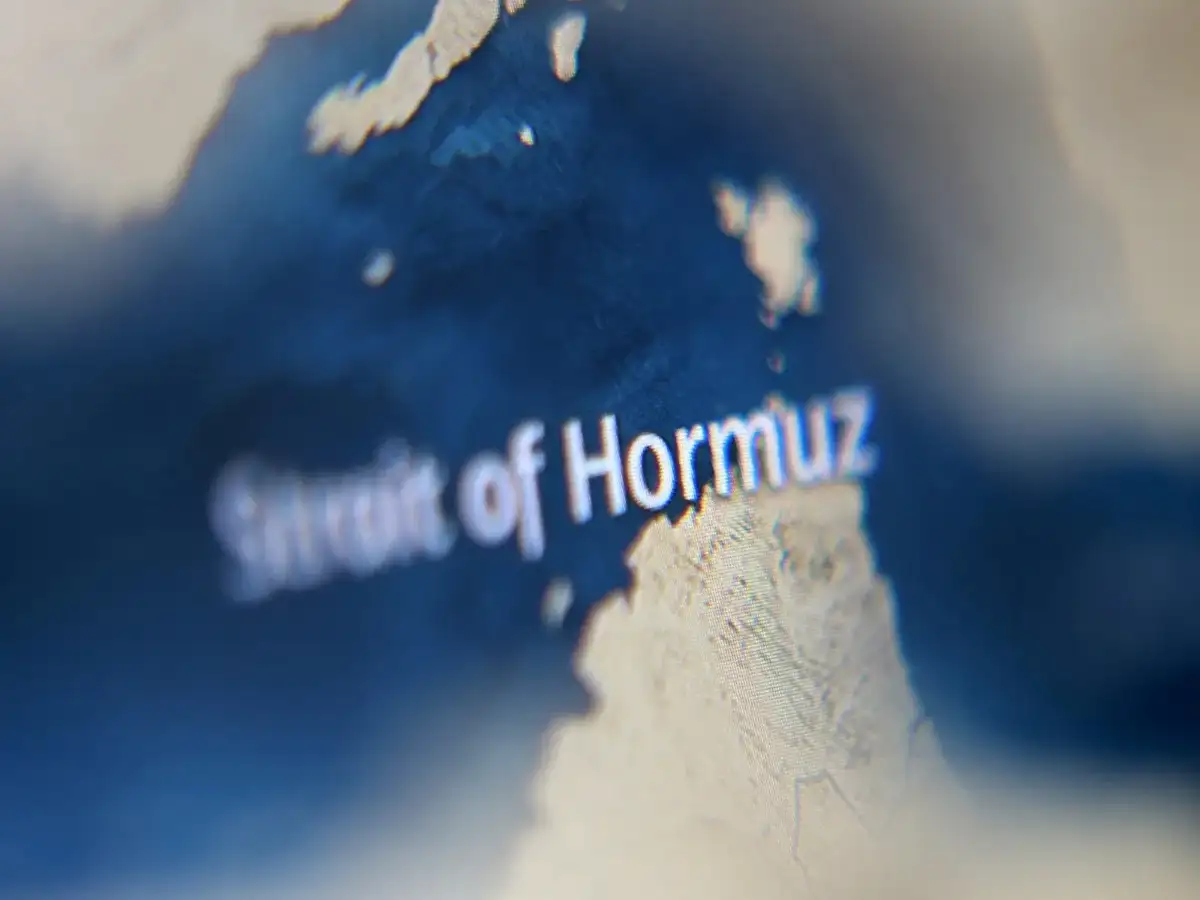
Quoting a US official, Axios reported that the Trump administration is preparing for a new round of "exchange of fire" that could drag on for days, or even weeks leading up to another month. The "multi-day" or "multi-week" strike, according to the news outlet, would most likely be over control of the Strait of Hormuz, that has remained a point of contention through the war and all efforts of, and negotiations around, peace.
However, US officials cited by Axios note that the ball is now entirely in Tehran's court. If Iranian forces continue targeting commercial shipping in the narrow waterway, Washington is prepared to intensify its military campaign.

Also Read | Trump says Iran war may not return & oil has little to fear

The report follows on the heels of an optimistic yet firm note from the two-time US President.

"I don't think it's going to start again," Trump said. "If they hit, we hit ten times harder. Anything that happens will get over very quickly, and we'll make things safer, even for oil. Oil is going to be very free, very easy."

The remarks marked a softer tone than earlier in the day, when Trump defended fresh US military strikes as "retribution" for what Washington said were Iranian attacks on commercial vessels in the Strait of Hormuz.

"This is in retribution for yesterday's bombing of ships by Iran. If it happens again, it will get much worse!" he had written on Truth Social.

Ceasefire unravels

US President Donald Trump declared on Wednesday that the 60-day ceasefire framework agreed under a memorandum of understanding had effectively collapsed and is now "over" after Iranian attacks on commercial vessels reignited hostilities.

The US swiftly responded with a fresh wave of strikes near the Strait of Hormuz, extending attacks to infrastructure targets inside Iran for the first time in months.

Also Read | Trump invokes 'retribution' to justify US strikes on Iran; warns Tehran 'much worse' yet to come

Tehra retaliated by launching attacks on US military bases in Kuwait and Bahrain, while insisting it would not surrender its influence over the strategic waterway.

However, even as military exchanges intensified, Trump hinted that diplomacy had not been completely abandoned.

Speaking aboard Air Force One a day earlier, he claimed Iranian officials had recently reached out seeking talks, though he openly questioned whether Tehran could be trusted to honour any agreement.

Meanwhile, Iranian authorities have not confirmed any such contact.

Tehran refuses to back down

Iran, on the other hand, has almost consistently struck a defiant tone accusing Washington of breaking promises and attempting to impose its will through military force.

Senior negotiator Mohammad Bagher Ghalibaf, among other Iranian leaders, has warned that the Strait of Hormuz would reopen only under "Iranian arrangements", and any other means to pass through would be met with action.

The warnings rang true after the International Maritime Organization suspended its rescue operation after a merchant vessel outside the UN-backed framework came under attack near Oman, raising fresh doubts over who could guarantee safe passage through the Strait of Hormuz.

The IMO had established two temporary evacuation corridors—one along the Iranian coast and another through Omani waters—to rescue thousands of stranded seafarers.

Ensuring uninterrupted navigation through Hormuz has become the Trump administration's overriding objective, not only for strategic reasons but also to prevent another shock to global energy markets.

For Iran, however, retaining influence over the waterway has emerged as its strongest bargaining chip.

The dispute traces back to the memorandum of understanding between the two countries. While the agreement called for safe passage of commercial vessels, Tehran later accused Washington of violating its terms by rerouting ships through a southern corridor near the Omani coast without Iranian approval.

That disagreement has now become one of the biggest flashpoints in the collapsing deal.

Despite the latest escalation, US officials say hundreds of oil tankers have continued to move through the Strait of Hormuz in recent weeks, easing fears of an immediate disruption to global crude supplies.

That has given the White House greater confidence that it can sustain military pressure without triggering a full-scale energy crisis.

Sign up to read this article
Read news from 100's of titles, curated specifically for you.
Already a member? Sign in here
Related Stories
Top stories on inkl right now
One subscription that gives you access to news from hundreds of sites
Already a member? Sign in here
Our Picks
Fourteen days free
Download the app
One app. One membership.
100+ trusted global sources.