Following joint attacks by the United States and Israel on Iran on February 28, the country has come under repeated strikes. These attacks, which were ostensibly supposed to target Iran’s nuclear and missile capabilities, have also caused civilian casualties and damage to cultural sites.
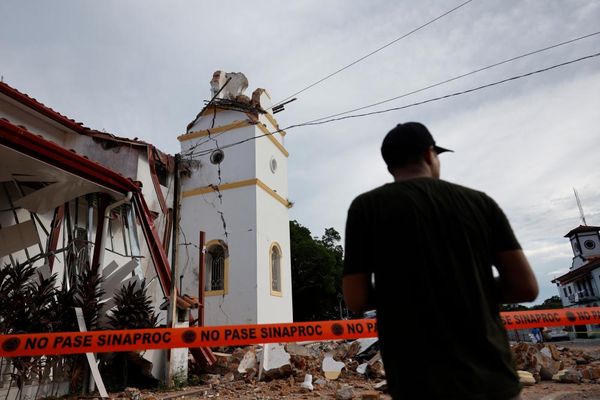
Airstrikes near historic districts in Tehran and Isfahan have damaged monuments that have survived for centuries. The losses highlight how war can endanger not only lives but also the historical memory embedded in cities and landscapes. As an Iranian art historian, watching these events unfold in my country is deeply and doubly painful.
Iran contains one of the world’s richest concentrations of historic architecture and urban heritage. The country has 29 Unesco world heritage sites, spanning more than two millennia, from ancient imperial capitals to Islamic urban ensembles and desert cities. Yet monuments that have survived centuries of invasions, political upheaval and regime change remain vulnerable in modern conflict. Even when heritage sites are not deliberately targeted, nearby explosions, fires and shockwaves can damage fragile masonry, glazed tiles and decorative interiors.