The United States launched a fresh wave of military strikes against Iran, reports said on July 9, marking another sharp escalation in the conflict centred on the strategically vital Strait of Hormuz after President Donald Trump indicated that a temporary understanding between Washington and Tehran had effectively collapsed.
The latest military action came within hours of Trump's remarks that he no longer considered the interim arrangement with Iran to be workable, raising fresh uncertainty over the future of diplomatic efforts that had briefly eased tensions in the region.

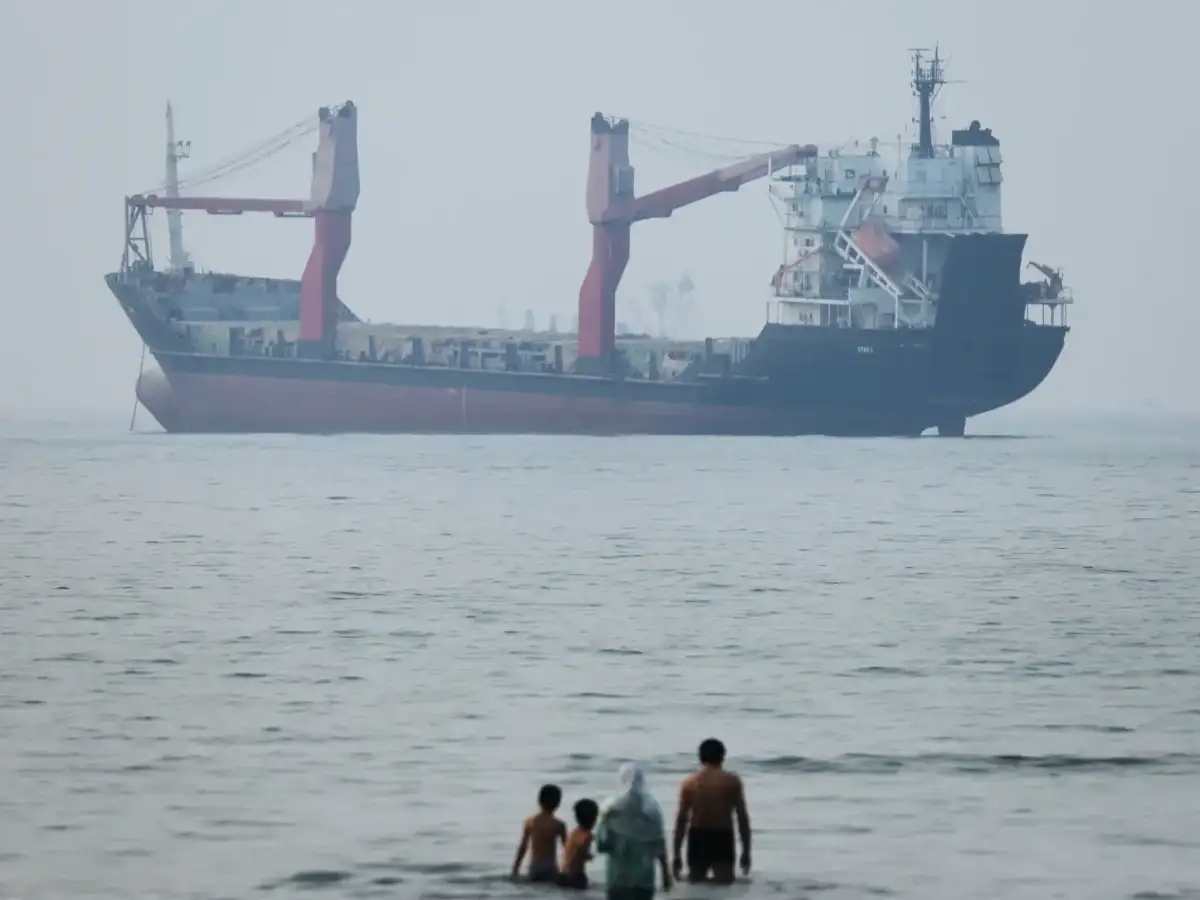
The U.S. military said the strikes were intended to weaken Iran's ability to threaten commercial navigation through the Strait of Hormuz after three cargo vessels were attacked while transiting the waterway on Tuesday. Washington blamed Tehran for the latest maritime incident and maintained that the action was necessary to safeguard one of the world's busiest energy shipping routes.
Also read | Trump’s Iran ceasefire was built to fail
The U.S. Central Command said operations were aimed at preserving freedom of navigation and ensuring the security of civilian shipping and international trade through the narrow passage, which carries nearly one-fifth of global oil supplies. Although Iran has not publicly acknowledged involvement in the attacks on the merchant ships, Western officials and several regional analysts believe such incidents are often used by Tehran to strengthen its bargaining position during periods of heightened negotiations with Washington.
The renewed military exchanges have dealt a major setback to hopes that the memorandum of understanding signed on June 17 could evolve into a broader political settlement. That temporary agreement had raised expectations that the conflict, which began following U.S.-Israeli air strikes on Iran on February 28, could gradually move towards de-escalation.
Instead, both sides have intensified military activity over the past 24 hours.
Also read | Are US-Iran headed back to war? What next after Trump's new threats
Iran announced that it had carried out strikes against U.S. military facilities in Bahrain and Kuwait, describing the attacks as retaliation for earlier American operations. The exchange has heightened concerns that the confrontation could widen across the Gulf, where several countries host U.S. military installations.
Speaking ahead of a NATO summit in Turkey, Trump suggested that the temporary understanding with Tehran had run its course and expressed little confidence in the prospects of a durable agreement. He also questioned whether any future deal would prove reliable, reflecting growing scepticism within his administration about the effectiveness of negotiations.
At the same time, Trump stopped short of predicting a return to full-scale war, indicating that while tensions remained elevated, it was still unclear whether diplomatic engagement would resume in the coming weeks.
Meanwhile, reports from Iran pointed to fresh explosions across several locations along the country's southern coastline. State media said blasts were heard in Bandar Abbas, Chabahar and Konarak, while electricity supply was disrupted in parts of Chabahar following the attacks.
Iranian media affiliated with the country's security establishment also reported that military planners were preparing a significantly larger retaliatory operation targeting U.S. military bases across the region, signalling that further escalation remains a distinct possibility.
The developments have once again placed global energy markets on alert, with the Strait of Hormuz remaining at the centre of geopolitical tensions. Any prolonged disruption to shipping through the narrow waterway could have significant implications for crude oil supplies, freight costs and inflation, prompting governments and businesses worldwide to closely monitor the evolving conflict.