
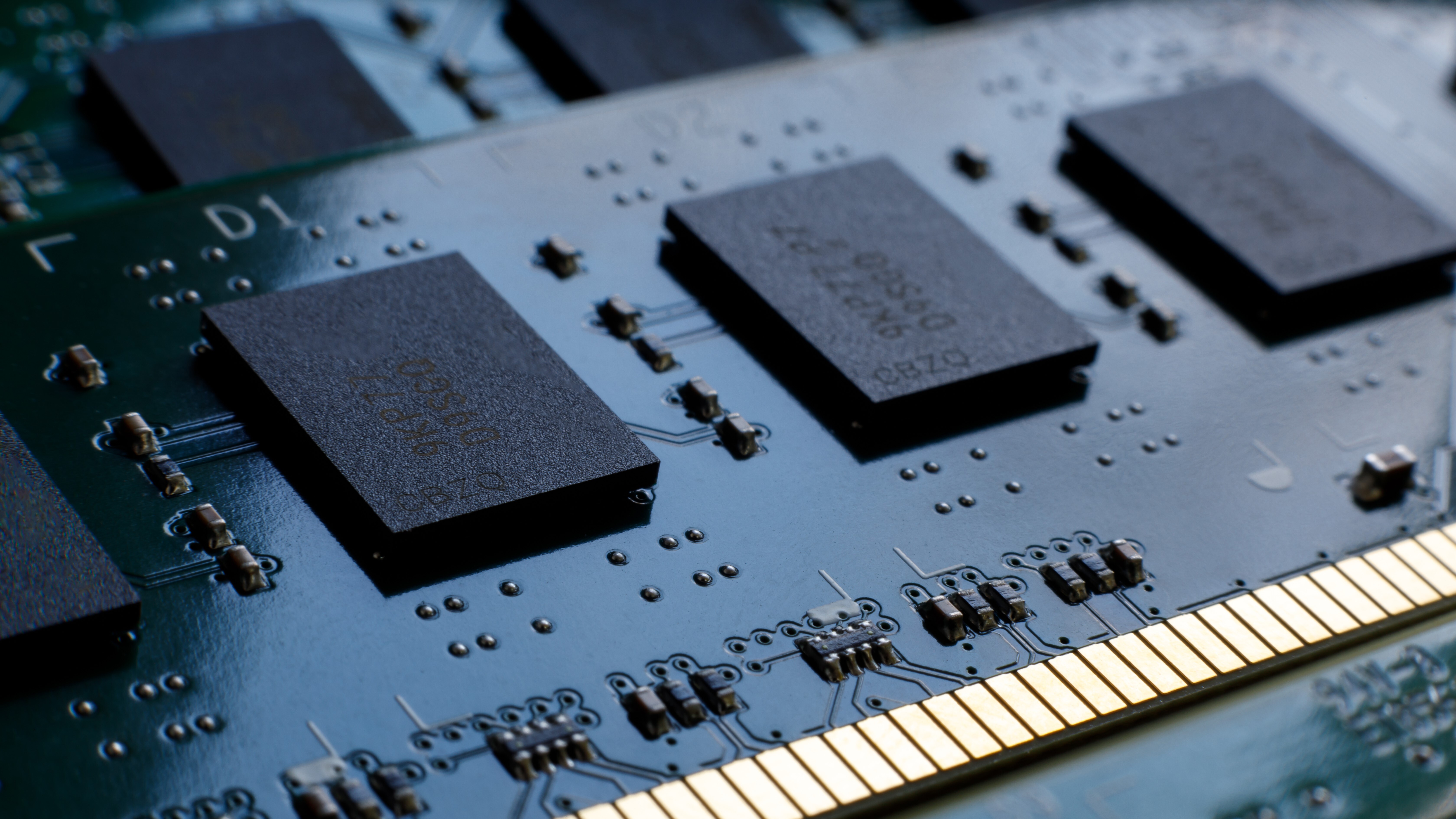
American chip giant Intel has partnered with Japanese tech and investment powerhouse SoftBank to build a stacked DRAM substitute for HBM. According to Nikkei Asia, the two industry behemoths set up Saimemory to build a prototype based on Intel technology and patents from Japanese academia, including the University of Tokyo. The company is targeting a completed prototype and mass production viability assessment by 2027, with an end goal of commercialization before the end of the decade.
Most AI processors use HBM or high-bandwidth memory chips, which are perfect for temporarily storing the massive amount of data that AI GPUs process. However, these ICs are complex to manufacture and are relatively expensive. Aside from that, they get hot pretty quickly and require relatively more power. The partnership aims to solve this by stacking DRAM chips and then figuring out a way to wire them more efficiently. By doing so, the stacked DRAM chip’s power consumption is halved versus a similar HBM chip.














