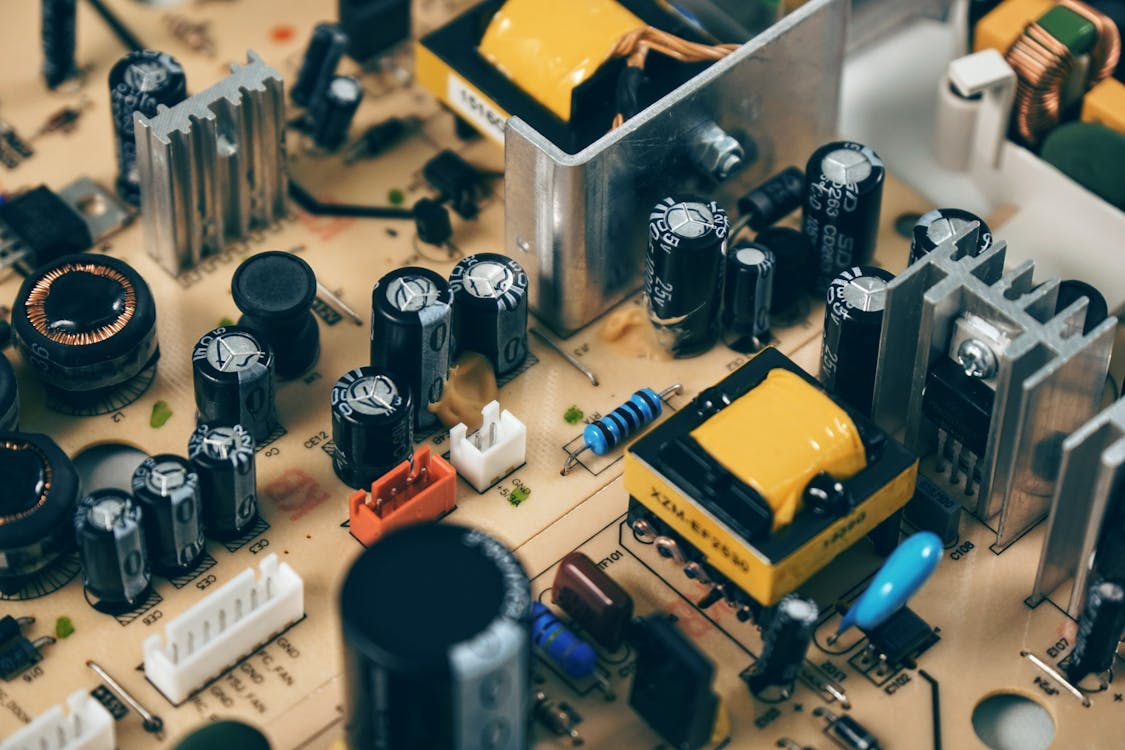
Even the smallest ripples can make an impact on the upcoming tech wave. On account of their size, it’s easy to overlook the significance that components have on up-and-coming technology such as smart devices, renewable energy solutions, and robotics.
However, these electronic parts make up the foundations of new tech and therefore have to be equally as innovative.
What is the Current State of the Global Electronic Components Market?
Currently, there is a surge in demand for components, particularly semiconductors and microcontrollers, for use in emerging technologies. So much so that they are becoming akin to a form of currency, with excess electronic components buyers purchasing any surplus stock from manufacturers.
These buyers contribute to the current state of the global electronic components market, ensuring that components are distributed where they are needed. This also means that unused parts are not left lying around, taking up valuable warehouse space.
Top Trends Shaping the Next Tech Wave
It’s safe to say that the future is bright for electronic components and their place in the next wave of new technologies. Let’s explore a few of their applications over the coming years.
IoT and Smart Devices
The equipment we use every day within the home and work environments is becoming increasingly interconnected. The Internet of Things and smart devices are making changes to the way we live our lives.
No longer do we have to wait until we get home to switch on the heating. While still on the commute home, we can warm up our homes ready for when we step through the front door. IoT and smart devices are making the most out of every second of our modern lives.
As IoT and smart devices continue to expand their applications, sensor technology will evolve to become more accurate and capable of receiving and translating complex data. Therefore, the demand for such sensors and auxiliary components will rise.
Smaller and Lighter
Tied in with the theme of smart devices such as wearables, there is a call for the miniaturization of components. When you think about wearables like smart glasses, watches, and rings, lightness is a major selling point.
For example, a runner tracking their performance won’t want tech that weighs them down. So, the components that make up the fitness tracker need to be small and light enough to ensure that the overall product is almost weightless.
Sustainable Energy Technologies
As well as wanting our technology to talk to each other, and to be small enough to fit in a pocket, sustainability is another key issue that influences today’s technological trends. With a shift away from fossil fuels, cleaner, renewable sources are available to fill the gap.
That’s all well and good for planet Earth, but what does this mean for the future of the global electronic components market? Industry predictions suggest that the relationship between the electronic components market and sustainable energy technology is set to grow stronger.
To utilize green energy to its fullest, a wide range of components is required. From inverters that facilitate the conversion of direct current to alternating current in solar panel systems, to isolator switches on wind turbines as a safety precaution, the need for specific electronic components will only intensify in the sustainable energy technologies sector as we head into the future.
Robotics and Automation
Some argue that we are far from having our own personal helper robot at home. However, robotics and automation are already being implemented on a broader scale across industries. While not quite so obvious as sci-fi films would have you imagine, robotics and automation are having a significant effect on improving workflows and efficiency in manufacturing and beyond.
To enable robots to aid their human counterparts and perform their tasks on production lines, high-quality components such as motors and sensors are necessary. The components market will have to keep close tabs on developments in robotics and automation to ensure that it can support these new systems and ways of working.
Market Challenges to Watch Out For
While their uses are unquestionably varied, there are potential challenges that could throw a spanner into the works for the global electronic market. The first being, supply chain disruptions caused by, as we’ve most recently experienced, pandemics and political tensions. These could result in delays and increased costs, which in turn would affect budgets and timelines.
Secondly, environmental restrictions could impact the manufacture of electronic components. Specifically, the creation of batteries using mined substances such as lithium and cobalt requires invasive extraction processes and has serious ecological impacts.
The key is to stay on top of the trends whilst also being aware of the challenges that may be on the horizon. By carefully balancing this awareness of where the future of the electronic components market is headed, with preparedness for potential pitfalls, manufacturers and distributors can successfully help shape the next tech wave.