Get all your news in one place.
100's of premium titles.
One app.
Start reading
The Economic Times
The Economic Times

India-Israel investment agreement in force: Modi, Netanyahu discuss enhanced bilateral ties

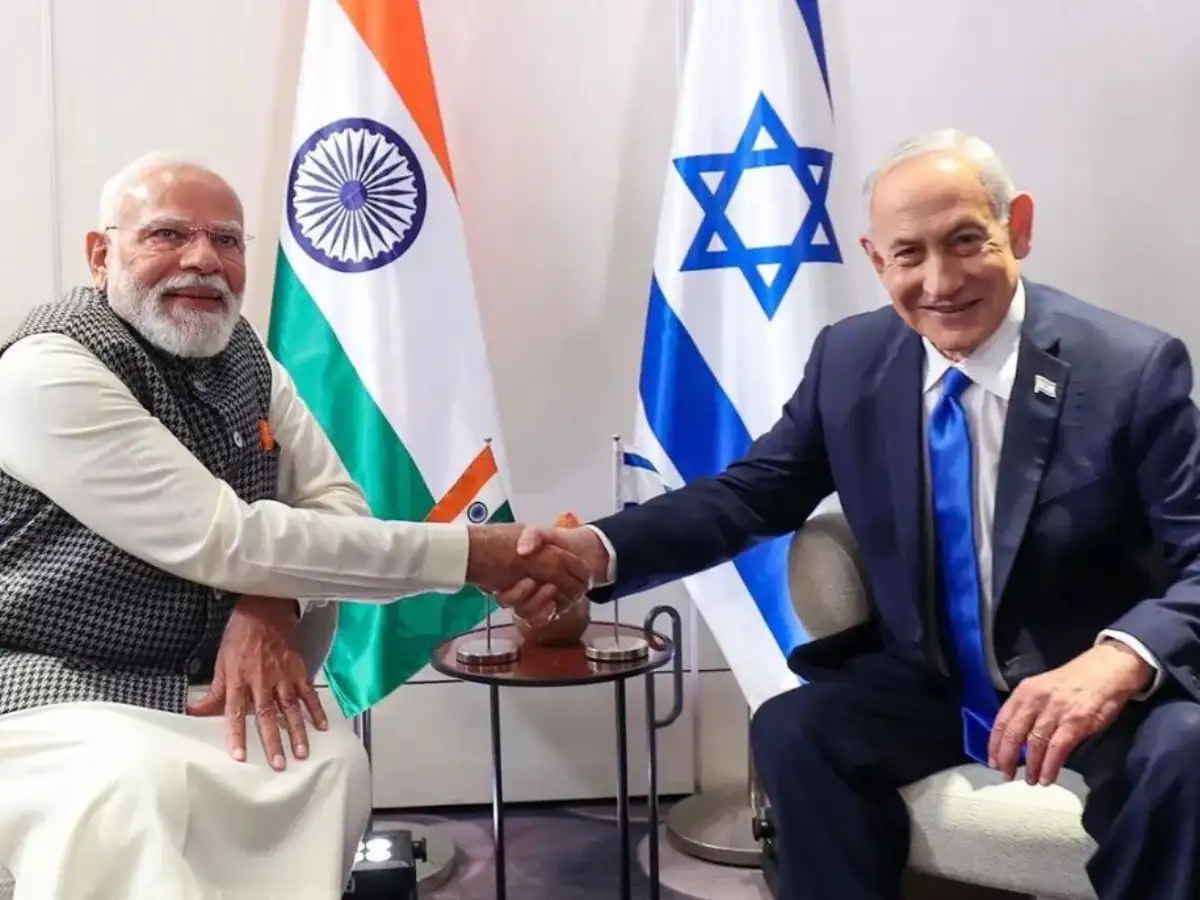
Prime Minister Narendra Modi, in a telephone call with Israeli PM Benjamin Netanyahu, reviewed the sustained progress in India-Israel Special Strategic Partnership

The telephonic conversation comes in light of a bilateral investment agreement between India and Israel that came into force on Saturday, which claims faster dispute resolution and stronger investor protection whilst preserving sovereign policy-making space for the partner nations.
The deal is expected to improve investment between the two countries, which currently stands less than $1 billion.

Read more: India, Israel conclude second round of trade pact negotiations

The agreement, which was signed in September 2025, allows investors at least three years to exhaust domestic legal remedies for dispute settlement before initiating international arbitration.

Although India’s 2016 model bilateral investment treaty text stipulates a five-year local remedy period, the government has relaxed its provisional constraints for partner nations, such as the UAE and now Israel.

The agreement text was made public on Saturday.

The conflict in West Asia is continuing for over five months now without any permanent solution.

Read more: India-Israel investment pact comes into effect

During the conversation, the two leaders reaffirmed their commitment towards strengthening bilateral cooperation across various sectors.

In light of the developments in West Asia, the two leaders exchanged their views on the situation.

Iran said on Thursday that it is in the final stage of drafting an agreement with Oman on the Strait of Hormuz. Meanwhile, The Israeli military reported the deaths of two Israeli soldiers—the first incident since the agreement with Hezbollah in June—due to an explosion in southern Lebanon Israel's military said Thursday.

The Strait of Hormuz is a crucial artery of global commerce and energy supply. Around one-fifth of the world's oil and natural gas would pass through the waterway at the mouth of the Persian Gulf, before the beginning of the conflict in February.

The two leaders have agreed to remain in touch.

Sign up to read this article
Read news from 100's of titles, curated specifically for you.
Already a member? Sign in here
Related Stories
Top stories on inkl right now
One subscription that gives you access to news from hundreds of sites
Already a member? Sign in here
Our Picks
Fourteen days free
Download the app
One app. One membership.
100+ trusted global sources.