Get all your news in one place.
100's of premium titles.
One app.
Start reading
The Times of India
The Times of India
World
TOI World Desk

In Yellowstone, willows grew from 92 cm to 192 cm after wolves returned, while rewilding examples in the UK and India suggest ecosystems can recover with protection

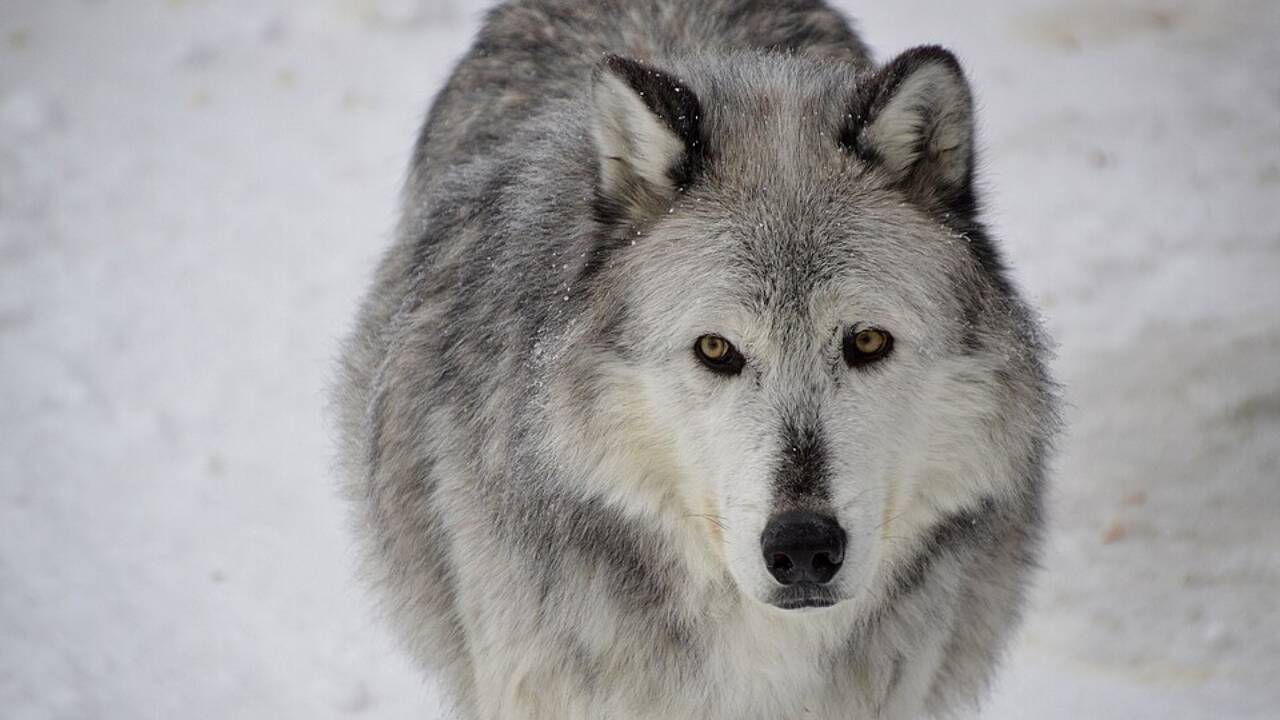
When grey wolves returned to Yellowstone National Park in 1995-96 after a 70-year absence, scientists expected a reduction in elk numbers; however, what they didn’t expect was the recovery of vegetation that followed. According to a 2025 synthesis published in Global Ecology and Conservation , average willow height on Yellowstone’s northern range increased from 92 cm in 2001 to 192 cm in 2020, while willow crown volume expanded by approximately 1,500%. Notably, researchers argue that the recovery represents a strong documented trophic cascade, underscoring how restoring a top predator can reshape an ecosystem from the top of the food chain to plants growing along streams.

Get breaking news anytime, anywhere. Download the TOI app now!

Yellowstone’s wolves transformed more than elk

According to the 2025 Global Ecology and Conservation study, wolves reduced browsing pressure by elk, thus allowing riparian willows to recover after decades of suppression. As shrubs and trees grew taller, they provided better shade for streams, increasing nesting habitat for birds and improving riverbank stability. Furthermore, the study estimated that average willow crown volume rose from 0.3 cubic metres to 4.8 cubic metres over two decades, which placed Yellowstone’s cascade above around 82% of plant responses reported in a global meta-analysis of trophic cascades. Notably, previous research by the U.S. Geological Survey and collaborating scientists had already noted that willow recovery was influenced by several factors like water availability and local environmental conditions.

The Yellowstone story has become a flagship example of rewilding, the restoration of natural ecological processes by allowing native species to reclaim their roles. According to the U.S. Geological Survey , climate, groundwater conditions and changing herbivore populations influenced willow growth in Yellowstone. Notably, long-term monitoring showed that predator restoration played a critical role in reducing browsing pressure and enabling riparian vegetation to recover at many sites across the northern part of the National Park.

Rewilding has gathered momentum beyond the United States

Yellowstone is not the only place where ecosystems have rebounded after ecological restoration. According to research on rewilding in the English uplands, reducing intensive sheep grazing has helped native trees and shrubs to recolonise former pasture naturally. Researchers from the University of Leeds found that removing grazing pressure can relatively accelerate woodland regeneration, thus creating habitats that support birds, insects and other wildlife while storing more carbon to improve soil health. Notably, these findings are increasingly shaping discussions about landscape restoration across the United Kingdom.

Meanwhile, India is also embracing large-scale ecological restoration. As per several studies, projects that restore native forests, reconnect fragmented habitats and strengthen protection for wildlife have demonstrated that degraded landscapes can recover when natural ecological processes are allowed to return. Notably, scientists have observed that India’s restoration efforts increasingly combine habitat protection with community participation, thereby recognising that biodiversity conservation and human livelihoods should often advance together. While every landscape responds differently, the common lesson from Yellowstone, the UK and India is that ecological recovery is possible when long-term conservation replaces short-term exploitation. The three case studies show that rewilding is about restoring ecological relationships, not just bringing back individual species. Together, these examples suggest that if given time and protection, nature can recover far more quickly than once thought, thus offering hope for biodiversity conservation in an increasingly human-dominated world.

Sign up to read this article
Read news from 100's of titles, curated specifically for you.
Already a member? Sign in here
Related Stories
Top stories on inkl right now
One subscription that gives you access to news from hundreds of sites
Already a member? Sign in here
Our Picks
Fourteen days free
Download the app
One app. One membership.
100+ trusted global sources.