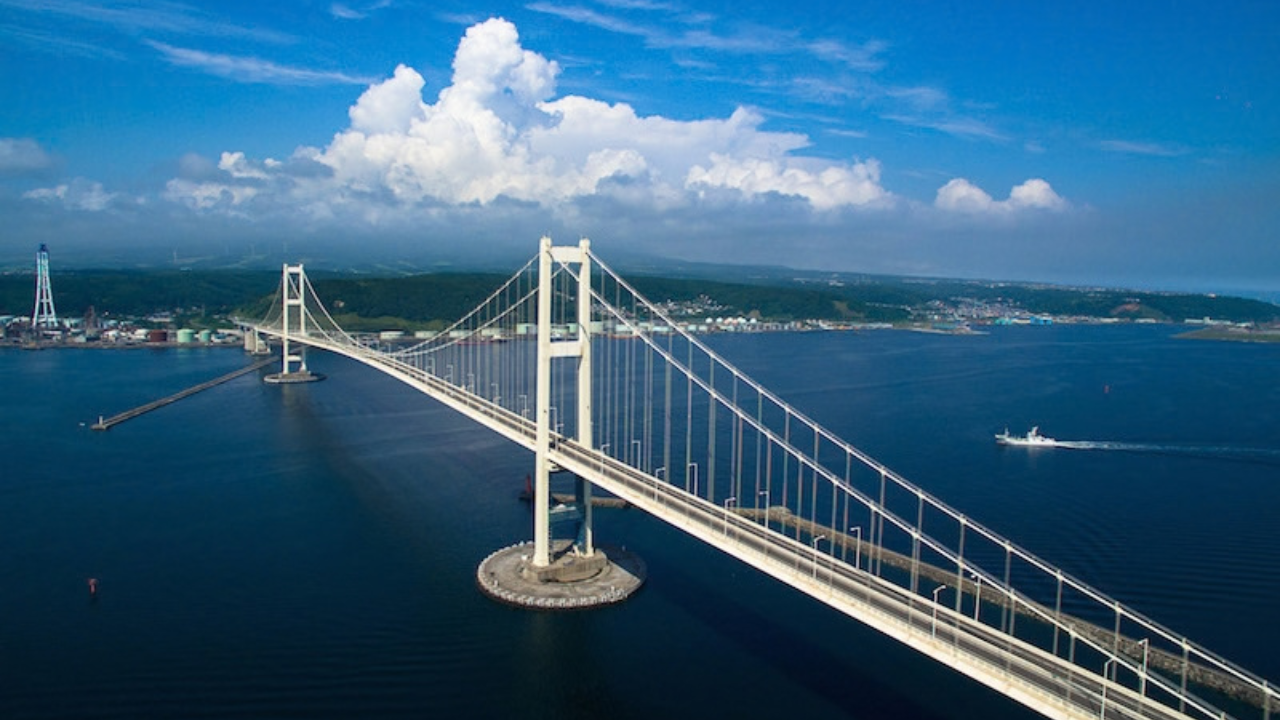
When engineers in Japan began work on the Hakucho Ohashi Bridge in Hokkaido in the 1980s, they faced an unusual problem beneath the water. The foundations for the bridge's two main towers had to be built on a soft seabed about 14 to 17 metres underwater. Instead of filling the construction area with conventional sand or soil, engineers developed a self-hardening slurry made partly from coal fly ash, an industrial waste product. The material was placed underwater inside steel cofferdams to create artificial islands that became working platforms for the bridge's tower foundations. The unusual approach reduced pressure on the cofferdams while allowing the material to harden underwater. The bridge opened in 1998, and subsequent research found that the coal-ash material continued gaining strength for more than a decade.
Get breaking news anytime, anywhere. Download the TOI app now!