Although hydrogen is known as the fuel of the future, currently the majority of hydrogen is being produced through a technology that only makes the problem even worse. The U.S. Department of Energy's overview of hydrogen production from natural gas reforming puts the figure at more than 95% of hydrogen produced worldwide today being made through steam methane reforming, a process responsible for large amounts of carbon dioxide emissions. At the same time, another technology, which can produce hydrogen by using water electrolysis and renewable energy, is much too expensive to compete. The inability of the hydrogen industry to balance between the demand for this fuel and the expenses connected with its production is one of the reasons why this industry is looking for some other alternatives.
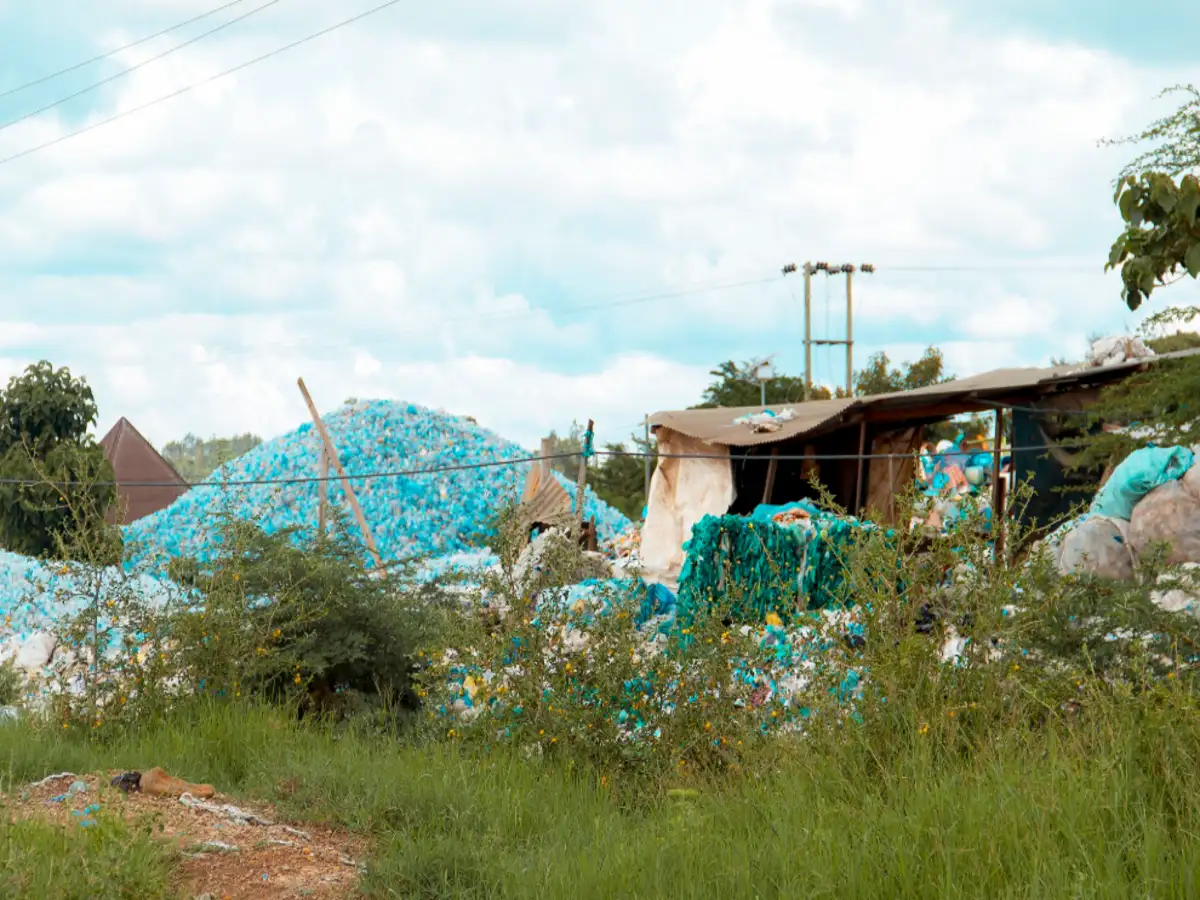
Chemists at Rice University have developed an innovative solution to this contradiction, using an unexpected raw material: plastic waste found in landfills. Instead of considering this waste simply as something that needs to be disposed of, the scientists turned this plastic into raw material, obtaining hydrogen gas and graphene from it and light hydrocarbons as by-products, without having to clean or sort it.