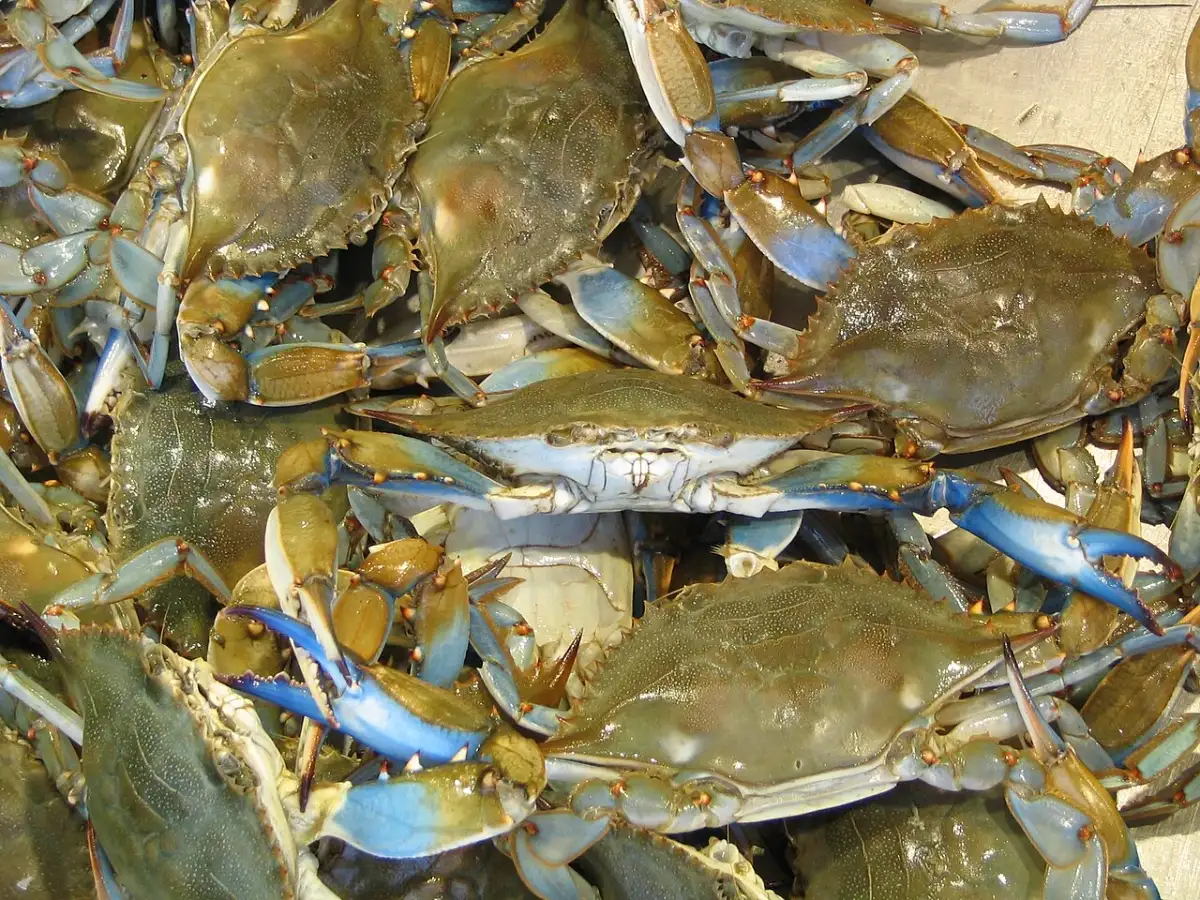
People often throw crab and prawn shells straight in the trash without thinking about them. But these shells may have more uses than many people realize. A 2022 study published in Matter, titled A sustainable chitosan-zinc electrolyte for high-rate zinc-metal batteries , developed a zinc-metal battery using a biodegradable chitosan electrolyte derived from crustacean shells. The battery recorded 99.7% energy efficiency after 1,000 cycles.
A battery that could power the future

Crab, prawn and lobster shells contain chitin, which can be processed into chitosan. The researchers used chitosan to create a biodegradable gel electrolyte for their zinc battery. In a separate biodegradation test, they found that about two-thirds of the battery's components could be broken down by microbes, while the chitosan portion decomposed completely in about five months. The finding does not mean the entire battery would disappear after five months in normal conditions, but it does show the potential for making some battery materials more biodegradable.
Once the chitosan breaks down, the remaining metal component is zinc rather than lithium or lead. Zinc is more abundant in the Earth's crust than lithium, although their crustal abundances are relatively similar. Zinc-based batteries are also being explored because of their potential cost and safety advantages over some lithium-ion systems. Pairing a biodegradable electrolyte with a zinc-based battery could therefore offer one possible route towards reducing the environmental burden of some battery materials.