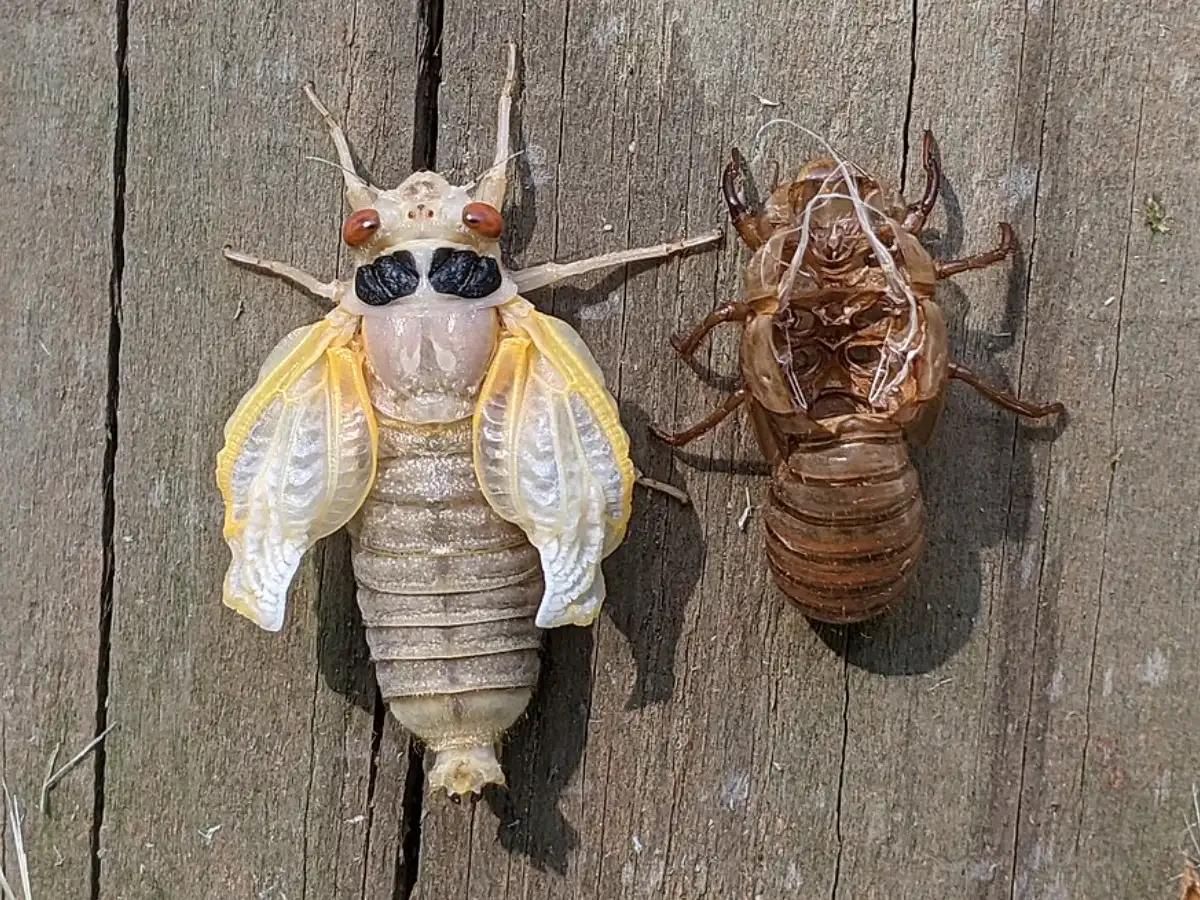
In spring 2021, billions of cicadas broke through the soil all at once in 15 states across the US. By May 17 that year, 125,000 people had downloaded Cicada Safari, a free smartphone app designed to track the event, and had already submitted more than 50,000 photos and videos. According to Gene Kritsky's own account of the emergence, published in American Entomologist, this was the 19th recorded occurrence of this particular brood since its first documented sighting in 1715, though the "Brood X" name itself is more recent, dating to a Roman-numeral classification system entomologists introduced in the late 1800s. That long-running tradition continued in 2021, but the tool people used to document it changed.
What is Brood X and why did everyone care?
Brood X cicadas spend 17 years underground before emerging together, mating, singing, and dying within a few weeks. The first written report of this brood is from 1715, when a Philadelphia pastor named Andreas Sandel noted the emergence in his journal, Kritsky’s paper says. The study also points out that people have been crowdsourcing the tracking of these cicadas for longer than most people realize; it credits Gideon B. Smith with collecting public sightings as far back as 1851. The 2021 emergence was a rare chance to witness Brood X, which will not emerge again until 2038.