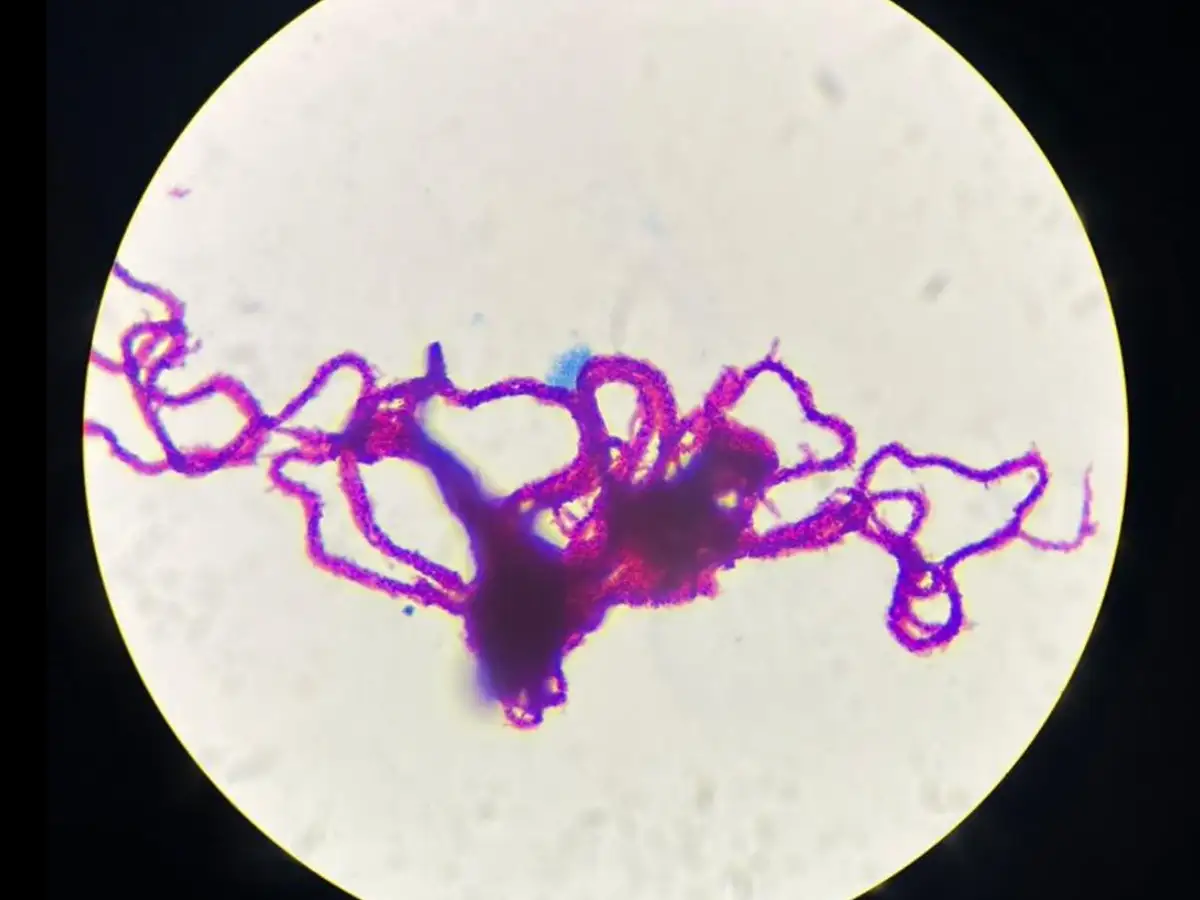
Medical discoveries are usually seen as something that happens in high-security laboratories, where trained scientists wearing white lab coats make all critical decisions. Instead of diagnosing patients or working with harmful bacteria, they analyzed pictures of laboratory experiments and answered a simple question: Had the bacteria grown, or had the medicine stopped them? Their combined responses helped researchers to analyze one of the most serious infectious diseases in the world. A 2022 study published in eLife compared volunteer classifications with expert assessments to examine whether crowdsourcing could support tuberculosis drug-resistance research.
Turning a complex laboratory task into a simple online challenge