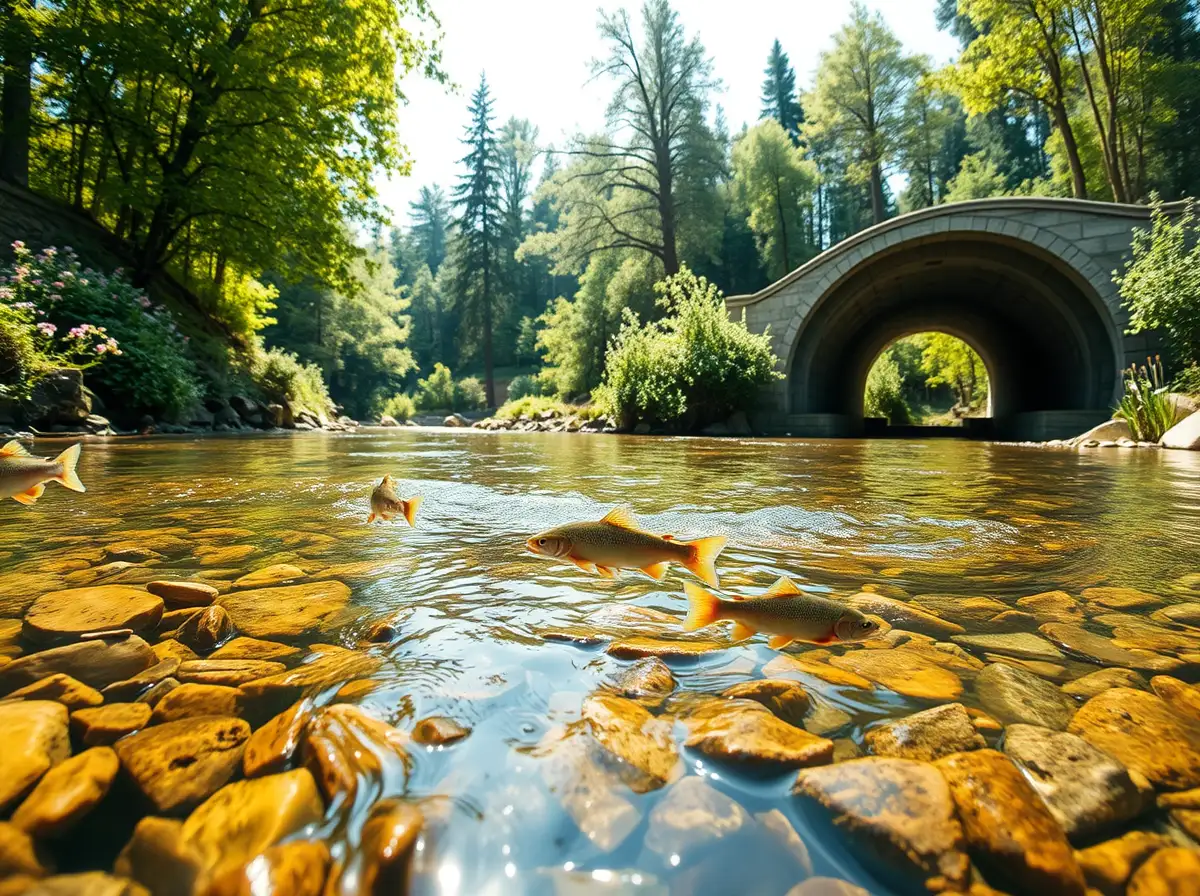
In 2018, a series of stream and culvert investments in Cortland County, New York, demonstrated how targeted environmental infrastructure can produce measurable improvements for aquatic ecosystems. Three projects supported through county and state water-quality efforts ultimately helped transform locations classified as severe barriers to fish passage into sites considered insignificant barriers five years later. The change highlights an important environmental lesson: repairing infrastructure that crosses waterways can benefit not only roads and communities, but also fish, wildlife and the health of entire stream systems. The project record offers a compelling example of how relatively focused restoration work can create long-term ecological gains.
Culverts are easy to overlook because they are generally associated with roads, drainage and transportation rather than wildlife. Yet a poorly designed, undersized or deteriorating culvert can dramatically alter a stream. Fast-moving water, excessive drops at outlets, shallow flow, accumulated sediment or inadequate passage space can prevent fish and other aquatic organisms from moving between upstream and downstream habitats. When several barriers occur within the same watershed, the cumulative effect can fragment habitat and limit access to feeding, spawning and shelter areas. Improving these crossings therefore becomes an important part of restoring aquatic connectivity.