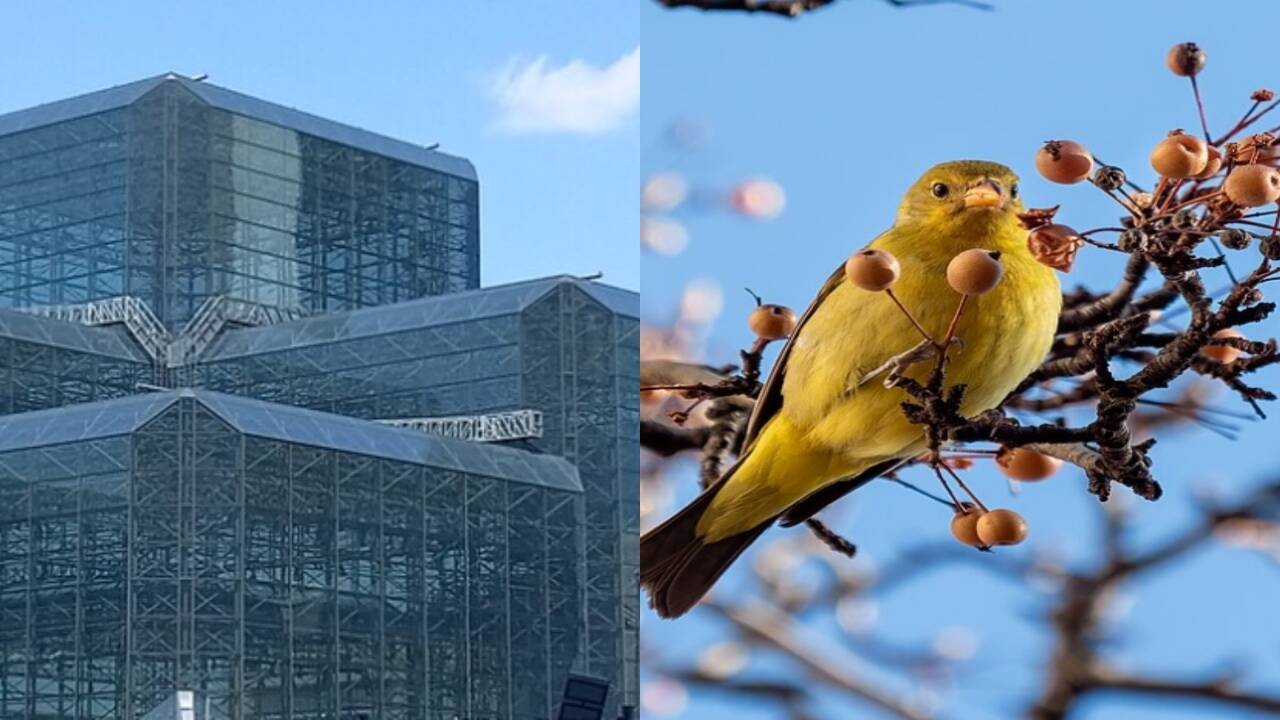
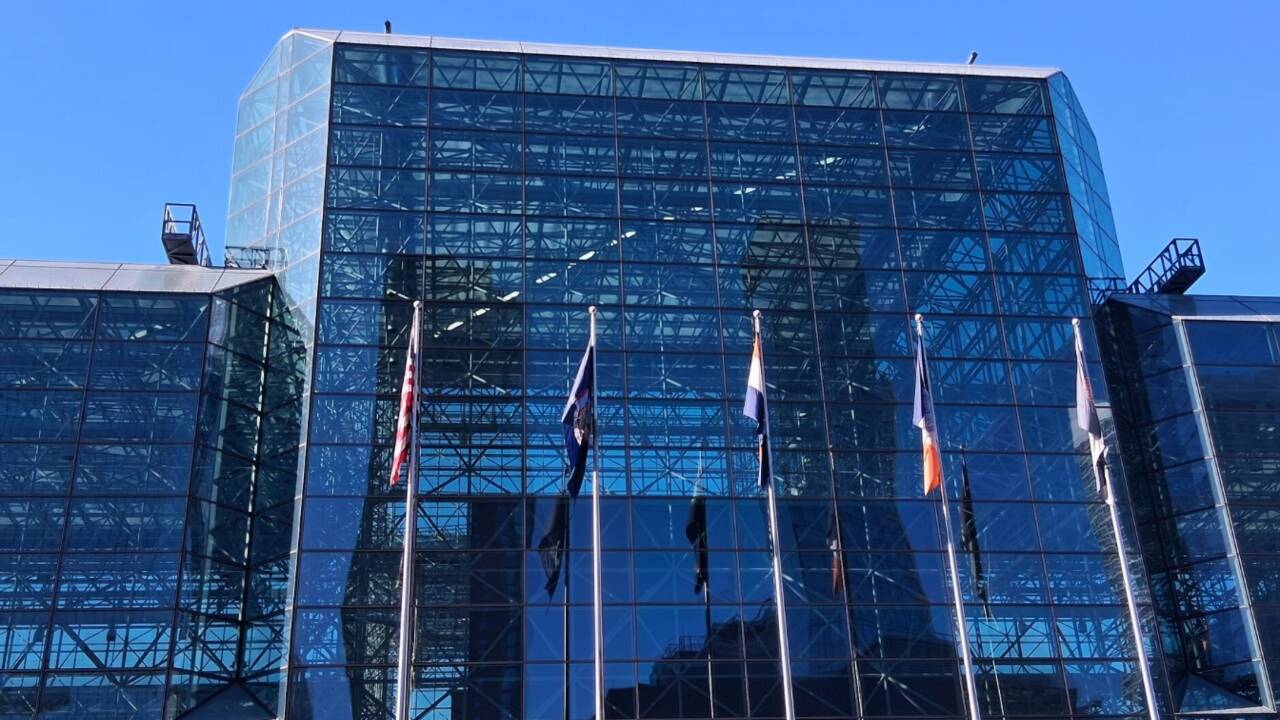
The Jacob K. Javits Convention Center in Manhattan was once one of New York's most dangerous buildings for birds. Its large glass facade reflected the sky and surrounding vegetation, making the building difficult for migrating birds to see as an obstacle. During the centre's major renovation, completed in the early 2010s, thousands of glass panels were replaced with low-reflection, fritted glass that makes the surface more visible to birds. At the same time, the project added a 6.75-acre green roof, creating a stretch of vegetation high above Manhattan. Monitoring by the NYC Bird Alliance , formerly known as NYC Audubon, found that bird-building collisions at the centre fell by more than 90% after the glass was changed. The roof then became a stopover where migrating birds could feed and rest.
Get breaking news anytime, anywhere. Download the TOI app now!
The two changes solved different problems. The glass was meant to keep birds from hitting the building, while the roof gave them somewhere to use in a city dominated by concrete, roads and tall buildings. The green roof was planted mainly with sedum and other low-growing vegetation, creating habitat unlike the hard surfaces around it. When biologists began monitoring the roof in 2014, they were not simply checking whether birds visited. They were building a long-term record of which species used the new habitat and how use changed over time.
How a glass building became safer for birds
Before the renovation, the Javits Center was a major collision hotspot. Birds moving through Manhattan during migration could see reflections of trees and sky in the facade and fly toward what appeared to be open space. The renovated building used patterned and less reflective glass instead. The Javits Center's sustainability information says more than 6,000 bird-friendly glass panels were installed and that bird collisions fell by more than 90% after the work.
The change did not require removing the building's glass facade altogether. Instead, the new panels incorporated a frit pattern that helped make the surface visible to birds. That approach later became an important example in New York's push for bird-friendly building design. The centre became a case study for how a large glass building could remain useful and visually open while reducing a major danger to migrating birds. The green roof added another part to the story. It turned the top of the convention centre into a patchwork of plants where birds could find insects, shelter and rest. As monitoring continued, the list of recorded species grew.
How the green roof became a stopover for birds
Over the years, the roof became more than an experiment in urban landscaping. Birds began using it as a stopover habitat during migration, while resident species also appeared. Monitoring included visual surveys, acoustic recordings and camera traps, allowing researchers to track wildlife that might otherwise have gone unnoticed. By February 2023, NYC Bird Alliance had recorded 51 bird species on the Javits Center’s network of green roofs. Its current project information lists a cumulative total of 65 bird species, along with five bat species and representatives of 18 arthropod orders. The organisation’s records also include native bees, butterflies and other insects.
What it can do is offer a small patch of habitat where wildlife can find food and shelter while moving through one of the country's most built-up areas. The researchers have also found signs of interactions between species living there. Their monitoring has included bats feeding on moths, while birds use the vegetation and insects around it. The roof has become a small urban food web, not just a decorative garden.
The project also showed why bird-safe glass and green roofs are effective together. Preventing collisions reduces the danger created by the building itself, while the roof gives birds a place to land after they have crossed the city. Neither change solves the wider problem of habitat loss or the many hazards birds face during migration, but together they changed what had once been a particularly hostile part of Manhattan.
More than a decade after the renovation, the Javits Center offers an example of how an existing city building can be redesigned for wildlife without losing its original purpose. The convention centre still hosts huge events below, while above it, birds and other animals use a rooftop that did not exist as habitat before the renovation. What started as an effort to reduce collisions became something larger: a building that is safer for birds and a rooftop habitat that supports wildlife during migration. The Javits Center shows that bird-friendly design can serve two purposes at once. Visible glass patterns reduce the chance of fatal collisions, while vegetation above the building provides food, shelter and resting space. The roof cannot replace larger natural habitats, but it demonstrates how urban infrastructure can be redesigned to make room for wildlife.