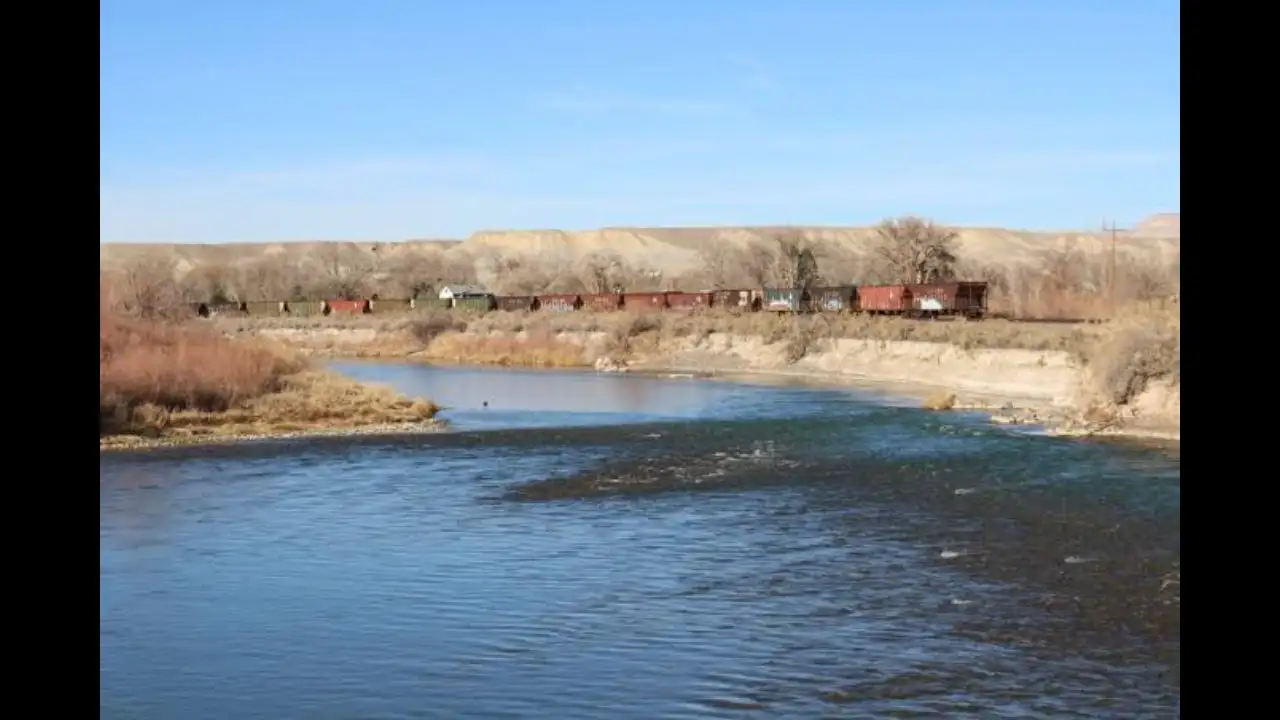
In western Colorado, selenium had become one of the Lower Gunnison River's most persistent environmental challenges. The naturally occurring element is found in the region's shale-rich soils, where irrigation water can dissolve it and carry it into drains, streams and eventually the river. Recognising agriculture as a major pathway for contamination, Colorado and federal agencies began investing in irrigation improvements and better water management across the basin.
Over the following decade, those efforts gradually changed the river's condition. USGS monitoring found that dissolved selenium loads at Whitewater declined from about 22,400 pounds in 1986 to roughly 12,100 pounds in 2019, representing a reduction of about 46%. Scientists say the improvement reflects both long-term management work and changing hydrological conditions, with irrigation infrastructure playing an important role in reducing selenium transport.