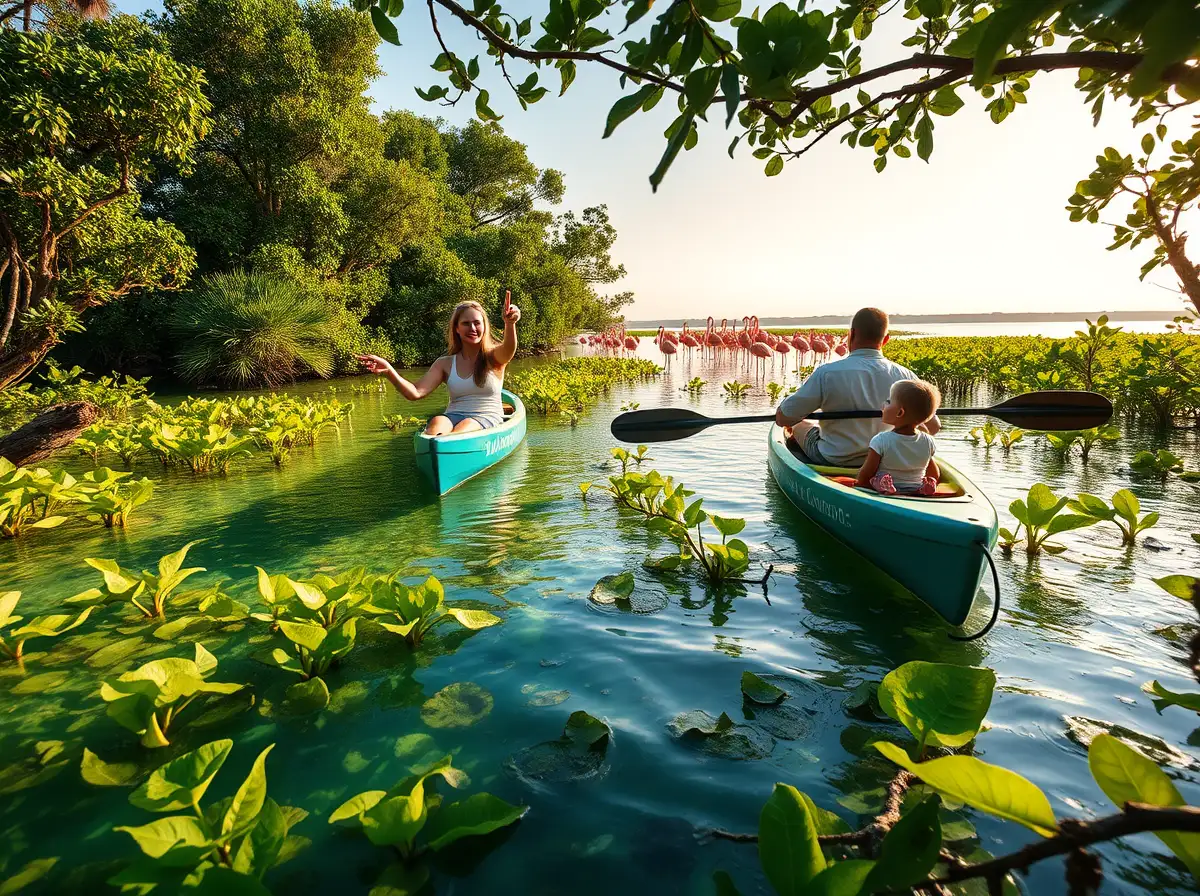
What was once farmland in Florida has become a striking example of how coastal habitat restoration can benefit wildlife, communities and local economies at the same time. In 2003, Manatee County acquired 482 acres of farmland that had been slated for development and began transforming the property into what would become Robinson Preserve. Five years later, the first phase of restoration was completed and the preserve opened to the public. Today, the broader 700-acre coastal preserve supports wetlands, mangroves, recreational trails and important fish habitat. A recent NOAA Fisheries-supported economic analysis found that the restoration generated $32.7 million in total economic activity and supported 239 jobs, showing that restoring nature can create economic value well beyond environmental benefits.
The story of Robinson Preserve begins with a decision to protect land rather than allow continued development. The original 482-acre property was agricultural land, but Manatee County recognized an opportunity to restore coastal habitat and preserve the site for public use. Restoration work included removing invasive species, planting native vegetation and rebuilding wetland environments. NOAA Fisheries supported the effort through its Community-based Restoration Program, working alongside local and regional partners. The first restoration phase was completed in 2008, when the area opened to visitors. What followed demonstrates the long-term value of conservation: the restored landscape became not only habitat for wildlife but also a destination for people seeking outdoor recreation and connection with nature.