
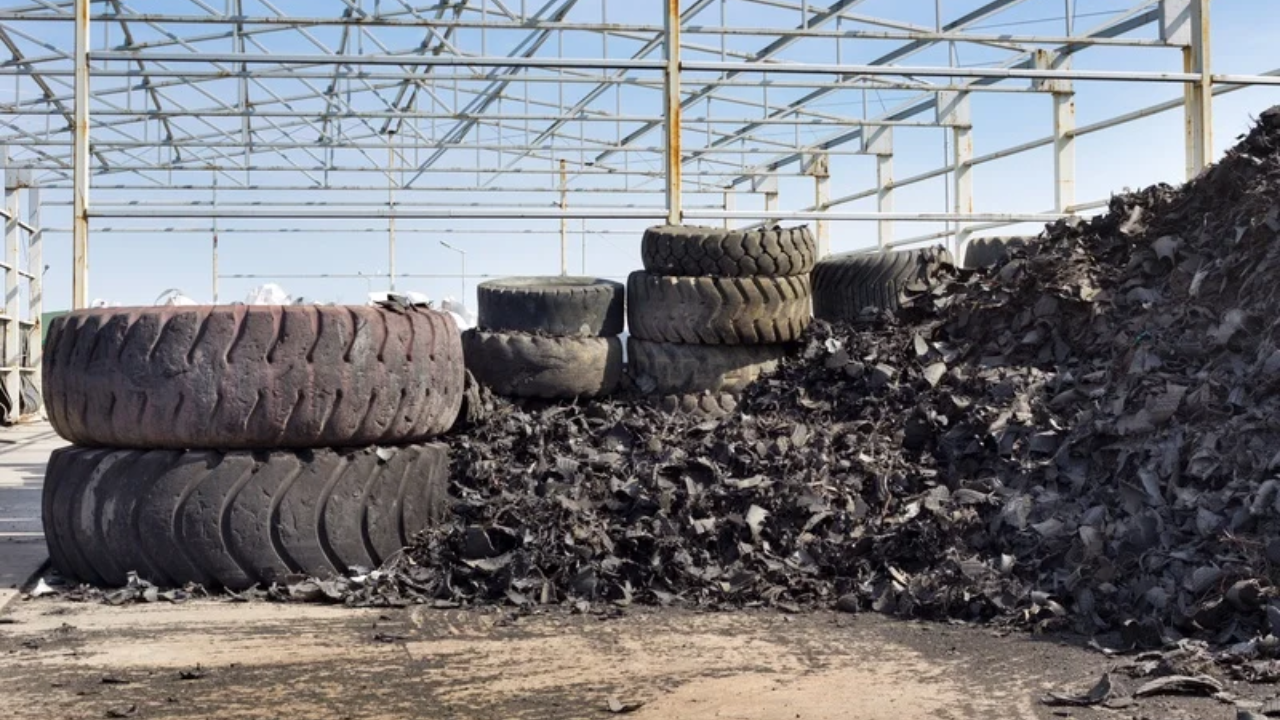
Engineers working to upgrade a busy highway junction near San Francisco in 2000 faced a serious technical problem. The ground was made up of about 30 feet of unstable bay mud, a soft type of soil that could sink or crack under the weight of normal road-building materials. To solve the problem, project planners used an unusual method: they buried 662,700 shredded waste tires directly beneath the new highway on-ramp. The site, at the intersection of Interstate 880 and Dixon Landing Road in Milpitas, needed a raised embankment about 26 feet high, 700 feet long, and 50 feet wide to support a southbound connecting ramp. Using normal earth or rock fill would have placed a huge amount of weight on the soft ground. This could have caused the road to settle over time and forced engineers to wait up to a year for the soil to become stable.
Get breaking news anytime, anywhere. Download the TOI app now!











