
Get all your news in one place.
100's of premium titles.
One app.
Start reading
The Economic Times
The Economic Times
National
Trending Desk

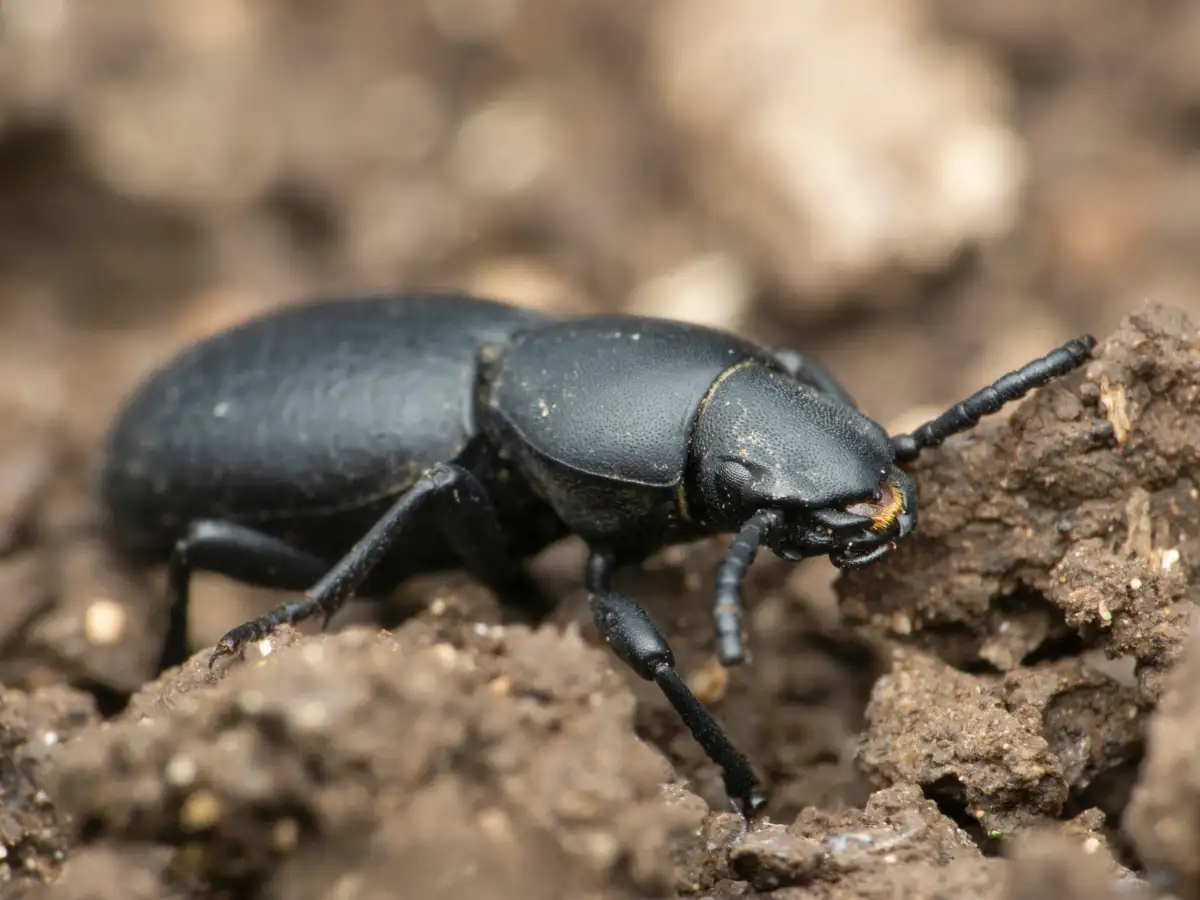
In 1997, NASA sent 64 desert beetles to Russia’s Mir space station with tiny wheels tracking their every movement; their movements helped scientists understand how light regulates biological clocks in microgravity

In May 1997, NASA sent 64 black desert beetles into space aboard the Space Shuttle Atlantis as part of the STS-84 mission. The shuttle docked with the Russian Mir space station, where the beetles were kept in individual chambers equipped with tiny wheels that turned whenever they moved.

The insects spent about 125 days aboard Mir before returning to Earth on a later shuttle mission in September 1997. During that time, scientists on Earth monitored the revolutions of the miniature wheels to study how the beetles’ activity changed in microgravity.

Sign up to read this article
Read news from 100's of titles, curated specifically for you.
Already a member? Sign in here
Related Stories
Top stories on inkl right now
One subscription that gives you access to news from hundreds of sites
Already a member? Sign in here
Our Picks
Fourteen days free
Download the app
One app. One membership.
100+ trusted global sources.







