Taiwan’s transformation from a waste-management crisis into one of the world’s most closely watched recycling success stories offers a powerful lesson about how public policy can change everyday behavior. In the early 1990s, the island faced overflowing garbage, inadequate collection and limited recycling infrastructure. Around 1993, only about 70% of household waste was reportedly being collected, while recycling remained negligible. More than three decades later, Taiwan has built a sophisticated system based on household sorting, producer responsibility, pay-as-you-throw policies and highly organized collection. The result is a recycling culture that has become part of daily life rather than simply an environmental campaign. Taiwan’s official statistics show that its municipal waste recycling rate reached 59.6% in 2024, demonstrating how dramatically the system has evolved.
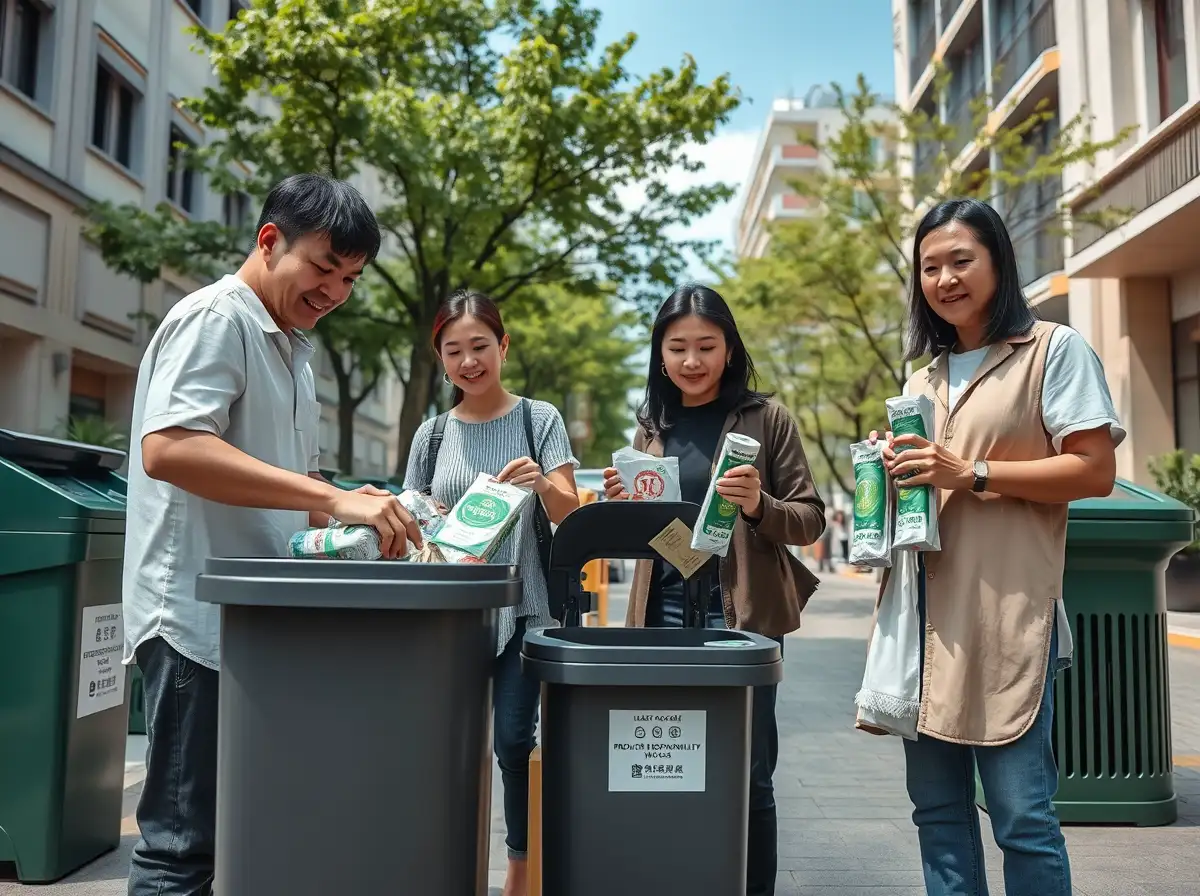
One of the most important changes was making waste disposal a shared responsibility between government and residents. Instead of allowing households to put unlimited amounts of mixed garbage onto the street for collection, Taiwan introduced systems that encouraged people to reduce the amount they threw away. Taipei’s pay-as-you-throw approach requires residents to purchase official garbage bags, meaning that disposing of more ordinary trash costs more. The principle is simple: households have a financial reason to recycle, compost and reduce unnecessary waste before paying to dispose of it. The approach became particularly influential because it connected an environmental goal with an immediate household incentive. Rather than relying entirely on slogans about protecting nature, the system changed the economics of everyday garbage disposal.