Get all your news in one place.
100's of premium titles.
One app.
Start reading
The Times of India
The Times of India
World
TOI World Desk

In 1959, Vermont bought Snake Mountain land but the seller kept timber rights; 67 years later the state plans to secure 949 acres of those rights and add 256 acres

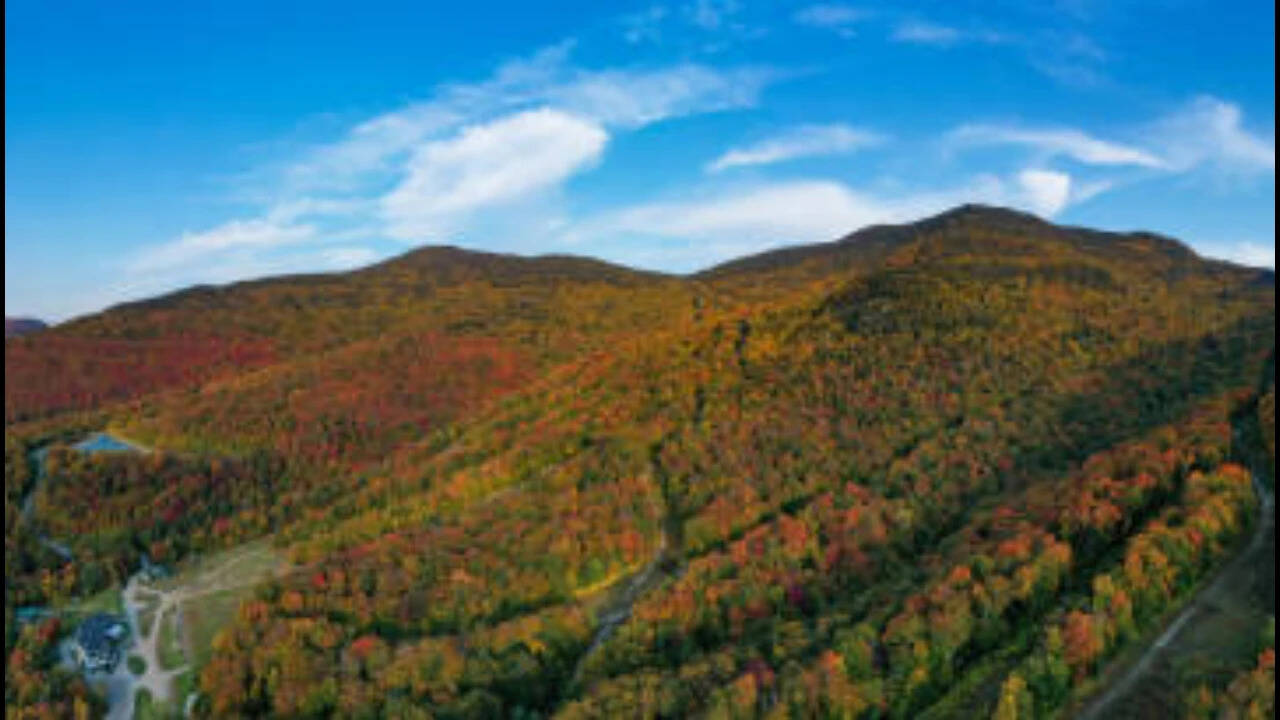
A conservation story that began nearly seven decades ago is entering a new chapter in Vermont. What was once a complicated split between land ownership and timber rights at Snake Mountain is now set to be reunited, potentially giving wildlife, forests and outdoor enthusiasts greater protection for generations to come. According to media reports, with support from the Trust for Public Land, the Vermont Fish & Wildlife Department plans to secure the timber rights covering 949 acres of the Snake Mountain Wildlife Management Area (WMA). The state also plans to acquire an additional 256 acres in Addison and Weybridge, expanding the popular natural area by nearly 25%. It is reported that both transactions are expected to be completed by early 2027.

Get breaking news anytime, anywhere. Download the TOI app now!

A major expansion for Snake Mountain

Located between Addison and Weybridge, Snake Mountain WMA currently encompasses 1,215 acres of forested landscape surrounded largely by farmland. Its proximity to some of Vermont’s largest population centres makes it an especially valuable place for people seeking access to nature. The planned 256-acre addition would expand the protected area while improving habitat connectivity. The project is also expected to create new opportunities for hiking, hunting and wildlife watching. The effort will simultaneously reunite the state’s ownership of the land with the timber rights covering much of the WMA, allowing Vermont Fish & Wildlife to take a more coordinated approach to managing the landscape.

Why timber rights matter

When Vermont purchased the lands that became Snake Mountain WMA in 1959, the seller retained the timber rights. This meant that while the state owned the land for conservation and public access, responsibility for growing, managing and harvesting timber remained with the private owner. Such arrangements have historically been relatively common on Vermont Fish & Wildlife properties. More than six decades later, the state is seeking to bring those interests together. Acquiring the timber rights would allow Vermont Fish & Wildlife to coordinate forestry decisions with its broader goals for wildlife, recreation, water quality and habitat protection. Any future roads or skid trails required for timber harvesting could also be planned alongside conservation priorities.

A haven for wildlife

Snake Mountain is far more than a scenic hiking destination. The WMA contains eight types of wetlands, including a glacial bog estimated to be about 9,500 years old. Its forests and wetlands provide habitat for a remarkable range of species. Peregrine falcons nest on the mountain’s western cliffs, while mature trees provide roosting habitat for federally endangered Indiana bats and northern long-eared bats. The landscape also supports woodland mammals, game birds, songbirds, amphibians and other wildlife. Protecting and connecting these habitats could become increasingly important as environmental conditions change.

Building climate resilience

Conservation groups say the expanded and reunified property could play an important role in climate resilience. The larger protected landscape would provide additional lowland forest habitat while helping safeguard wetlands and headwater streams. These interconnected natural areas can serve as important refuges for biodiversity and help species adapt as the climate changes. For a forested landscape surrounded by farmland, strengthening those connections could be particularly valuable.

How the project is being funded

The timber rights and additional acreage are being purchased from The A. Johnson Co., LLC, with funding assembled from local, state, federal and private sources. The project includes a $1.35 million grant from the US Fish & Wildlife Service’s Recovery Land Acquisition Grant programme, funded through the Land and Water Conservation Fund. It also includes $417,500 from the Vermont Housing & Conservation Board, support from the Town of Weybridge Conservation Fund and significant private donations. The availability of federal funding is linked largely to the habitat provided by Snake Mountain for endangered bat species.

A long history of conservation

The A. Johnson Co. has managed the timber rights at Snake Mountain for decades. The company has maintained that responsible forestry can coexist with wildlife habitat, recreation and healthy natural communities. The planned transfer marks an opportunity to bring those long-standing conservation and forestry interests under unified management. Vermont Fish & Wildlife officials say the agency is particularly appreciative of the stewardship that helped maintain the quality of the landscape over the past several decades.

Sign up to read this article
Read news from 100's of titles, curated specifically for you.
Already a member? Sign in here
Related Stories
Top stories on inkl right now
One subscription that gives you access to news from hundreds of sites
Already a member? Sign in here
Our Picks
Fourteen days free
Download the app
One app. One membership.
100+ trusted global sources.