Somewhere in the National Archives lies draft number 66 of a bill that most Americans have never read, yet its language quietly preserves the very landscapes that define the American wilderness today. The person who drafted all these 66 bills did not get the chance to see it turned into law. He missed out on it by just four months.
Get breaking news anytime, anywhere. Download the TOI app now!

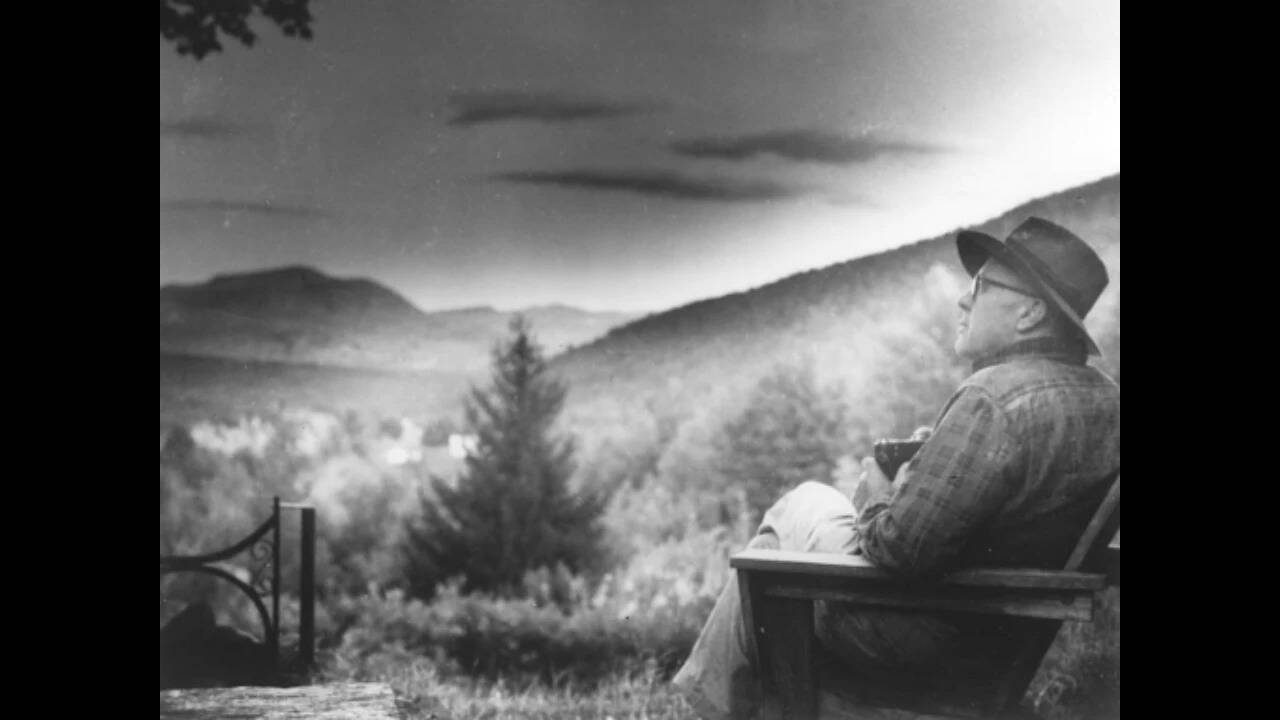
This man was Howard Zahniser, and if you have ever visited national forests, you are benefiting from the legal framework he helped shape. According to The Wilderness Society , Zahniser completed the first draft of the bill that became the Wilderness Act in May 1956, then he spent the next eight years rewriting it 66 times and appearing at 18 different congressional hearings to ensure that it survived. He died of heart failure in May 1964. The Wilderness Act was signed into law by President Lyndon B. Johnson in September of that year, four months too late for Zahniser.
A word nobody could agree on
Before Zahniser, there was no legal definition of "wilderness" in America. Congress could log it, dam it, or pave it, as long as the multiple-use politics demanded it. Zahniser's solution, which was quite poetic for a legal document, was to define wilderness as land "where man himself is a visitor who does not remain," a line which survived all 66 drafts practically unscathed, as reported by The Wilderness Society.
It was one sentence, but it was enough to become the philosophical core of the National Wilderness Preservation System. However, this sentence angered many people. Timber, mining, and grazing interests, as well as the National Park Service and Forest Service, opposed the bill for years because they feared loss of their control over "their" land, as described in a 2014 University of Washington Press article based on the biography of Zahniser written by historian Mark Harvey.
The fine print millennials should actually care about
Opposition to the bill didn't disappear once Zahniser's language was finalized. In 1960, Congress had passed the Multiple Use, Sustained Yield Act, which some historians describe as a preemptive move by agencies to lock in resource-extraction rights before a wilderness bill could restrict them. Zahniser didn't treat it as a dead end; he spent the next four years continuing to revise his bill and testify before Congress until it passed anyway.
When the act was finally signed, 9.1 million acres across 13 different states were put into protection immediately. The legislation banned roads, motorized vehicles, and commercial activities in those areas, and this information comes from a report by the Congressional Research Service published via Congress.gov. Since then, the network has expanded to over 112 million acres, still under the 1964 law.
Why this still matters in 2026
It's easy to mistake this story for a clean success solely traceable to one man's sentence. The reality is far more complex, and it's still worth sitting with the cost behind it: Zahniser spent nearly a decade fighting agencies that wanted his language gutted, watched Congress pass legislation that worked against his goals, and died four months before he got to see any of it signed. The 66 versions drafted by Zahniser show how carefully the wilderness system was written into law. It was protected with painstaking words through legislation by a man who did not get the time to enjoy the fruits of his labor. The fight over wilderness designation continues to this day