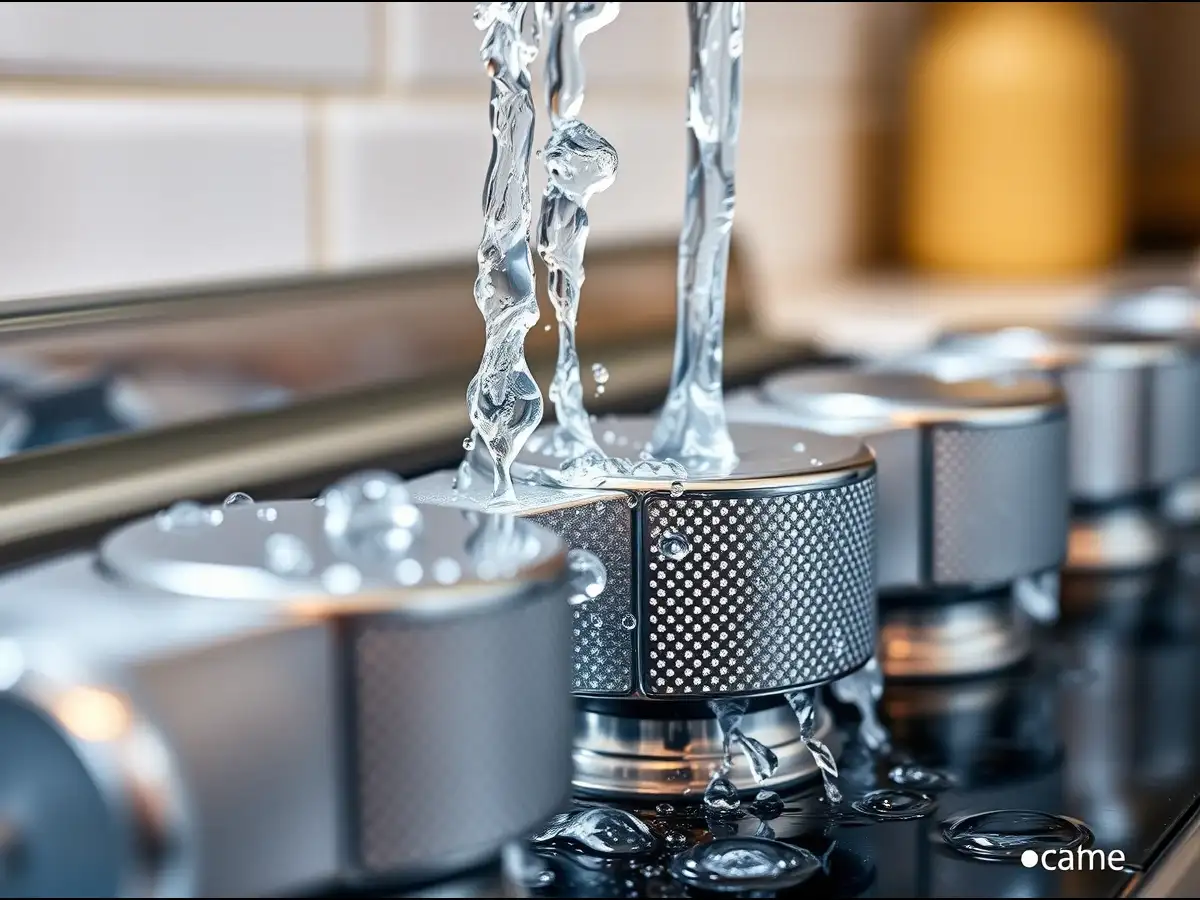
The knobs of our ovens are perhaps one of the most frequently touched surfaces in the kitchen, and the sticky buildup and residue on them often go unnoticed. As a home-cooked dinner sits on the stove, grease splatters and hands dusted with flour touch the same small spot. With the passage of time, the accumulation of cooking oil, grime, and bacteria makes the controls dull, hard to grip, and difficult to read. How can you safely lift away that stubborn, sticky residue without scrubbing off the temperature markings? How do you prevent moisture from damaging the appliance inside?
Daily cooking often creates a constant mess, and oven knobs accumulate grease and grime unnoticed, but restoring them requires the right technique to avoid permanent damage. Harsh chemicals, rough tools, and extra water can easily ruin finishes or erase essential indicator lines. A consistent cleaning routine can always ensure that these daily controls can be cleaned safely and simply.
Why is it important to remove knobs for deep cleaning
For deep and thorough cleaning, oven knobs are often required to be taken off the stove, allowing for a much more thorough cleaning process and exposing hidden grime underneath.
"Oven knobs should be removed to properly clean the oven and stove," Britney Lancaster, a professional Tasker on Taskrabbit and a cleaning and organizing expert with years of pro experience, told online platform Martha Stewart. "Just make sure everything is turned off, and then turn the knobs in the opposite direction to safely remove them."
Before you move ahead with the cleaning, it's necessary to double-check that every burner and the oven are completely turned off and cooled down.
Step-by-Step Method
Once the knobs are off the appliance, a simple three-step process will break down sticky grease without causing surface wear.
Soak in soapy water: Place the knobs in a bowl of warm, soapy water. This will ensure that the grease and residue get loosened up without requiring aggressive scrubbing. According to Lancaster, a mild dish soap is required to carry out the cleaning.
Wipe Gently: The next step is using a soft cloth or a non-abrasive sponge to wipe away loosened grime. As you clean the knobs, pay extra attention to edges and small crevices. A soft-bristled brush, such as an old toothbrush, can safely lift debris from tiny details.
Rinse and Dry Thoroughly: The final step in the process is to rinse each and every part under clean water to remove soap residue. Ensure that each and every part is dried completely with the help of a soft cloth before putting it back. Reinstalling damp knobs can cause internal moisture issues inside the appliance. Align each piece correctly before snapping it back into place.