Long before NASA sent spacecraft to Saturn, Annie Easley was solving the difficult problems that made ambitious space missions possible. She joined the National Advisory Committee for Aeronautics (NACA), the agency that later became NASA, in 1955. At a time when very few African American women worked in science or engineering, she built a career through skill, determination, and hard work.
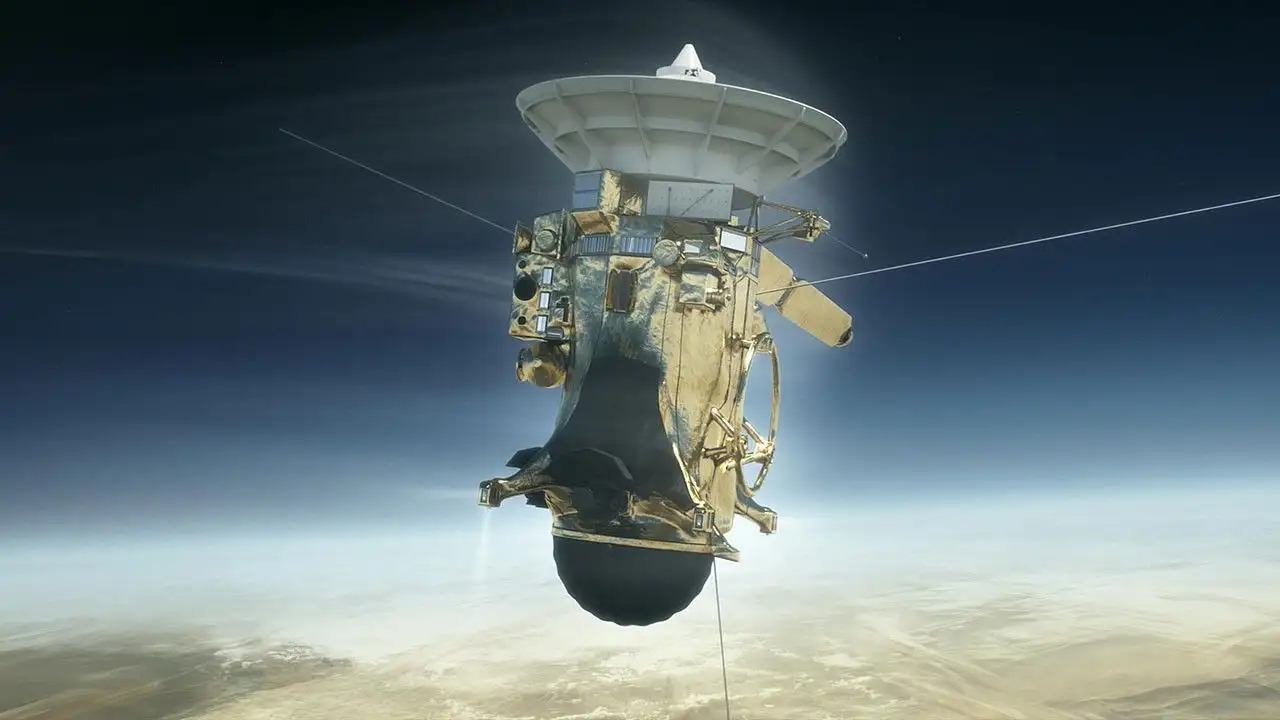
Easley began as a mathematician, often called a "human computer." As technology changed, she taught herself computer programming and adapted to a new era of space research. She worked on complex calculations for rocket systems, energy projects, and flight technology. Her software and analytical work supported research that later contributed to missions such as Cassini, the spacecraft that transformed our understanding of Saturn and its moons.