Get all your news in one place.
100's of premium titles.
One app.
Start reading
The Times of India
The Times of India
World
TOI World Desk

In 1952, Canada began spraying forests from aeroplanes to control budworms; decades later, pesticide research changed how forests were managed

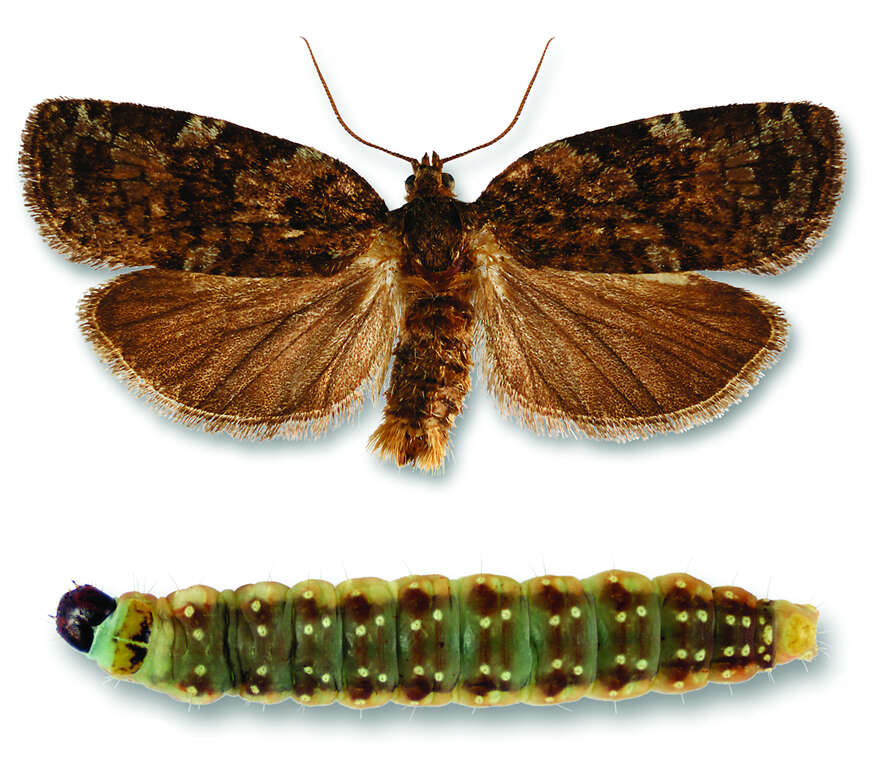
Forests are often seen as untouched by human decision-making. According to The Natural Resources Canada article , spruce budworm outbreaks have been one of the most significant challenges for forest managers in Canada because the insects feed on fir and spruce trees, causing widespread damage during outbreaks.

Get breaking news anytime, anywhere. Download the TOI app now!

The Natural Resources Canada article explains how pesticide use developed in New Brunswick, why it was used and how changing scientific knowledge altered forest management. According to the Natural Resources Canada article, aerial spraying was used extensively in New Brunswick to manage spruce budworm outbreaks, with pesticide applications carried out over large forest areas between 1952 and 1993. The article notes that growing scientific understanding of pesticide impacts led to changes in regulations and influenced how forest management practices evolved.

Why Canada resorted to aerial spraying for the spruce budworm

New Brunswick’s forests were central to the spruce budworm management efforts described in the Natural Resources Canada article on historical pesticide use. The province used aerial pesticide spraying to respond to insect outbreaks that threatened its forests. Natural Resources Canada notes that spruce budworm outbreaks affected extensive areas of spruce and fir forests in New Brunswick, prompting aerial pesticide spraying programmes as a management response. The outbreaks were a problem because damaged trees could reduce productivity.

To respond to these outbreaks, forest managers used pesticides to reduce spruce budworm populations. Beginning in the 1950s, aircraft were used to spray large forest areas because they could cover wide regions quickly.

According to Natural Resources Canada, aerial pesticide spraying was used as a management tool during spruce budworm outbreaks in New Brunswick, as authorities sought to reduce insect populations and protect affected forests. Pesticides became a major part of forest management programmes because they offered a fast response when insect populations increased.

According to Natural Resources Canada, pesticides were used in Canadian forests to control insect pests from 1945 onwards, and DDT was among the insecticides applied during large-scale forest management programmes to control eastern spruce budworm outbreaks in New Brunswick. It was widely used in pest control programmes because it was effective against insects and remained active for long periods. However, as more research became available, scientists and environmental authorities better understood the wider effects of persistent chemicals in the environment. New Brunswick’s pesticide history shows how forest management strategies changed as new information emerged.

Impact of evolving knowledge on forest management

The Natural Resources Canada article says forest pesticide use depended heavily on the science available at the time. As concerns about some chemicals grew, forest managers began exploring alternative strategies.

According to Natural Resources Canada, evolving scientific knowledge about pesticide impacts changed how forest pest management was approached. Managing one species can have wider effects that are not immediately obvious.

Natural Resources Canada says changing scientific knowledge about pesticide use influenced forest management practices. Instead of relying only on broad pesticide applications, forest managers increasingly considered other methods and used scientific evidence to guide decisions.

The article says pesticide regulations and management practices changed as researchers learned more about environmental impacts. These changes show that conservation and forestry practices continue to evolve.

Spruce budworm infestations occur naturally in forests, but when populations grow, they can become a problem for people who depend on the forest for their livelihoods.

Lessons learned in Canada’s forests

New Brunswick’s spruce budworm history highlights the challenge of balancing environmental protection with human needs. Protecting forests also means considering the wider environment.

Natural Resources Canada explains that aerial pesticide spraying was used in New Brunswick to manage spruce budworm outbreaks during a period when chemical treatments were widely used in forest protection programmes. Over time, improved scientific understanding changed how those decisions were made and led to more careful approaches.

Canada’s experience with historical pesticide use suggests that protecting forests involves more than controlling one threat. It requires understanding how trees, insects, wildlife and human activity are connected.

New Brunswick’s forests still show the tension between protection and caution. Natural Resources Canada notes that increased scientific understanding of pesticide impacts has changed forest pest management practices.

Sign up to read this article
Read news from 100's of titles, curated specifically for you.
Already a member? Sign in here
Related Stories
Top stories on inkl right now
One subscription that gives you access to news from hundreds of sites
Already a member? Sign in here
Our Picks
Fourteen days free
Download the app
One app. One membership.
100+ trusted global sources.