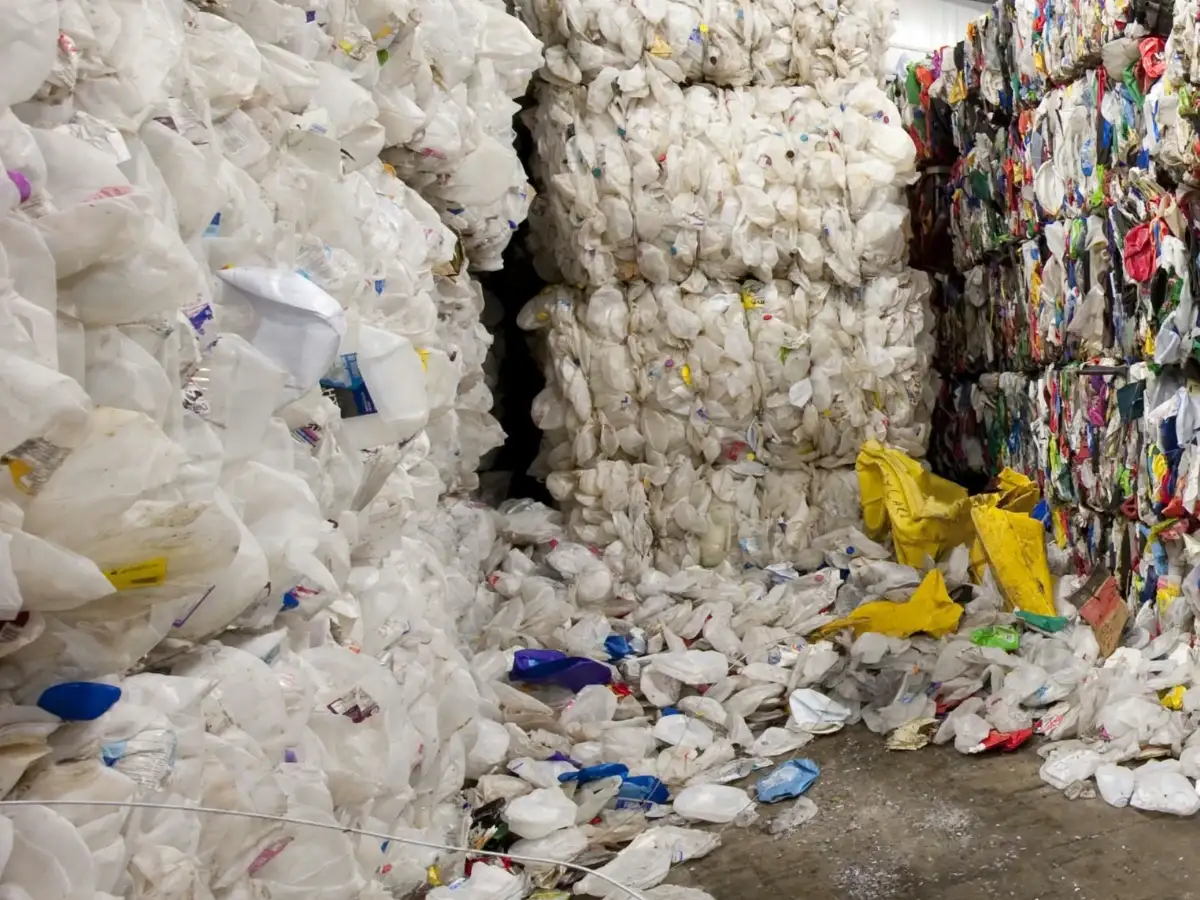
It's 1951 in a nondescript laboratory in Bartlesville, Oklahoma. Chemist Robert Banks and his colleague Paul Hogan are trying to extract more octane from petroleum than their predecessors did. Instead, a flask of propylene gas has mysteriously transformed into a white, toffee-like consistency. The National Inventors Hall of Fame credits the pair with inventing crystalline polypropylene and a breakthrough low-pressure process for high-density polyethylene (HDPE) — substances that revolutionized the plastics industry because they were stronger and more heat-resistant than existing materials.
An underwhelming discovery that took decades to pay off