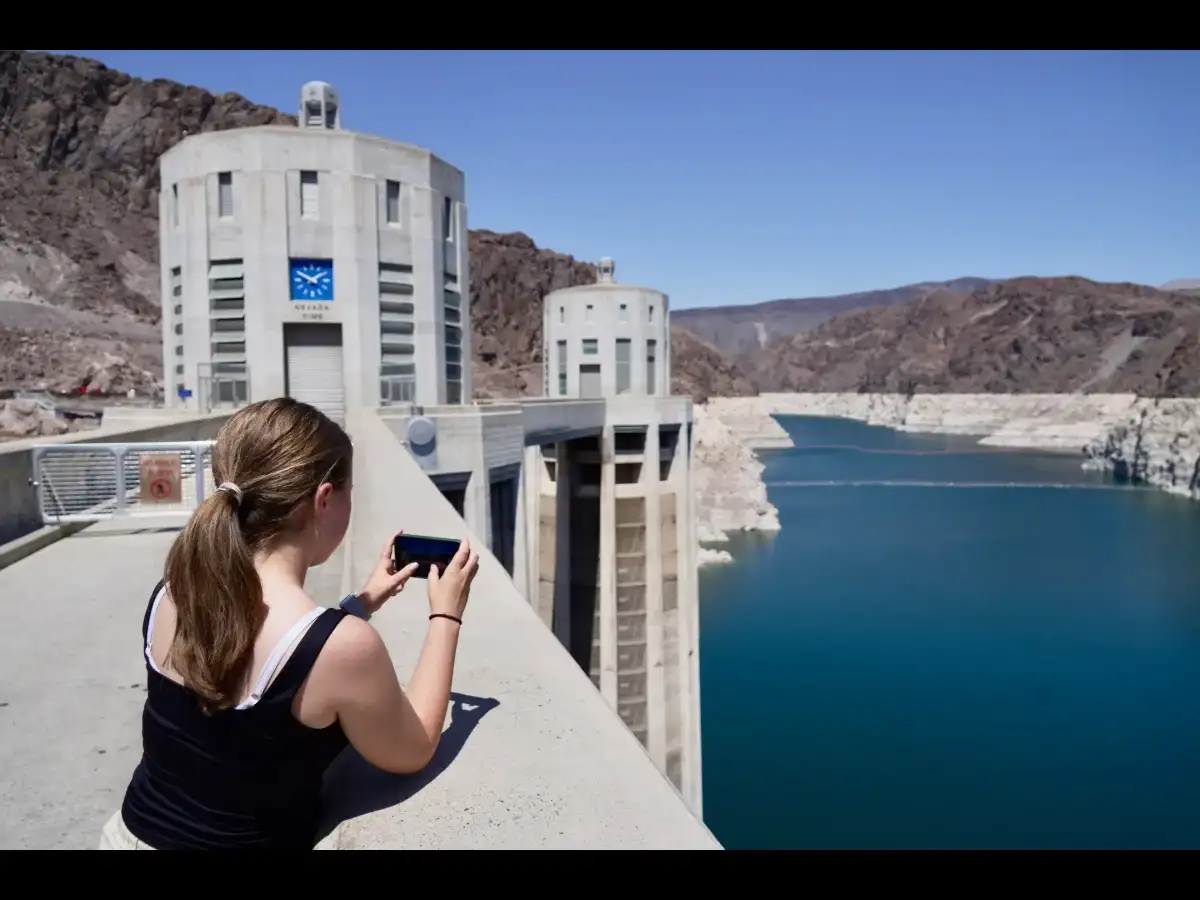
Hoover Dam on the Colorado River at the Arizona-Nevada border has been a symbol of American fortitude and technological prowess. President Franklin D. Roosevelt commissioned it during his tenure in 1935. Back then it was known as Boulder Dam. For most of the 20th century, water use stayed well below what the Colorado River system carried. Dams such as Hoover dam and subsequently Glen Canyon dam in 1964 created Lakes Mead and Powell — below and above the Grand Canyon — generating hydropower and functioning together as one giant reservoir.
However, situation has turned bad to worse as the two largest reservoirs in the United States have fallen to record lows as a severe drought grips the country's West, according to reports by Reuters and other news outlets.