
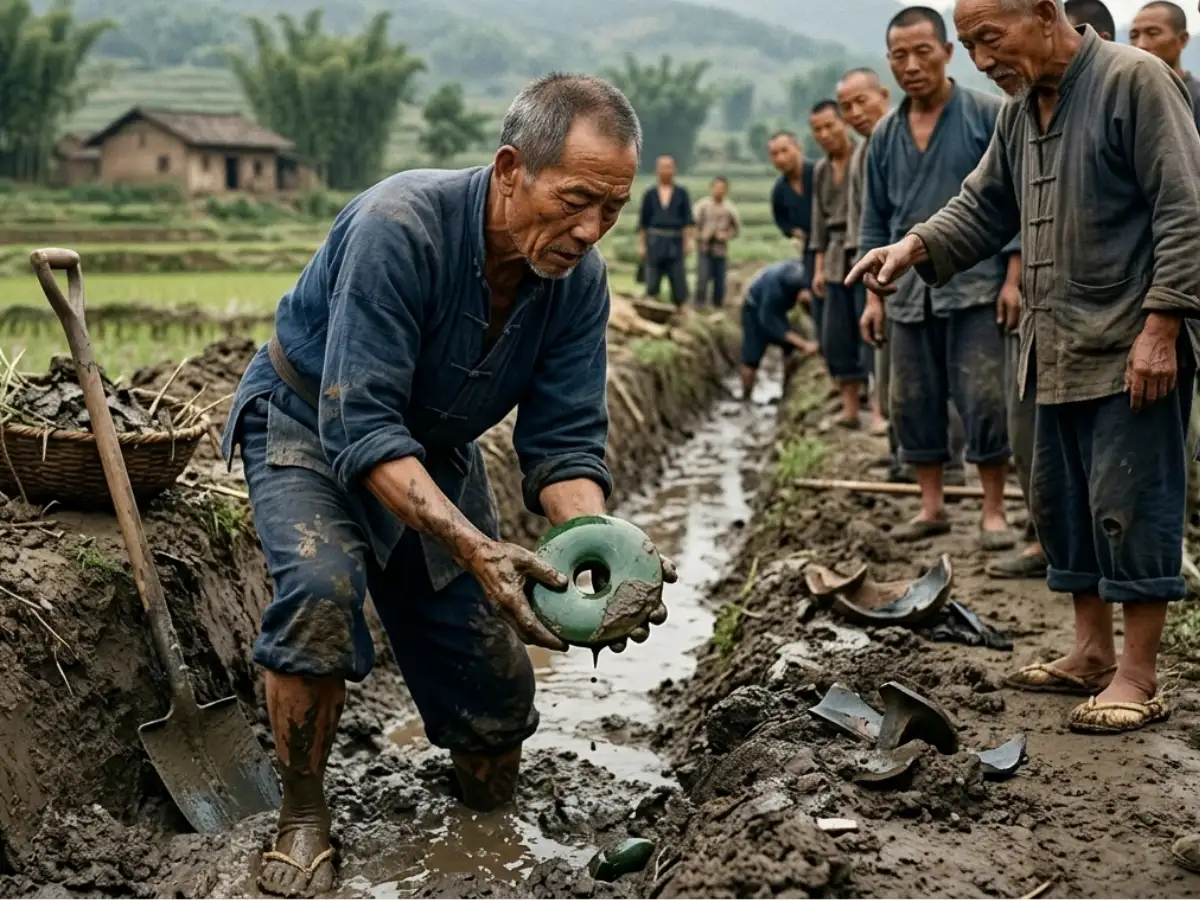
The groundbreaking discovery, which would ultimately revolutionize the historians' perspective on ancient China, did not occur in the course of digging through an imperial burial ground or an iconic landmark. Rather, it occurred in the mud.
In 1929, a farmer excavating a ditch for irrigation purposes in Sichuan Province unearthed jade items, buried in the earth. While such items appeared interesting enough to those who found them at that time, no one could have imagined how these pieces were going to lead archaeologists to one of the most astounding archaeological discoveries in the region: Sanxingdui.














