
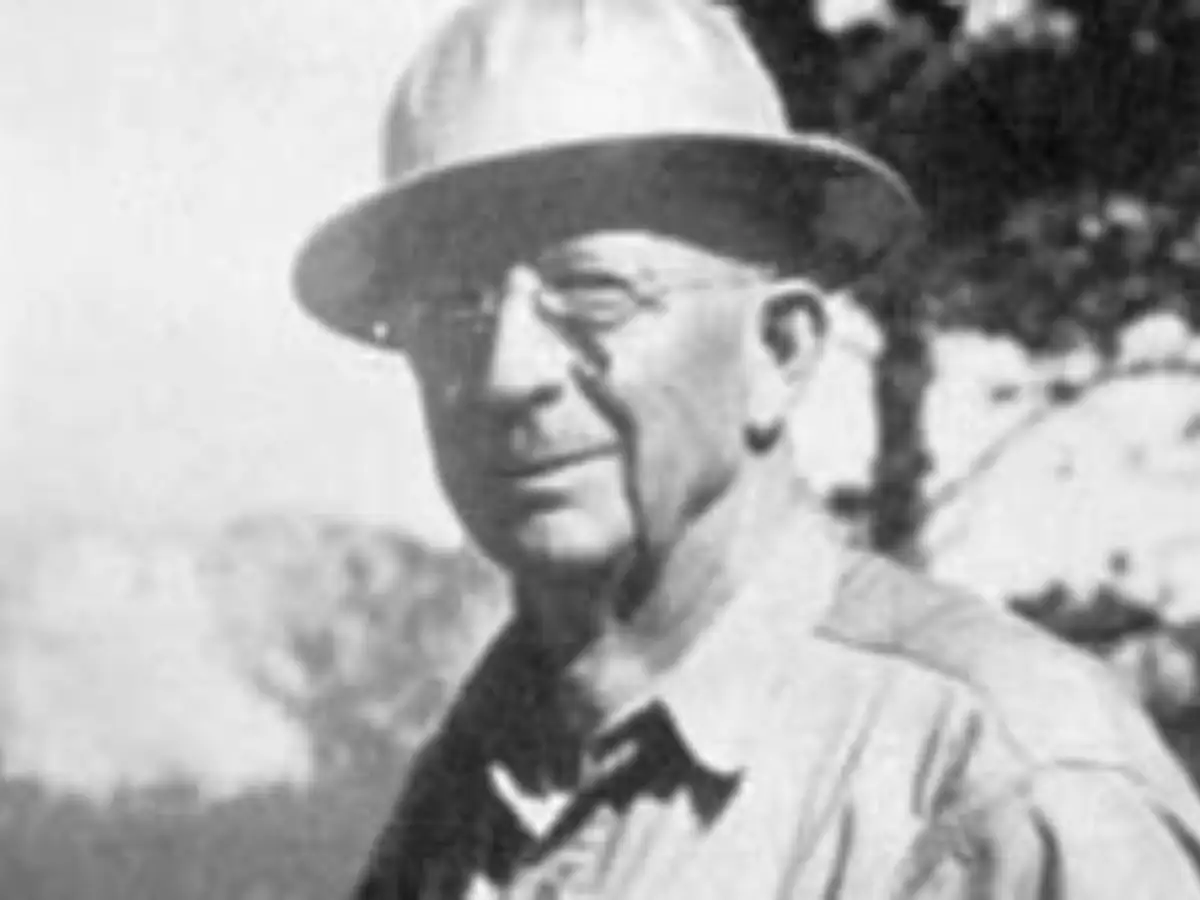
In 1923, geologist J. Harlen Bretz proposed an explanation for one of the strangest landscapes in the Pacific Northwest: enormous floods during the last Ice Age had carved much of eastern Washington.
His idea challenged the prevailing view of how landscapes were formed. Bretz argued that the unusual channels, dry waterfalls and exposed basalt of the region's Channeled Scablands could not have been produced by ordinary rivers slowly eroding the land. Instead, he believed they were the result of an enormous flood.















