Get all your news in one place.
100's of premium titles.
One app.
Start reading
The Economic Times
The Economic Times
Team Global

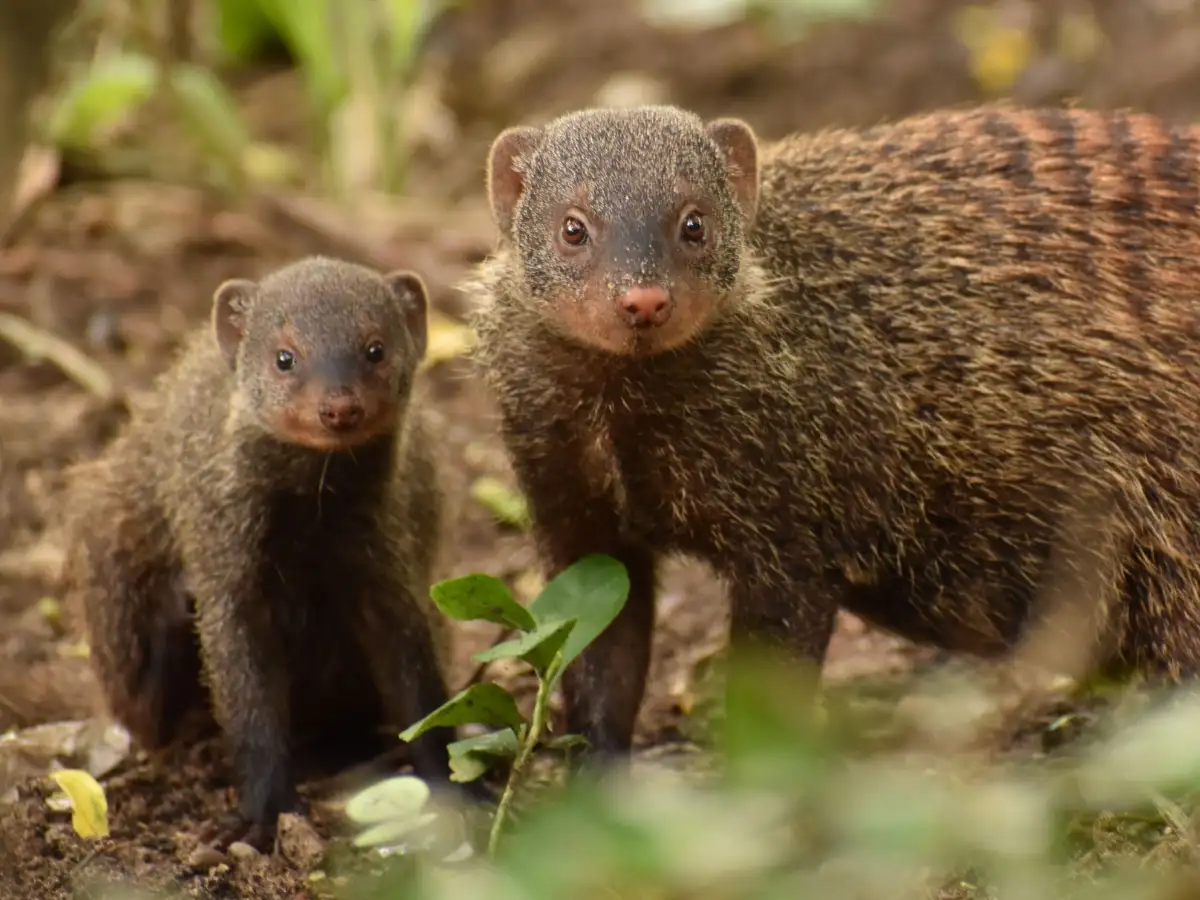
In 1872, a Jamaican planter imported nine mongooses to kill rats in his sugarcane fields; the predators then turned on native birds and reptiles

Jamaica’s sugar profits were being nibbled away by rats, so one planter imported a small predator to fix the problem. And it worked, for a while. Then everything else started disappearing too. According to a 2023 study by historian Matthew Holmes, published in the British Journal for the History of Science, this 19th-century experiment is one of the clearest early warnings about what happens when humans move a predator to a place it’s never lived.

A rat problem that seemed easy to fix
In the 1800s, Jamaica’s colonial economy was built on sugarcane, and rats were destroying huge sections of every harvest. In 1872, William Bancroft Espeut, a Jamaican planter, imported nine little Indian mongooses, a weasel-like carnivore native to South Asia, to his plantation, hoping that they would eat the rats and save the crop. According to this same research by Holmes titled ‘A plague of weasels and ticks: animal introduction, ecological disaster, and the balance of nature in Jamaica, 1870–1900,’ the idea caught on quickly, and mongooses were soon being introduced across Jamaica and then other Caribbean islands with the same goal.

At first it looked like a success. Mongooses hunt by day, unlike the mostly nocturnal rats, so they filled a gap no native predator had filled. Rat damage on many plantations dropped, and planters elsewhere asked for mongooses of their own.

Sign up to read this article
Read news from 100's of titles, curated specifically for you.
Already a member? Sign in here
Related Stories
Top stories on inkl right now
One subscription that gives you access to news from hundreds of sites
Already a member? Sign in here
Our Picks
Fourteen days free
Download the app
One app. One membership.
100+ trusted global sources.