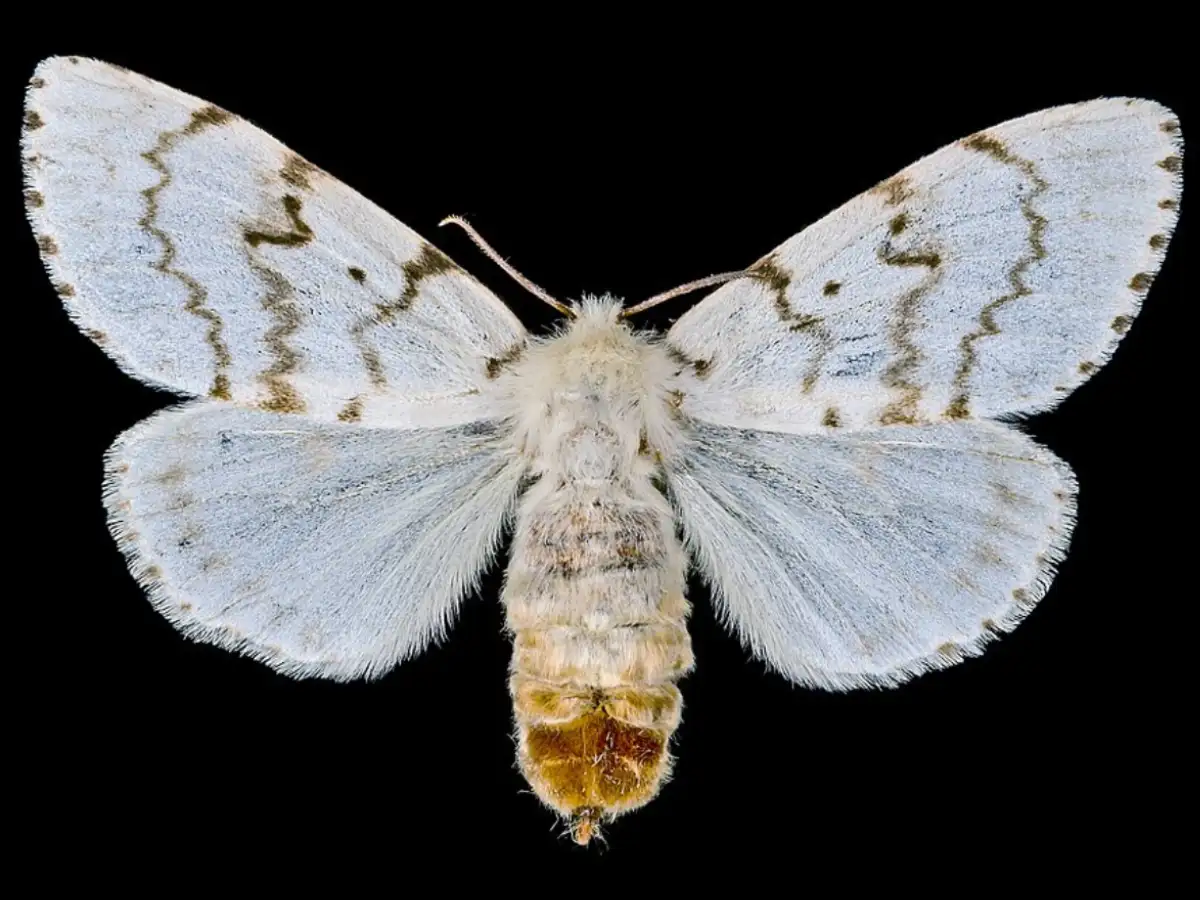
In 1869, an amateur entomologist named Étienne Léopold Trouvelot was breeding moths behind his home in Medford, Massachusetts, hoping to build a hardier silk-producing insect for a struggling American silk trade. A handful of his moths escaped. According to the USDA Forest Service's official spongy moth fact sheet, that one backyard escape is why this insect has since defoliated more than 95 million acres of American forest between 1920 and 2020.
Meet the man who tried to out-engineer the silk industry
Trouvelot had moved from France to Massachusetts, where he worked as a painter and passionate amateur scientist. He imported spongy moth egg masses, then known as gypsy moths, from Europe because he wanted to crossbreed them with silk-producing moths and create a hybrid tough enough to survive American conditions without succumbing to the diseases devastating silkworm stock in Europe, the Smithsonian Institution reported. By his own count, he was raising well over a million caterpillars in cages behind his house at one point.
According to the USDA Forest Service, several moths escaped his property in 1868 or 1869. Trouvelot did not cover it up; he told local entomologists what had happened. Nobody acted on the warning. Massachusetts didn't launch an eradication campaign until 1890, more than two decades later, and that effort failed.